Networks & InfrastructureAmazon LeoUla VulcanSatellite LaunchesLaunch Vehicle Supply
ULA Vulcan failure puts half of Amazon Leo manifest at risk
The Vulcan Centaur KV-01 mishap destroyed 40 Amazon Leo satellites and put 37 ULA, 21 Arianespace, 13 Falcon 9 and 12 Blue Origin launches in doubt ahead of a 2029 deadline.
 Networks & Infrastructure
Why it matters
- Vulcan Centaur KV-01 suffered a mishap on November 15, 2026, destroying 40 Amazon Leo satellites; the FAA is overseeing ULA's investigation and will approve the final report.
- Amazon Leo has 37 booked ULA launches remaining (possibly 38), 21 Arianespace launches, 13 SpaceX Falcon 9 launches and at least 12 Blue Origin launches.
- Amazon must deploy all 3,232 first-generation satellites by July 30, 2029, and fewer than 400 are currently in orbit.
- The Vulcan first stage uses two Blue Origin BE-4 methane engines, New Glenn uses seven, and New Glenn has been grounded since a May 2026 static-fire explosion traced to a BE-4 main oxidizer valve.
- Rocket Lab has booked 16 missions for its uncrewed Neutron medium-lift rocket at $70 million per launch, with first flight expected in Q2 2027.
The story
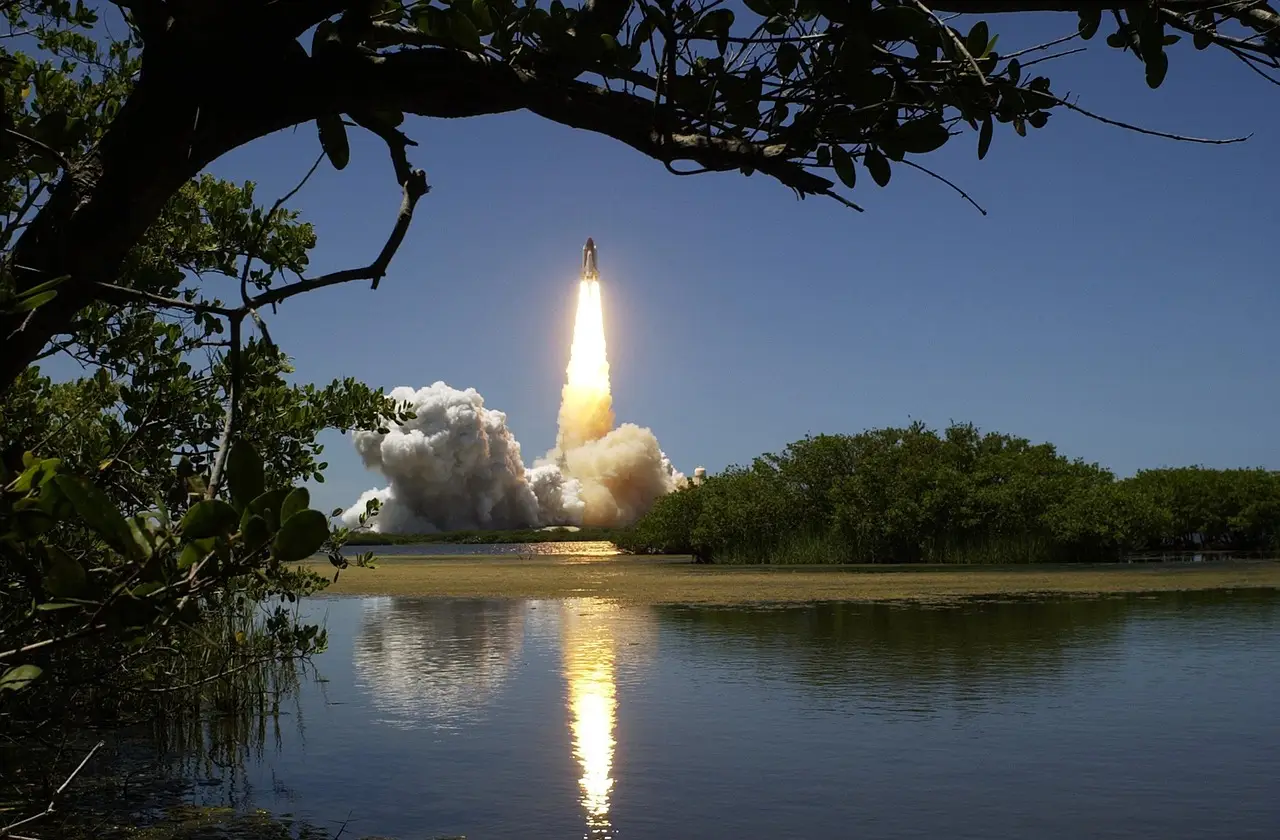
United Launch Alliance's Vulcan Centaur KV-01 mission failed on November 15, 2026, destroying 40 Amazon Leo satellites and placing close to half of the constellation's remaining launch manifest at risk. The Federal Aviation Administration is overseeing the mishap investigation, and no firm cause has been established. The loss of those satellites, however, was not the most severe consequence.
The FAA said: "The FAA is aware that the United Launch Alliance (ULA) Vulcan Centaur KV-01 mission experienced a mishap on Sunday, Nov. 15. The FAA is requiring ULA to conduct a mishap investigation. The FAA will oversee the ULA-led investigation, be involved in every step of the process, and approve ULA's final report, including any corrective actions."
The industry awaits a formal examination and report from ULA and the FAA into the failed launch, which will identify the cause, and perhaps causes. The launch sector was already short of rockets, with too few vehicles available to begin matching existing demand. The failure adds pressure to a market that had no margin to spare.
Attention has focused on the rocket's engines, specifically the modified BE-4 designed and built by Blue Origin. Two methane-fueled BE-4 engines power the Vulcan's first stage; seven BE-4s fly on New Glenn's first stage. Blue Origin's New Glenn has been grounded since a launchpad static-fire explosion in May 2026, which investigators traced to a BE-4 main oxidizer valve. Unconfirmed reports now suggest the engine was not the problem this time. The worry is that Blue Origin stays grounded for many more months while any fault is found and fixed to the FAA's satisfaction.
What does the failure change for Amazon Leo?
The answer is arithmetic, and it is uncomfortable. Amazon must deploy all 3,232 first-generation satellites by July 30, 2029. Fewer than 400 are in orbit. Hundreds more sit built and waiting for a launch vehicle. The remaining booked manifest now reads:
- ULA: 37 launches remaining, perhaps 38 if the lost rocket has to be duplicated
- Arianespace: 21 launches still to be flown
- SpaceX Falcon 9: 13 launches
- Blue Origin: at least 12 launches
Payload capacity matters as much as the count of missions. A ULA Vulcan carries 40 satellites per launch, and an Arianespace Ariane 6 can handle 36. SpaceX's Falcon 9 carries three satellites per launch, which makes its 13 booked Amazon Leo flights a small contribution by comparison. Amazon bought a mixed fleet and now depends on the two providers with the heaviest schedules.
Arianespace put its own position this way: "With VA271/LE-04, Ariane 64 will carry another 36 satellites into low Earth orbit, bringing the total launched by Arianespace for Amazon Leo to 136, following successful completion of the mission." The company also noted that Amazon Leo has ordered 24 Ariane 64 launches in total to support the constellation, and described Ariane 6 as playing a key role in deploying internet service to communities beyond the reach of existing networks.
Who else sits behind the same rockets?
AST SpaceMobile. The satellite operator was already suffering manufacturing and launch delays, and every slipped launch pushes back the start of service and the arrival of customer revenue. Its BlueBird satellites 14 through 16 are scheduled for December on a Falcon 9. Satellites 17 through 19 are earmarked for early Q1 on a planned New Glenn mission, probably the second New Glenn flight after its own Blue Ring payload.
AST has announced a limited start of service in the United States, Europe and Japan, which it frames as a modest step toward the 100-satellite coverage it wants. The company had also decided to build and launch its own Blacklift rocket, which at best will not be ready for launch for at least two years. In the meantime, its schedule depends on outside launches from SpaceX, Blue Origin and others.
Rocket Lab, based in New Zealand and Long Beach, has booked 16 missions for its Neutron medium-lift rocket, now priced at $70 million per launch. Customers are committing hundreds of millions of dollars to a vehicle that has not flown, because demand for medium-lift capacity is growing and credible alternatives are thin. First Neutron flight is expected by Q2 2027.
Then there is Delta Air Lines. The carrier moved against the industry and chose Amazon Leo for in-flight broadband while most major airlines selected Starlink. Before the launch loss, that decision was described as one of the worst corporate decisions of all time. It now looks more precarious, because the delivery schedule for its chosen constellation has moved to the right.
What to watch next
The hard dates are ULA's final mishap report and the FAA's approval of corrective actions, Blue Origin's return-to-flight decision for New Glenn, Rocket Lab's first Neutron flight in Q2 2027, and Amazon's July 30, 2029 deadline for 3,232 satellites. Slippage in the first three compresses the fourth.
Also reported
Source: Advanced Television
More from James Calloway
Show full bio
Staff writer covering companies, deals and strategy in Carrier business, 5G and 6G, fiber and broadband at Telecom Gazette.
545 articles