Networks & InfrastructureAmazon LeoUla VulcanSatellite BroadbandLeo Constellations
Amazon Leo's First Vulcan Launch Carries 40 Satellites to Orbit
Amazon Leo launches 40 satellites on ULA's Vulcan on November 13, the first of 38 contracted missions carrying over 1,500 satellites, with 1,000+ already built.
 Networks & Infrastructure
Why it matters
- Amazon Leo launches 40 satellites on ULA's Vulcan rocket on November 13, its largest payload to date
- ULA holds a 38-launch contract covering more than 1,500 Amazon Leo satellites
- Amazon has completed construction on over 1,000 satellites awaiting launch
- New Cape Canaveral infrastructure, including VIF-A, cuts launch turnaround to days or weeks
- Arianespace is preparing an Amazon Leo launch for around November 23
The story
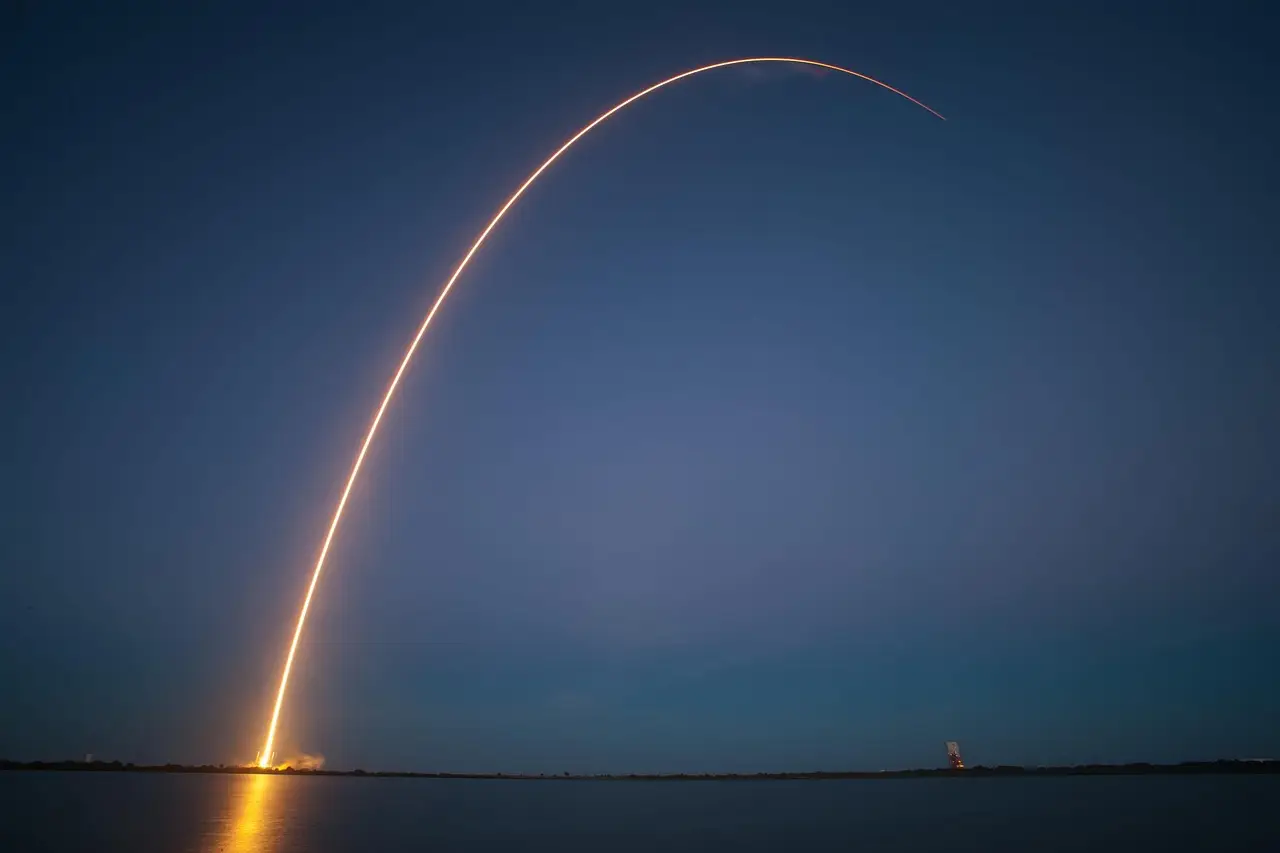
Amazon Leo will put 40 broadband satellites into low Earth orbit on November 13, riding United Launch Alliance's Vulcan rocket on a mission branded Leo Vulcan 01. It is the largest Leo payload delivered to date, and the first of 38 launches Amazon has booked with ULA under a contract covering more than 1,500 satellites.
The launch is one corner of a much bigger build-out. Amazon has already finished construction on more than 1,000 satellites, all sitting in storage and waiting for rides. The provider roster also includes Arianespace, Blue Origin and SpaceX, a spread Amazon frames as deliberate.
"Larger rockets and more frequent launches are critical to scaling our constellation and getting service to customers, and the Vulcan program is designed to deliver on both dimensions," said Melissa Wuerl, director of launch systems for Amazon Leo.
Vulcan, in her words, will carry "close to half our first-generation constellation, making it our primary workhorse over the next several years."
What's new about this particular rocket?
LV-01 flies two hardware firsts. It carries a shorter, optimised version of ULA's Centaur V upper stage, which lets Vulcan haul more satellites per shot. It also marks the debut of Vulcan's six-booster configuration, the maximum-performance version of the vehicle.
In plain terms, Amazon has bought a bigger truck and asked ULA to run it more often. Both halves of that equation still need to prove themselves on the pad.
How does ULA speed up the launch cadence?
Amazon has funded modifications at Cape Canaveral to compress the gap between missions. The new assets include:
- A dedicated Vertical Integration Facility, VIF-A
- A new mobile launch platform for Leo missions
- The ability to prepare two Vulcan missions in parallel
Those investments should cut turnaround between launches from months to days or weeks, according to the programme. LV-02 is already being prepared, and Amazon says its Cape Canaveral work will let it fly within weeks of LV-01.
Why four launch providers instead of one?
Leo launches with multiple providers by design. The stated logic is diversity and scale: if one vehicle slips, others keep the deployment moving as they come online. For a constellation of this size, that is less strategy than arithmetic.
The approach gets its next test quickly. Arianespace is preparing an Amazon Leo launch of its own, scheduled for around November 23 — ten days after Vulcan's debut.
Wuerl closed with a nod to the schedule ahead: "We're looking forward to kicking off the sprint with our partners at ULA." With 1,000-plus satellites built and 38 ULA missions on the books, the sprint has a defined distance. The first leg covers 40 spacecraft on November 13.
Also reported
Source: Advanced Television
More from Amara Osei
Show full bio
News editor covering technology and product news in Carrier business, 5G and 6G, fiber and broadband at Telecom Gazette.
527 articles