Fiber & BroadbandAmazon LeoVulcan CentaurUnited Launch AllianceSatellite Broadband
Vulcan Centaur Failure Destroys 40 Amazon Leo Broadband Satellites
ULA's Vulcan Centaur failed 10 minutes after liftoff on Nov. 15, destroying 40 Amazon Leo broadband satellites on the booster's return to flight after a nine-month stand-down.
 Fiber & Broadband
Why it matters
- Vulcan Centaur lost 40 Amazon Leo broadband satellites after an anomaly 10 minutes into flight on Nov. 15.
- The mission was Vulcan's return to flight after a nine-month stand-down ordered amid solid rocket booster nozzle failures.
- Amazon Leo had roughly 400 of a planned 3,200+ satellites in orbit before the loss, across 15 launches by Atlas V, Falcon 9 and Ariane 6.
- SRB nozzles burned through and detached on two earlier Vulcan flights, in October 2024 and February 2026.
- The U.S. Space Force had paused national security launches on Vulcan pending corrective upgrades.
The story
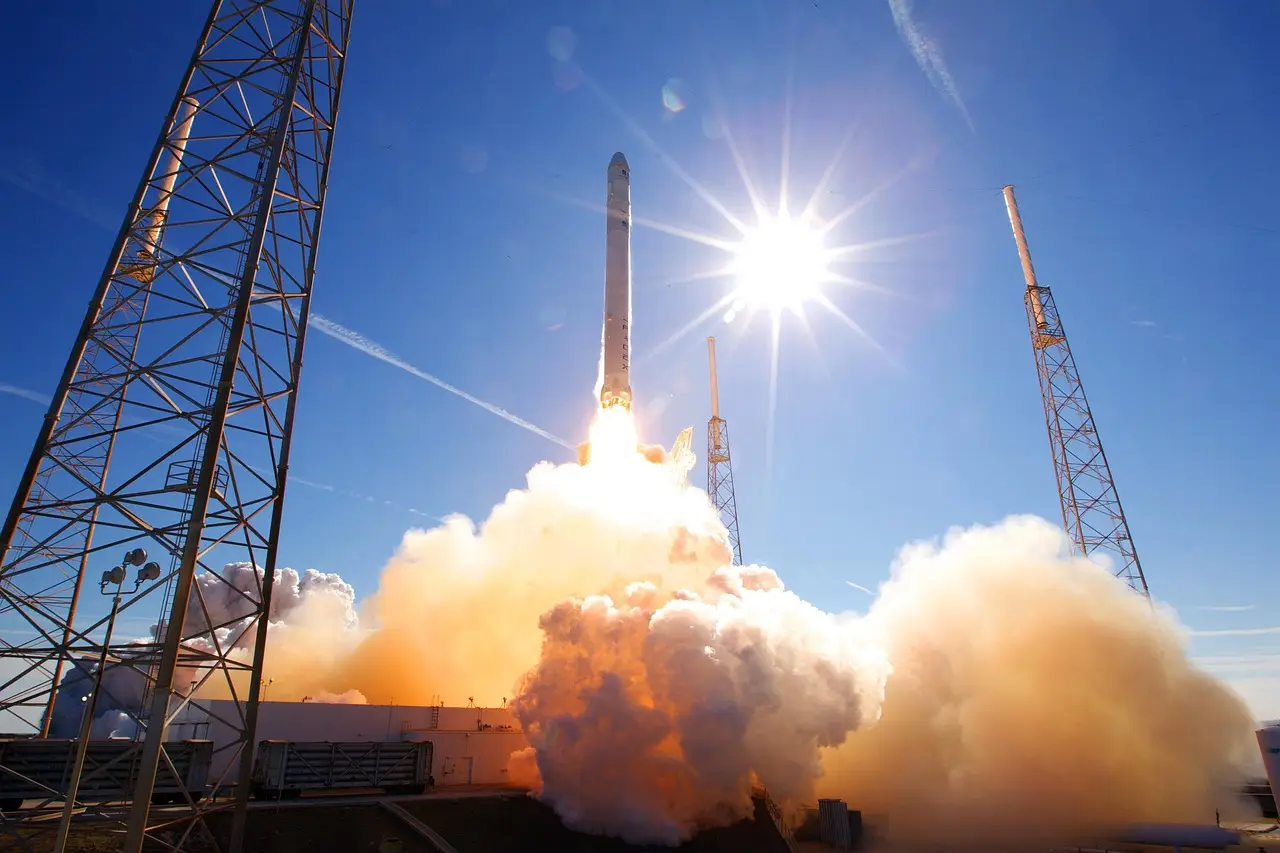
United Launch Alliance's Vulcan Centaur rocket failed 10 minutes into flight on Sunday, November 15, destroying 40 broadband satellites bound for Amazon's Leo constellation and ending the booster's return to flight after a nine-month stand-down.
The mission, designated Vulcan Leo 1, lifted off from Space Launch Complex 41 at Cape Canaveral Space Force Station in Florida at 12:40 p.m. Eastern Time (1740 GMT). The vehicle never reached low Earth orbit. Fifty minutes after liftoff, ULA confirmed the loss in a statement on X.
"Based on data received by our Launch Director, we confirm that the Vulcan vehicle launched from Space Launch Complex 41 suffered an anomaly 10 minutes into the flight and failed to deliver the Amazon mission to orbit," ULA said. "Since the anomaly just occurred, we don't have any specific data yet to understand what occurred today."
The statement gives no timeline for a failure investigation, and ULA has not said when Vulcan will fly again.
A troubled return after nine months
The November 15 mission marked Vulcan Centaur's first flight since a nine-month stand-down. The rocket, which debuted in January 2024 as the successor to ULA's Atlas V, had completed four prior missions. Two of them went wrong in an identical way.
During both the second flight in October 2024 and the fourth mission in February 2026, a nozzle on one of the rocket's solid rocket boosters burned through and detached roughly 30 seconds after liftoff. On both occasions the vehicle still delivered its payloads to orbit. The U.S. Space Force nonetheless paused national security launches on Vulcan pending corrective upgrades.
ULA implemented nozzle design and process improvements before the November 15 flight. The SRBs appeared to perform normally this time. A separate anomaly, striking at the 10-minute mark and therefore far later in the ascent profile than the booster problem, prevented orbital insertion.
The distinction matters for the investigation. Two distinct failure modes across three missions point to broader questions about the vehicle's reliability record rather than a single recurring hardware fault.
What does this change for Amazon Leo?
Amazon Leo, the broadband network formerly known as Project Kuiper, plans a constellation of more than 3,200 satellites in low Earth orbit. Before November 15 it had roughly 400 spacecraft in orbit, deployed across 15 launches carried out by Atlas V, SpaceX's Falcon 9 and Arianespace's Ariane 6.
Vulcan Leo 1 was the first Vulcan mission flown for Amazon. The loss of 40 satellites removes roughly one-tenth of the constellation's deployed fleet from Amazon's near-term pipeline, though the company's multi-launcher strategy has so far spread deployment across four rocket families.
Amazon has not said whether it will shift manifest share toward Falcon 9 or Ariane 6 while ULA investigates. Any reassignment would carry scheduling consequences: the constellation's full deployment depends on sustained launch cadence from all of its contracted providers.
For ULA, the stakes are commercial and institutional at once. Vulcan holds national security missions that the Space Force already froze once over the booster nozzle issue. A second, separate anomaly 10 minutes into flight will renew scrutiny of the vehicle's certification for those payloads, and the timing of any return to the pad now rests on an investigation that, by ULA's own admission, had produced no specific data within the first hour.
Also reported
Source: satnews.com
More from James Calloway
Show full bio
Staff writer covering companies, deals and strategy in Carrier business, 5G and 6G, fiber and broadband at Telecom Gazette.
499 articles