Networks & InfrastructureAmazon LeoUnited Launch Alliance UlaVulcanSatellite Internet
Amazon loses 40 Leo satellites as ULA's Vulcan fails first time
ULA's Vulcan failed 10 minutes into flight, destroying 40 Amazon Leo satellites in the company's first mission loss and deepening a US launch bottleneck ahead of Falcon 9's retirement.
 Networks & Infrastructure
Why it matters
- ULA's Vulcan failed 10 minutes after liftoff from Cape Canaveral, destroying 40 Amazon Leo satellites — the company's first mission failure since its 2006 founding.
- Sunday was Vulcan's fifth flight since 2024 and its first in nine months after investigations into side boosters and Blue Origin's BE-4 engines.
- Amazon has deployed 398 of the 3,236 Leo satellites needed for global coverage — about 12 per cent — since 2025 across 14 launches.
- SpaceX's Starlink, Amazon's target competitor, operates more than 11,000 satellites with millions of customers.
- The failure is expected to ground Vulcan for months as Falcon 9 retires and stops accepting bookings, tightening the US launch market.
The story
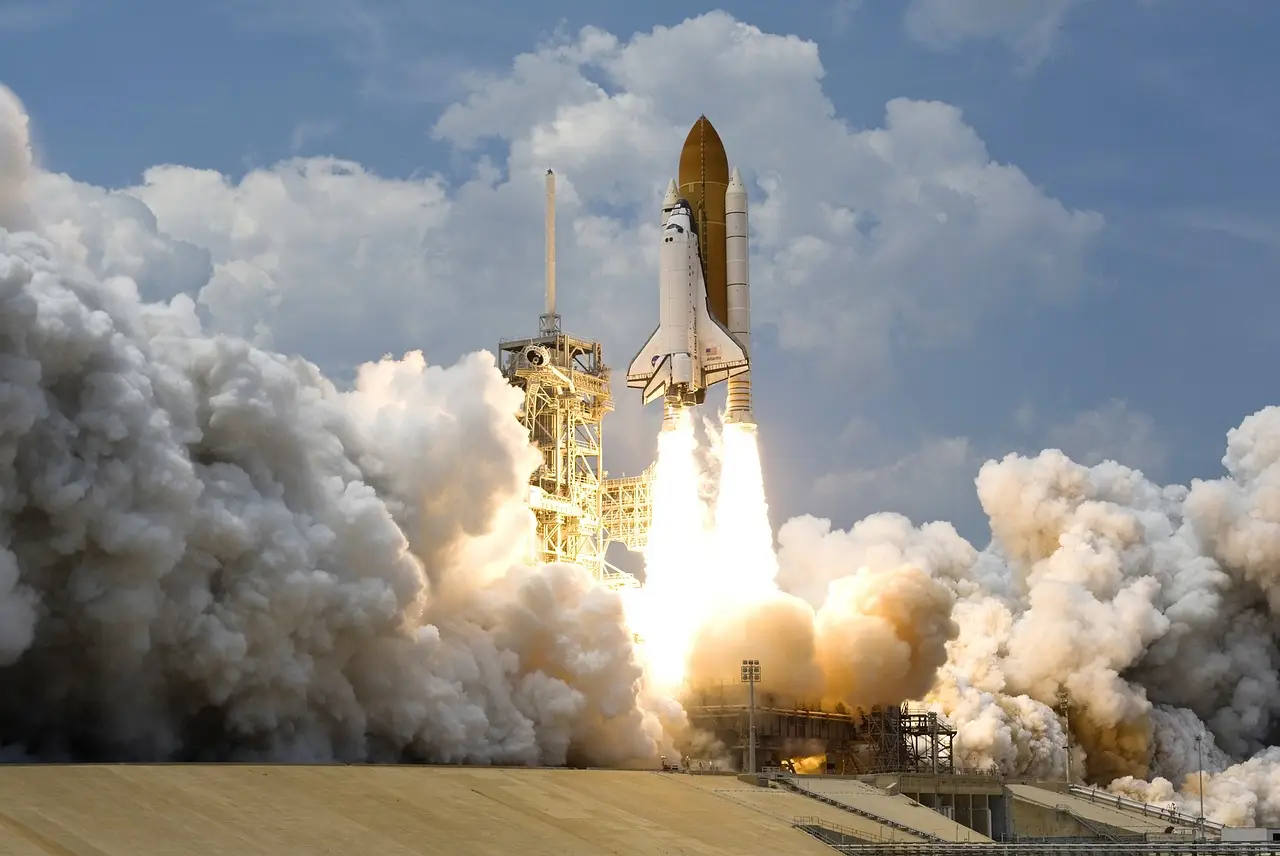
A Vulcan rocket owned by United Launch Alliance failed roughly 10 minutes after liftoff from Florida on Sunday, destroying its payload of 40 satellites from Amazon's Leo internet constellation and marking the first mission failure in the Boeing-Lockheed Martin joint venture's two-decade history.
The rocket lifted off from Cape Canaveral Space Force Station's Space Launch Complex 41 and suffered an anomaly at the ten-minute mark, before the Amazon mission reached orbit. The cause was not immediately clear. ULA confirmed the loss in a statement.
"Based on data received by our Launch Director, we confirm that the Vulcan vehicle launched from Space Launch Complex 41 suffered an anomaly 10 minutes into the flight and failed to deliver the Amazon mission to orbit," ULA said.
The company added that it had no answers yet. "Every flight generates data, and every flight teaches us something. Since the anomaly just occurred, we don't have any specific data yet to understand what occurred today," ULA said.
What happens to Vulcan now?
Expect a lengthy technical investigation, one likely to keep the rocket off the market for months. That timeline matters beyond ULA. The US launch market is already squeezed by mishaps across the industry and by the looming retirement of SpaceX's Falcon 9, the world's most active rocket, which SpaceX is no longer booking.
Sunday's flight was Vulcan's fifth since its 2024 debut and its first in nine months. The launch hiatus before it stretched out over separate technical investigations into the rocket's solid rocket side boosters and its core BE-4 engines. Those engines come from Blue Origin, the space company founded by Amazon founder Jeff Bezos — a fact that adds an awkward corporate symmetry to the failure. Blue Origin is working with ULA on the investigation, according to a person familiar with the matter who spoke on condition of anonymity.
The boosters had been under scrutiny for issues on Vulcan's last two flights, including a February mission for the US Space Force. Both delivered their payloads to orbit, but the Pentagon had not yet cleared the rocket to resume national security launches, pending its performance on the Amazon mission. That performance is now a failure.
The BE-4's recent record invites questions. Blue Origin's New Glenn rocket, which uses the same engine, suffered a launchpad explosion in May. The subsequent investigation determined the engine was the cause, and Blue Origin modified the engines delivered to ULA for Vulcan, ULA spokesperson Jessica Rye told Reuters in August. It was unclear whether the BE-4 played a role on Sunday; the anomaly appeared to occur after Vulcan's second stage — the section carrying the Amazon satellites — separated from the first-stage booster that the BE-4 engines power.
ULA was formed in 2006 from a merger of Boeing's Delta program and Lockheed Martin's Atlas program and had held a 100 per cent mission success record since. Its predecessor Delta and Atlas rockets suffered only a handful of failures in the decades before the merger.
How far behind is Amazon's Leo?
The loss compounds Amazon's struggle to reach orbit through third-party launch providers, several of which have faced groundings and failures. The New Glenn explosion in May occurred days before that rocket was due to launch Amazon Leo satellites.
These failures have persistently delayed Amazon's bid to rival SpaceX's Starlink network, which operates more than 11,000 satellites serving millions of customers worldwide. SpaceX's lead rests partly on owning its own rockets; rivals must spend billions on external launch capacity.
The numbers frame the gap. Since 2025, Amazon has deployed 398 Leo satellites across 14 launches — roughly 12 per cent of the 3,236 satellites needed for global coverage. Sunday's payload would have added 40 to that total. Amazon has hoped to begin initial internet service this year, and it defended its partner in a statement.
"There is risk with any launch, and that's especially true for inaugural missions like LV-01," Amazon said, referring to Sunday's mission name. "ULA has been a trusted partner for Amazon, and we believe they'll learn from this mission and deliver on their long-term plans for Vulcan."
Trust, however, does not shorten an investigation. With Vulcan grounded for months and Falcon 9 bookings closed, Amazon's path to its initial Leo service this year now runs through a launch market with fewer working rockets than customers who need them.
Also reported
Source: dawn.com
More from Rebecca Stone
Show full bio
Correspondent covering technology and product news in Carrier business, 5G and 6G, fiber and broadband at Telecom Gazette.
521 articles