5G & 6GSpacexQualcommStarlink5g Infrastructure
SpaceX and Qualcomm plan tens of thousands of US 5G sites
SpaceX and Qualcomm signed a multiyear deal for a US 5G network using tens of thousands of terrestrial sites from 2027. Spectrum, site access and build costs remain unresolved.
 5G & 6G
The story
By Daniel Okafor
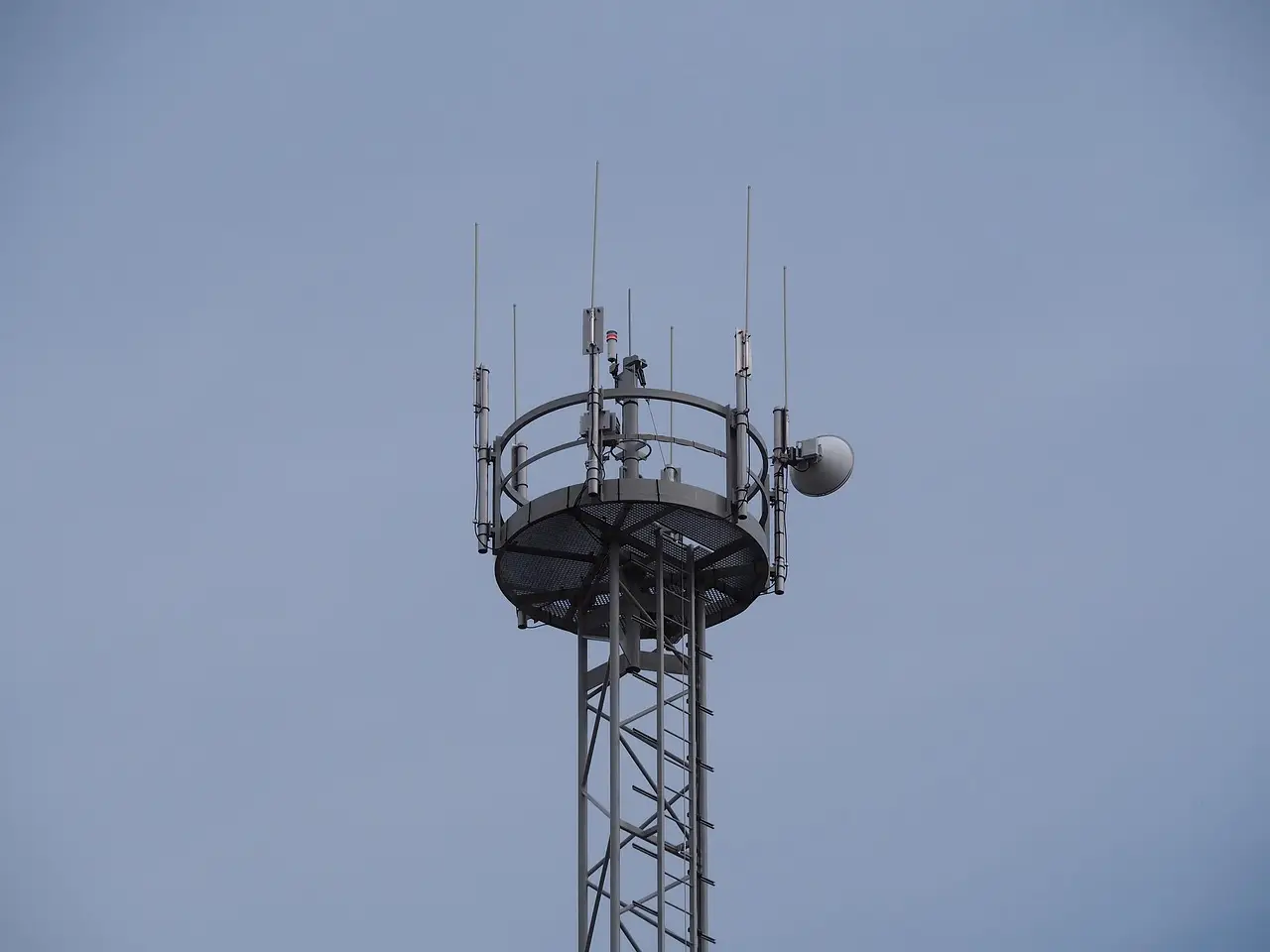
SpaceX plans to deploy tens of thousands of terrestrial 5G base stations across the United States from 2027 under a multiyear agreement with Qualcomm. The phased program will combine Starlink’s low-Earth-orbit satellite service with terrestrial coverage. The stated objective is better service quality and capacity, while creating a foundation for competition with incumbent US mobile carriers.
Qualcomm said on the 4th, local time, that it signed the agreement to support Starlink Mobile’s nationwide terrestrial 5G network. The announcement sets a construction schedule for the first base-station phase. It does not set a commercial launch date, subscriber target or service price.
What hardware will Qualcomm supply?
Qualcomm will supply its Dragonwing cellular infrastructure platform and communications software. The radio and base-station processing components include:
- QRU100 radio equipment.
- QDU100 platform, which handles signal processing at the base station.
- Massive MIMO technology for handling large data volumes.
The design uses a 64T64R architecture, comprising 64 transmit paths and 64 receive paths. The stated goal is to increase capacity and spectral efficiency. The announcement provides no throughput figures, so those performance targets remain unquantified.
Why pair satellites with terrestrial sites?
SpaceX, led by Elon Musk, is moving beyond its role as a satellite communications operator. It wants its own mobile network to complement terrestrial services that satellites cannot provide alone.
Low-Earth-orbit satellites can reach islands, mountainous regions and open water where terrestrial networks are difficult to build. Their signals and capacity face greater constraints inside buildings and in dense urban cores dominated by high-rises. Terrestrial base stations can absorb heavy traffic in those populated areas.
SpaceX’s plan combines those strengths in one service. Michael Nichols, senior vice president in charge of Starlink at SpaceX, said: “We will build a single nationwide network in which satellites and terrestrial networks are fully integrated so that connectivity is never interrupted no matter where you are.” That integration claim sits at the center of the commercial proposition. No test results or implementation details for that continuity claim appear in the announcement.
What does Qualcomm claim about 5G and 6G?
Durga Malladi, a Qualcomm vice president, said: “Together with SpaceX, we are building a world-class cellular infrastructure in the United States,” adding, “We are advancing 5G now while laying the groundwork for future AI-based 6G infrastructure.”
The 6G reference sets a technology horizon beyond the announced 5G build. It remains vendor positioning rather than a deployed standard or a funded 6G program. The concrete commitment for now is the Dragonwing equipment and software package supporting tens of thousands of planned sites from 2027.
What must happen before commercial service?
Three commercial requirements remain. First, SpaceX must secure spectrum for the network. Second, it must obtain the base-station sites required for the phased rollout. Third, it must address the buildout expense. The Qualcomm agreement covers equipment supply and technical support; it does not resolve those cost and asset-access requirements.
SpaceX has recently pursued a deal to acquire US spectrum assets. The possibility of acquiring Boost Mobile, EchoStar’s budget carrier, has also been mentioned. Those spectrum and carrier M&A discussions are separate from the equipment supply agreement with Qualcomm. Neither an acquisition nor a commercial launch date is confirmed in the announcement.
What changes for the US mobile market?
SpaceX would enter terrestrial mobile operations with a nationwide network ambition, not merely an orbital connectivity service. Qualcomm would supply a new national operator’s radio, processing and software infrastructure. Incumbent US carriers would face a prospective entrant able to package satellite coverage and terrestrial capacity under Starlink Mobile.
The immediate test is execution rather than announcement. The announcement provides no subscriber forecast, coverage footprint, throughput target, capital budget or retail tariff. Regulatory timing also remains unspecified; the only stated spectrum condition is that SpaceX must secure access.
The next proof points are spectrum access, site commitments and construction funding before the first 2027 phase. Without those steps, the announced buildout would remain a deployment plan rather than a dated commercial service.
Also reported
Source: Google News: 5G network
More from Daniel Okafor
Show full bio
Senior reporter covering regulation, policy and their impact on Carrier business, 5G and 6G, fiber and broadband at Telecom Gazette.
462 articles