5G & 6GQualcommSpacexDragonwingStarlink
Qualcomm, SpaceX link Dragonwing to a terrestrial 5G plan
Qualcomm’s Dragonwing technology could underpin a SpaceX-backed terrestrial 5G network, with reported Boost Mobile talks, tower access and OLC scrutiny ahead.
 5G & 6G
Why it matters
- Qualcomm agreed with SpaceX to provide Dragonwing technology for a potential Starlink-linked terrestrial 5G network.
- The discussion disclosed no contract value, tower count, launch date, coverage target or subscriber forecast.
- SpaceX is reportedly discussing network access with Boost Mobile and physical-site access with tower operators.
- Starlink has been buying more broadband spectrum for the terrestrial network, but no quantity was disclosed.
- Jablonski said near-term results would depend on spending, while the OLC administration would watch the arrangement.
The story
By Elena Vasquez
Qualcomm has agreed with SpaceX to provide Dragonwing cellular technology for a potential terrestrial 5G network linked to Starlink, according to a Yahoo Finance 8:30 panel. The agreement gives no evidence of a finished network launch.
The discussion left the basic scale undefined:
- No contract value
- No tower count
- No launch date
- No coverage target
Hosts Jake Conley and Pras Subramanian questioned Defiance ETFs CIO Sylvia Jablonski about what the arrangement could mean for terrestrial wireless connectivity. The practical work would happen on the ground, where Qualcomm chips would support the 5G signal in towers or similar structures.
Jablonski said: “They already got the satellites in place. It’s more about building out that terrestrial network.” The project resembles adding radio masts to an existing orbital system, not replacing the satellites already in place. That makes terrestrial site access central to deployment rather than a later commercial detail.
What does Qualcomm’s deal cover?
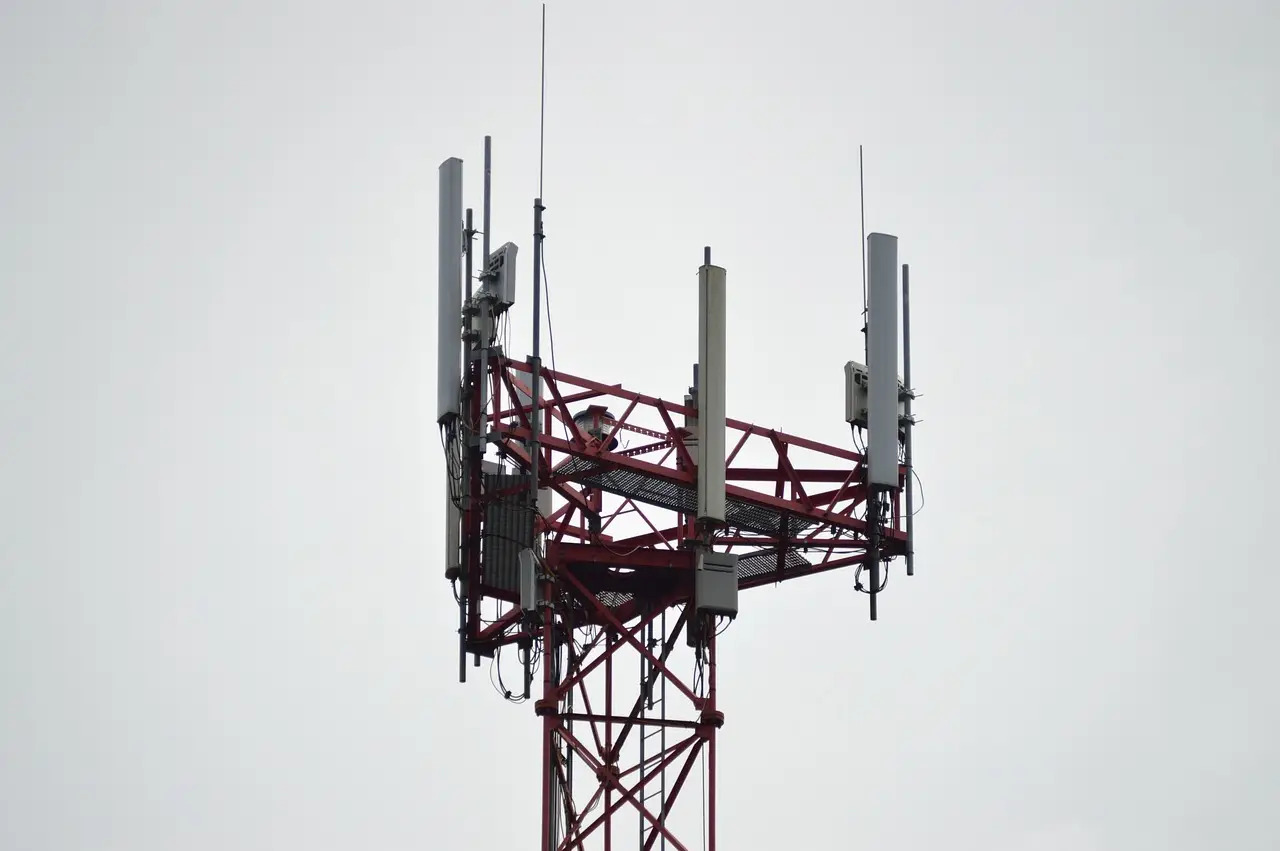
At chip level, Qualcomm is the vendor for the proposed 5G build. The panel said its chips would sit in towers or other structures and support the terrestrial signal. The arrangement places that technology with SpaceX for a network that the discussion associated with Starlink.
The agreement does not settle how the network would reach customers or how large it would become. The panel did not provide a commercial forecast, and the discussion attached no revenue or spending guidance from Qualcomm. The chip vendor’s role is clear; the commercial scale is not.
The panel’s strategic framing combined terrestrial 5G with a space overlay. Jablonski tied the demand case to moving data with low latency for applications such as smart cities and AI. She noted that 5G dominated industry discussion during COVID, before the narrative shifted toward satellites and space technology.
These points describe potential use cases, not operating performance. The discussion cited no subscriber forecast and no measured service result. The case for Qualcomm therefore rests on a large addressable market rather than demand from a launched service.
What could turn the plan into coverage?
Starlink has been buying more broadband spectrum for the terrestrial network, the panel said. It did not put a number on that spectrum or attach a regulatory schedule to it. The purchase matters because the proposed chips still need radio sites and the rights to transmit; a chip agreement cannot substitute for either.
Access to infrastructure is the other prerequisite. The panel said SpaceX was also talking to tower operators, without naming companies or describing their commercial terms. Progress in those talks would determine how quickly terrestrial coverage could take shape.
A separate commercial path involves Boost Mobile. SpaceX is reportedly discussing access for the US operator to the proposed network, which would give the project a named potential customer or host. The panel disclosed no pricing or launch schedule and offered no subscriber commitment. Boost Mobile should therefore not yet be counted as a confirmed launch partner.
Both arrangements can proceed in parallel, but neither guarantees the other. Tower access would supply physical coverage, while Boost Mobile access would require sites and spectrum to serve. The panel presented both as live possibilities rather than completed steps.
Why is the OLC watching?
The panel said the OLC administration would be watching how the arrangement develops. It gave no procedural detail and identified no completed regulatory step, leaving the regulatory path undefined. That matters because site access and spectrum use sit beneath the commercial plans.
Regulatory attention does not resolve the investment case by itself. Even clear approval would not establish the size of Qualcomm’s orders or any customer commitment. Those commercial disclosures would show whether the agreement is moving toward construction or remaining a technology option.
What does Qualcomm stand to gain?
Qualcomm’s opportunity is substantial if the network reaches scale. Jablonski described a massive total addressable market and said the runway for the company was huge. She tied that view to demand for low-latency data movement in applications such as smart cities and AI. She also linked Qualcomm’s opportunity to the expansion of satellite connectivity.
That is an analyst assessment rather than a Qualcomm forecast or an operator result. The panel offered no company financial forecast and no measure of expected chip shipments. The most concrete commercial measure named was spending, and even that had no budget attached.
Her more grounded test was execution: “In the near term, it’s going to be about the results on, you know, kind of the spending.” In practical terms, Qualcomm’s participation becomes visible only if SpaceX commits capital to towers, secures spectrum and reaches usable arrangements with Boost Mobile or tower companies.
The next test is practical progress in the reported Boost Mobile and tower-operator talks, together with clarity on additional spectrum and the OLC process. Until a spending plan, site list or policy timetable emerges, the agreement remains a terrestrial build option rather than a commercial 5G launch.
Also reported
Source: Google News: 5G network
More from Elena Vasquez
Show full bio
Market editor covering companies, deals and strategy in Carrier business, 5G and 6G, fiber and broadband at Telecom Gazette.
429 articles