Vendors & EquipmentQualcommSpacexStarlink Mobile5g
Qualcomm to equip tens of thousands of Starlink Mobile 5G sites
SpaceX has signed Qualcomm to supply Dragonwing radios and baseband for tens of thousands of Starlink Mobile 5G sites across the US, deploying from early next year.
 Vendors & Equipment
Why it matters
- Qualcomm and SpaceX announced the multi-year agreement on November 4
- Tens of thousands of 5G sites will be deployed, starting early next year
- Starlink Mobile will use 64T64R Massive MIMO radio units plus Qualcomm baseband and software
- SpaceX has held talks to access 80,000 US cell sites, including with Crown Castle
- Elon Musk outlined plans for a competitive carrier network on SpaceX's October earnings call
The story
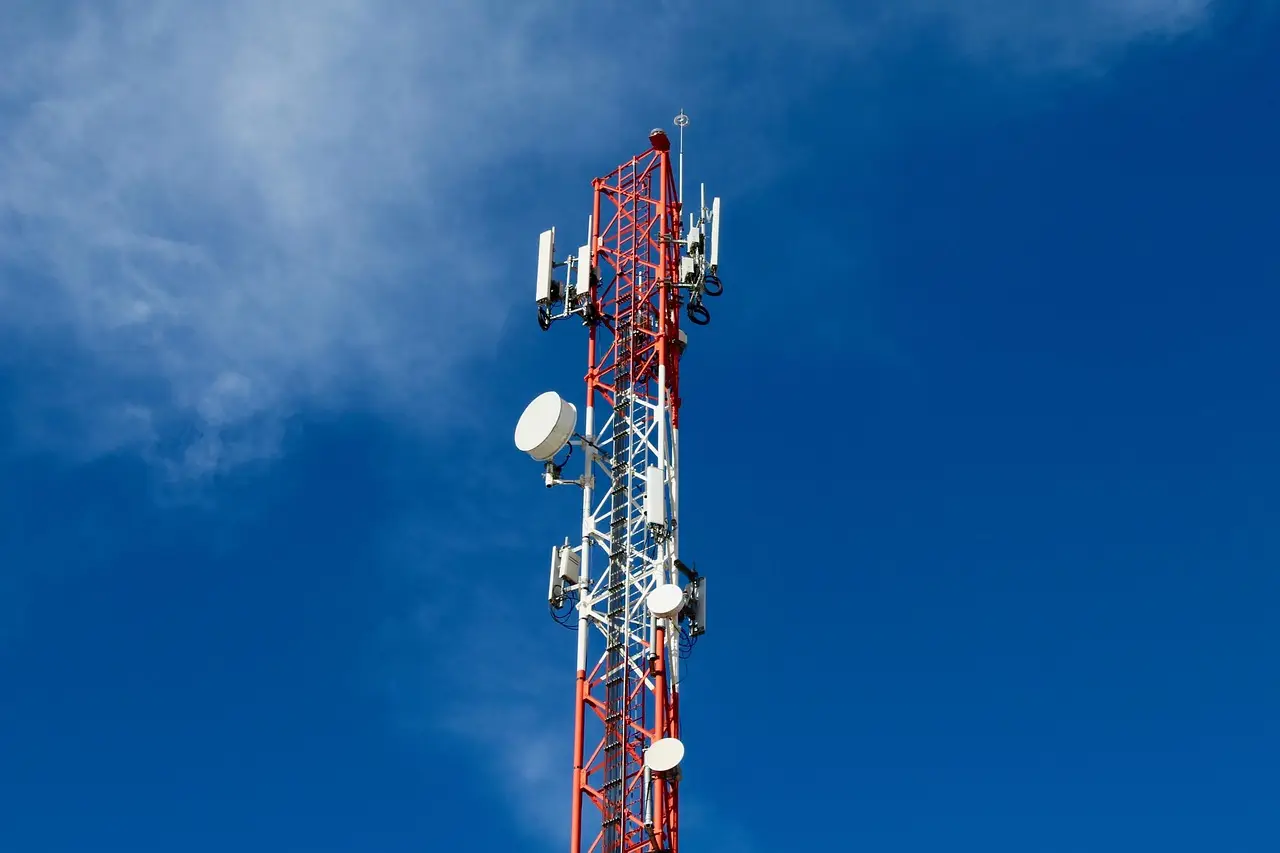
SpaceX will deploy Qualcomm radio equipment at tens of thousands of sites across the United States starting early next year, under a multi-year agreement announced on November 4 that names Qualcomm as a key supplier for Starlink Mobile's planned nationwide terrestrial 5G network.
The contract covers Dragonwing cellular infrastructure platforms: radio units, baseband units and software. Starlink Mobile will use Massive MIMO radios with 64 transmit and 64 receive paths (64T64R), an architecture designed to improve coverage, capacity and spectral efficiency so the network can carry more traffic per site.
For Qualcomm, the deal is a substantial win in a market where the company is better known for smartphone chipsets. It has built its infrastructure credentials more quietly, supporting Vietnamese carrier Viettel's 5G launch and working with a number of Japanese mobile operators. Landing a nationwide US buildout would place its Dragonwing platforms at the center of one of the largest greenfield network deployments in the country.
What did Qualcomm say about the deal?
Durga Malladi, EVP and general manager of technology planning, edge solutions and data center at Qualcomm Technologies, framed the agreement around the practical demands of a national buildout.
"Building a nationwide network demands high performance and power efficiency at every site," Malladi said. "Dragonwing Cellular Infrastructure platforms bring together advanced Massive MIMO, purpose-built processing and commercial-grade Layer 1 software to help Starlink deliver an exceptional nationwide network."
He also cast the partnership as forward-looking: "Together with SpaceX, we are building world-leading cellular infrastructure in the United States, advancing 5G today, with an opportunity to lay the foundation for AI-native 6G in the years ahead."
The 6G reference is a vendor aspiration rather than a contracted deliverable. What is contracted today is 5G equipment: high-capacity Massive MIMO radios, baseband technology and power-efficient processing intended to support cellular base station deployment at scale.
Why does SpaceX want its own terrestrial network?
The Qualcomm agreement fits SpaceX's publicly stated ambition to compete directly with AT&T, Verizon and T-Mobile in terrestrial mobile coverage, going beyond its existing Starlink direct-to-cell (D2C) satellite offering.
To support that push, SpaceX has held active talks to gain access to 80,000 cell sites across the US, according to the source reporting. Tower company Crown Castle has been identified as one of the infrastructure firms involved in those discussions. Securing sites at that scale would give a new entrant the physical footprint normally built over decades.
SpaceX CEO Elon Musk outlined the plan to build a competitive carrier network during the company's earnings call in October, signaling that the effort has executive-level backing rather than remaining an exploratory project.
What happens next?
Equipment deployment begins in early 2026 under the multi-year agreement, with the tens of thousands of sites rolling out in phases. Whether SpaceX can convert tower access talks, a vendor supply chain and spectrum arrangements into a network that genuinely pressures the three established US carriers will become clearer as the first sites come online.
Also reported
Source: Google News: 5G network
More from Elena Vasquez
Show full bio
Market editor covering companies, deals and strategy in Carrier business, 5G and 6G, fiber and broadband at Telecom Gazette.
429 articles