5G & 6GStarlinkQualcomm5gMassive Mimo
Starlink taps Qualcomm for nationwide US 5G ground network
SpaceX has selected Qualcomm's Dragonwing platforms for a planned nationwide US 5G network using 64T64R Massive MIMO, though rollout dates, spectrum and subscriber targets remain undisclosed.
 5G & 6G
Why it matters
- SpaceX selected Qualcomm's Dragonwing platforms for a planned nationwide 5G terrestrial network in the United States.
- The planned Massive MIMO radios have 64 transmit and 64 receive paths.
- The Dragonwing platform combines QRU100 radio-unit processing with QDU100 time-sensitive processing.
- Deployment will use multiple bands in several rollout waves; no launch date, tower count, spectrum plan or subscriber target was disclosed.
- Qualcomm says the partnership is advancing 5G and may support AI-native 6G in coming years.
The story
By James Calloway
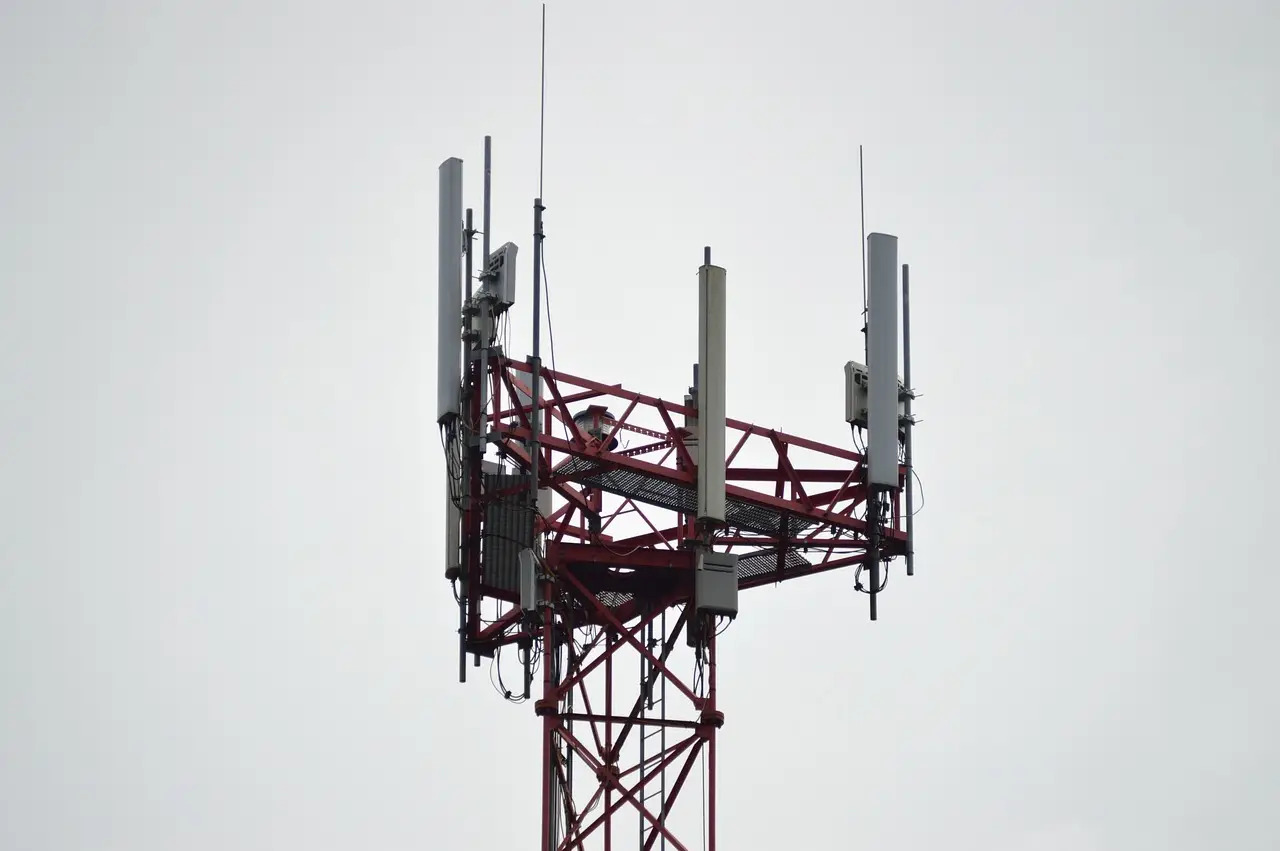
SpaceX has chosen Qualcomm's Dragonwing Cellular Infrastructure platforms for Starlink Mobile's planned nationwide 5G terrestrial network in the United States, using Massive MIMO radios with 64 transmit and 64 receive paths.
The Qualcomm announcement describes a network still to be built. It gives no tower target, coverage footprint, subscriber forecast, capital budget, deployment date, spectrum plan or measured throughput. “Nationwide” therefore identifies the intended scope, not an operating result. The details remain thin.
A call can fail when a vehicle enters a dead zone or a handset reaches a poorly served part of a building. Starlink treats those gaps as a network-design problem, not a limitation confined to satellite service.
Qualcomm's hardware role
Qualcomm said SpaceX will use its Dragonwing Cellular Infrastructure platforms, with Qualcomm technology powering the ground cell sites. The radio units use a Massive MIMO design intended to improve coverage and capacity, use spectrum more efficiently and handle more traffic.
Two Dragonwing products perform different processing tasks:
- QRU100: processes the radio units.
- QDU100: handles fast, time-sensitive processing behind the scenes.
Together, Qualcomm says the products are designed to deliver better performance per watt. Its energy-efficiency proposition could lower deployment cost as Starlink scales the network, which matters for a build meant to fill coverage gaps across a large market. The announcement supplies no power, cost or throughput benchmark, so the saving remains unquantified.
The integrated-network claim
Michael Nicolls, Senior Vice President of Starlink, said “calls dropping at home or on the go” should not still be a problem. He described Starlink Mobile as the first fully integrated nationwide network combining satellite and terrestrial coverage, allowing a user to remain connected across both layers.
That is the central commercial proposition. The intended arrangement pairs the satellite service's wide-area coverage with planned ground 5G sites for local radio coverage and capacity. Qualcomm's role extends beyond components. According to the announcement, the company's platform and expertise will help Starlink accelerate development of an end-to-end base-station architecture.
What does this change for dropped calls?
For customers in patchy-coverage areas, the practical change would be a ground 5G layer working with Starlink's satellite service, reducing reliance on either layer alone. The announcement provides no launch-market list, coverage map, service price, device list or service timetable.
Starlink plans to deploy the network across multiple bands in several rollout waves, making clear that nationwide availability will not arrive at once. It did not identify the bands, number of waves, first-wave locations, site count or launch date. Those omissions leave the rollout without enough detail to assess its scale or commercial pace.
The announcement also provides no regulatory timetable, spectrum authorization detail, approval status or 3GPP release. Those omissions leave the route from platform selection to commercial operation undefined. For a nationwide terrestrial layer, readers cannot yet judge when sites can enter service, which markets lead the program or what Starlink must spend to meet the stated scope.
Qualcomm is already looking further ahead. Durga Malladi, EVP and GM of Technology Planning, Edge Solutions, and Data Center at Qualcomm Technologies, said the partnership is “advancing 5G today and could pave the way for AI-native 6G in the coming years.”
The 6G statement is a vendor forecast, not a standards timetable or deployment plan. The announcement identifies no future-generation spectrum, architecture or commercial milestone.
The next milestones are the first-wave market list, spectrum plan, regulatory clearances and tower schedule. Until those appear, Starlink Mobile remains an announced national architecture rather than a measured coverage proposition. The first deployments will determine whether the 64T64R radios deliver the coverage and capacity gains Qualcomm and Starlink promise.
Also reported
Source: Google News: 5G network
More from James Calloway
Show full bio
Staff writer covering companies, deals and strategy in Carrier business, 5G and 6G, fiber and broadband at Telecom Gazette.
410 articles