5G & 6GVirgin Media O2Vecta5g DeploymentMobile Infrastructure
Virgin Media O2 cuts 5G site work to one day with Vecta frame
Virgin Media O2 says Vecta's ExoFlex frame has cut 5G site swaps from four-to-seven days to one as it pursues £800m in annual savings and lower mast costs.
 5G & 6G
Why it matters
- VMO2 says ExoFlex has reduced base-station site swaps from four-to-seven days to one.
- The University of Manchester's wind tunnel generates air flows above 20 metres per second, equivalent to about 45mph.
- VMO2 allocated £700 million to mobile network investment this year after spending the same amount in 2025.
- VMO2 aims to save about £800 million in annual spending by 2029.
- Vecta has no European customers other than VMO2, Michael Symes says.
The story
By Elena Vasquez
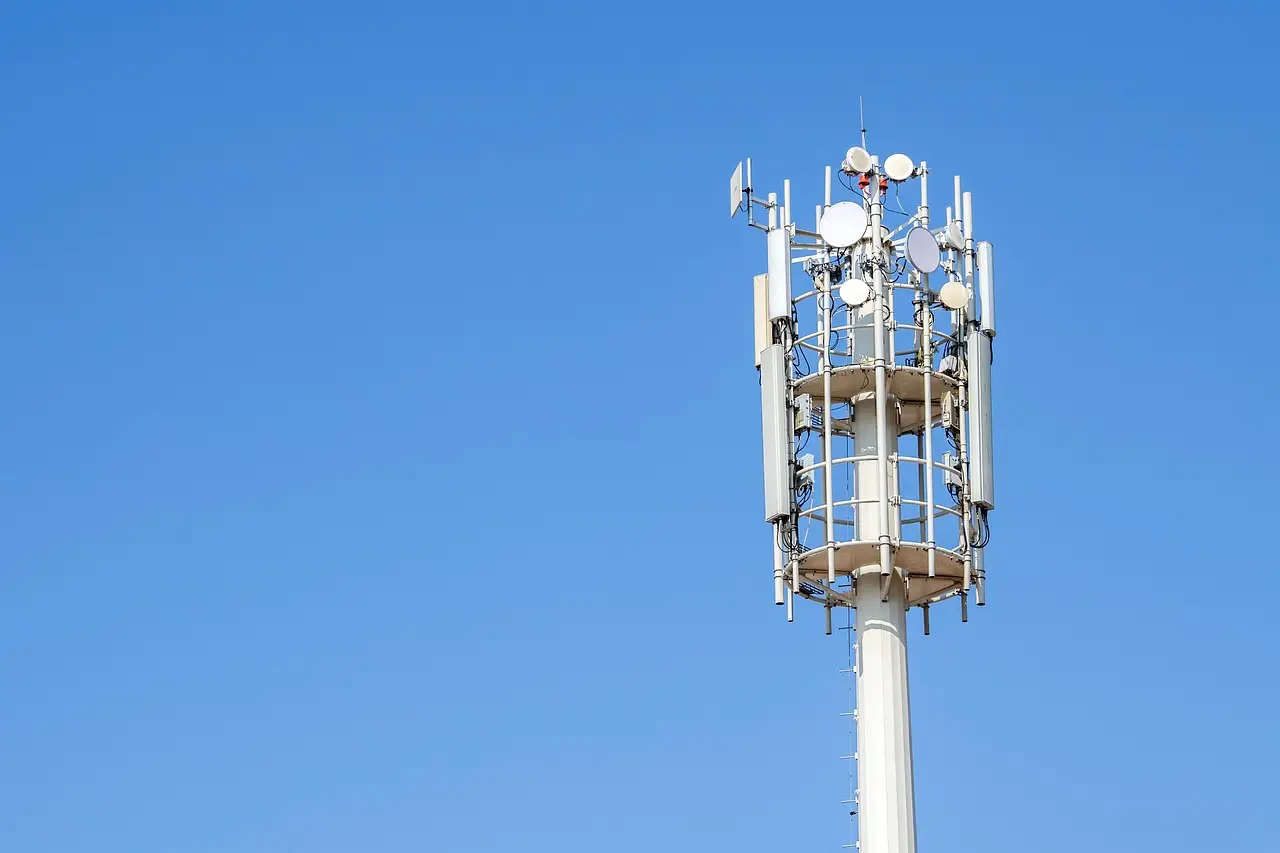
Virgin Media O2 has cut the time needed to replace equipment at a 5G site from four to seven days to one by using Vecta’s ExoFlex assembly frame, according to mobile access engineering director Rob Joyce. The UK operator says its factory-built radio and antenna units can also reduce wind loading during 5G deployment, potentially avoiding reinforcement of shared masts.
Inside the University of Manchester’s wind tunnel, a steel ExoFlex frame carrying radios and antennas now sits where an elite cyclist once pedaled on a stationary, tiltable bicycle. Researchers use sensor-tipped poles to map the equipment as the fan produces artificial wind. Color displays show where air buffets the structure, and the test chamber cools as airflow rises.
This is the first test of its kind for the university’s wind specialists, although they have spent years studying airflow around Britain’s Olympic cyclists. Their aim is to provide VMO2 with measured evidence for a structural claim that could affect how much it pays to retain shared masts.
What changes at the mast?
The partnership traces back to Joyce’s previous stint at Nokia in Australia, where he got to know Symes. At VMO2, Joyce had been looking for a way to construct base stations more efficiently and relieve pressure on their supporting masts.
Technicians traditionally hung new antennas and radios on a tower, then connected about 200 cables while exposed to wind and rain. Under the ExoFlex process, radios and antennas travel to Vecta’s facilities, where workers fasten them to one steel frame and complete the connections in a factory.
“The radios go to the Vecta facilities, the antennas come to the Vecta facilities, and on a single ExoFlex frame we bolt the radios on in a controlled manner,” Joyce said. “Everything is cabled up in a factory in controlled conditions, and then this whole unit is shipped to site.”
Joyce said the change has reduced site swaps from four-to-seven days to one and has saved VMO2 money. He did not quantify the saving, leaving the measured result narrower than the broader claim about lower tower costs.
Can lighter wind loading lower tower bills?
Joyce believes ExoFlex reduces the “sail area” exposed to wind, in his description of the frame’s overall wind load. If the structure requires less support, VMO2 could use existing masts without reinforcing them.
VMO2 still pays mast providers for the radios and frequency bands they carry. Cornerstone, its joint venture with VodafoneThree, is one such provider, and the operator wants to persuade tower companies that lower wind loads should remove the need for reinforcement.
Tower companies initially reacted cautiously, arguing in Joyce’s account that a computer-aided design model did not establish what would happen on a live structure. The Manchester tests aim to answer that objection with airflow measurements rather than a drawing alone.
What can the wind tunnel prove?
The university operates one of the UK’s largest wind tunnels and has used it for years with Olympic cyclists. Its researchers have now applied the same aerodynamics to industrial equipment, mapping where air buffets the radios and antennas hardest.
The tunnel produces flows above 20 metres per second, equivalent to about 45mph. Although storms can generate higher speeds, aerodynamic relationships allow researchers to calculate the likely effect of those conditions from controlled test data.
Natural wind remains less predictable, changing direction or surging without warning. The university cannot reproduce every outdoor gust in a laboratory, but Dr Mostafa Nabawy, an aerospace engineering expert, said its tests can establish a controlled baseline for extrapolation. The team hopes the resulting evidence will strengthen VMO2’s case with tower owners.
How large are the commercial stakes?
VMO2 allocated £700 million (US$920 million) to mobile network investment this year after spending the same amount in 2025. Joyce described VMO2 as having the smallest budget among the three UK operators.
He estimates that BT, the incumbent, spends about £900 million ($1.2 billion) each year in the same area, while VodafoneThree has pledged roughly £1.1 billion ($1.44 billion) in annual capital expenditure. Those figures place VMO2’s mobile investment against two national rivals with far larger spending pools.
VMO2 also said this month that it would try to save about £800 million ($1.05 billion) in annual spending by 2029. Thousands of jobs will be cut as the operator works toward that target.
Joyce said VMO2 was not asking tower companies to lower prices; it was trying to avoid costs. “Innovation is the only way that we’re going to do more now with less money,” he said.
The near-term commercial gain is clearer in installation work than in tower charges. Joyce has quantified the time reduction, while any reduction in mast reinforcement still depends on tower providers accepting the new evidence.
Can Vecta scale the ExoFlex design?
Joyce said no other UK telco had done anything like this. Michael Symes, Vecta’s co-founder, said the company had no customers in Europe other than VMO2.
The Manchester results could determine whether Vecta wins opportunities with other operators in the region. Symes also expects the tests could influence the future design of the ExoFlex, although neither he nor Joyce yet knows whether tower providers will accept the evidence.
A separate featured item concerns Avealto, a startup founded by telecom veteran Walt Anderson. It is developing stratospheric airships for remote connectivity, aiming to provide a service far cheaper than satellite.
The next milestone is a decision by mast providers on whether to accept the wind-tunnel evidence. Acceptance would give VMO2 a route to broader ExoFlex use and give Vecta a chance to sell to other European operators, while rejection would leave the one-day site-swap gain without the claimed tower-cost benefit.
Also reported
Source: Light Reading
More from Elena Vasquez
Show full bio
Market editor covering companies, deals and strategy in Carrier business, 5G and 6G, fiber and broadband at Telecom Gazette.
579 articles