5G & 6GVodafonethreeEricssonAir 3266Massive Mimo
VodafoneThree First to Deploy Ericsson AIR 3266 in Live Network
VodafoneThree is first to deploy Ericsson's AIR 3266 Massive MIMO radio in a live network, part of an £11bn upgrade spanning more than 10,000 UK sites.
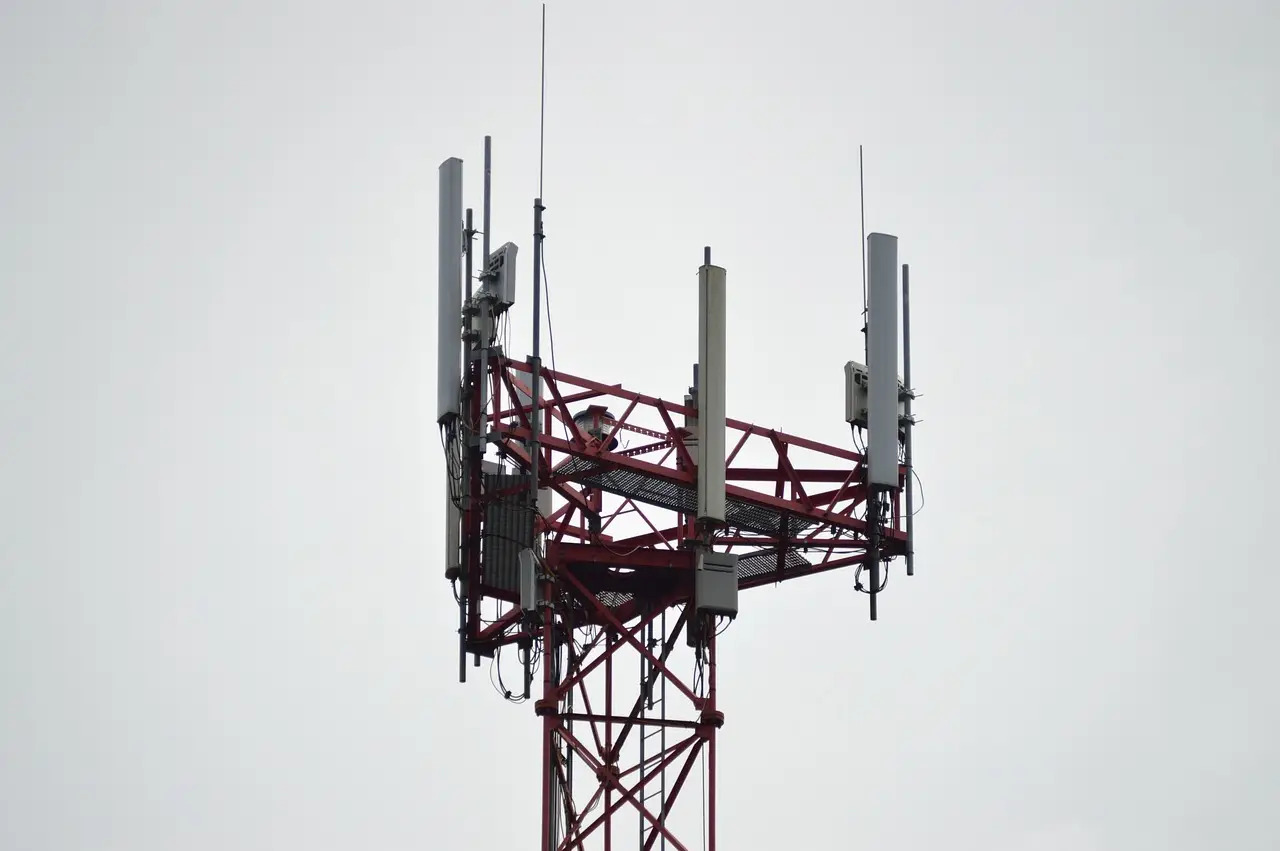 5G & 6G
Why it matters
- VodafoneThree is the first operator to deploy Ericsson's AIR 3266 Massive MIMO radio in a live network, in London.
- The rollout covers more than 10,000 sites plus the operator's core as part of an £11 billion network investment.
- The AIR 3266 weighs 16kg, supports TDD and up to 400MHz bandwidth; Ericsson claims at least 30% energy savings.
- Testing indicates a link-adaptation scheduler could lift downlink throughput 20% during congestion.
- VodafoneThree will trial the scheduler by end-March 2027 and deploy it over the rest of that year.
The story
VodafoneThree has become the first operator anywhere to deploy Ericsson's AIR 3266 Massive MIMO radio in a live commercial network, installing the unit in London as part of a wider standalone 5G build.
Ericsson confirmed the first-mover status. The deployment anchors a broader upgrade programme in which VodafoneThree will roll out Ericsson equipment across more than 10,000 sites, including the operator's core network. For radio planners, the significance is straightforward: a new mid-band Massive MIMO platform is now proven in a live TDD environment, not just in vendor demonstrations.
What does the AIR 3266 actually deliver?
The radio weighs 16kg in what Ericsson calls an ultra-slim body. That figure matters for site acquisition teams. Many existing UK rooftops and street works face physical constraints on wind load and cabinet space, and a lighter unit expands the pool of upgradeable sites without structural remediation.
On the radio side, the AIR 3266 supports TDD technology and bandwidth of up to 400MHz. The practical effect is higher spectral efficiency, which lets VodafoneThree extract more capacity from its existing mid-band spectrum holdings. That translates directly into additional standalone 5G throughput without buying new spectrum.
Ericsson also claims environmental gains: energy savings of at least 30% and a 50% reduction in embodied carbon compared with previously deployed systems. These are vendor figures, and operators will want to validate them against their own power metering, but the direction aligns with UK operator commitments on network energy intensity.
Where does the £11 billion fit?
Iain Milligan, network development and infrastructure director at VodafoneThree, framed the deployment within the operator's £11 billion network investment. He said deploying the Ericsson radio furthers that investment and prepares the operator for AI developments, including real-time network optimisation.
The AI angle deserves a hard look. Milligan's claim is that the radio layer becomes a data-rich foundation for AI-driven network operations, rather than an endpoint in itself. That distinction separates the commercial reality, a capacity and coverage upgrade, from the vendor's forward-looking positioning on AI.
A scheduler with a 2027 timeline
The announcement also includes a concrete scheduling function for link adaptation. Ericsson said testing indicates the feature could boost downlink throughput by 20% during periods of congestion. That is a meaningful number in busy-hour conditions, where mid-band cells most often hit their limits.
VodafoneThree plans to trial the scheduler by the end of March 2027 and deploy it across the network over the remainder of that year. The timeline gives competitors a reference point: any operator deploying comparable link-adaptation features will likely work to similar or earlier milestones.
What changes for the market?
For Ericsson, the VodafoneThree win delivers a reference deployment at scale, with more than 10,000 sites committed, in one of Europe's largest 5G markets. For VodafoneThree, formed from the merger of Vodafone UK and Three UK, the programme consolidates network modernisation under a single primary vendor and a common core.
The scheduler trial and full rollout through 2027 will be the next measurable checkpoint on whether the promised 20% congestion gain holds in live traffic.
Also reported
Source: Mobile World Live
More from Daniel Okafor
Show full bio
Senior reporter covering regulation, policy and their impact on Carrier business, 5G and 6G, fiber and broadband at Telecom Gazette.
466 articles