Networks & InfrastructureAvealtoHapsStratospheric AirshipsSatellite Backhaul
Stratospheric airship startup Avealto targets 80% cheaper backhaul than Starlink
Avealto claims its stratospheric airships can undercut Starlink backhaul by 80%, but has raised just $825,000 of a $50 million round to build its first three vehicles.
 Networks & Infrastructure
Why it matters
- Avealto claims airship backhaul will be 80% cheaper than Starlink or any LEO satellite service
- Each 100-meter airship covers a 150-mile diameter and supports 30-40 cell towers from 65,000 feet
- The startup seeks $50 million but has raised $825,000 in its current round, after $11.6 million in prior R&D funding
- First customer is Edotco, Axiata's infrastructure arm, under an MOU for deployment in Malaysia
- Rival Sceye flew New Mexico to Japan in September; SoftBank plans commercial HAPS services with it in 2027
The story
A UK startup claims it can deliver wholesale backhaul from unmanned stratospheric airships at 80% below the price of Starlink or any low-Earth orbit satellite operator. Avealto, founded in 2013 by veteran telecom entrepreneur Walt Anderson, is now trying to raise $50 million to turn that claim into hardware hovering over Malaysia.
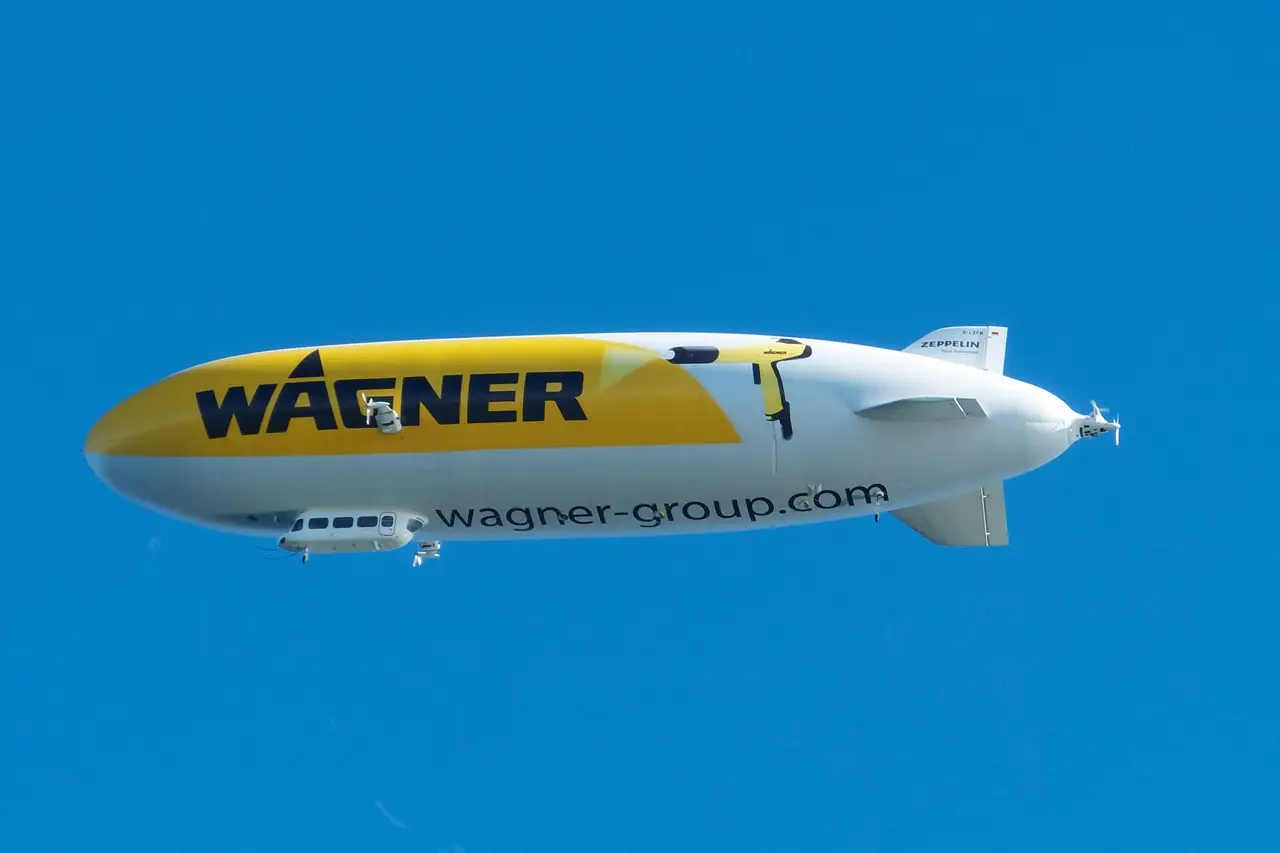
The company's helium-filled, solar-powered airships would fly at 65,000 feet and hold a stationary position for months. Each 100-meter vehicle would cover a 150-mile-diameter area through 16 spot beam antennas, supporting 30 to 40 cell towers from multiple operators. Anderson described the design as resembling the Goodyear blimp.
"We're going to offer service at a disruptive discount," Anderson told Light Reading. "That gives our customers the ability to buy from us, make a margin, and it gives the mobile operators the ability to make a profit operating towers in remote areas. They can't make a profit on satellite."
What is the business model?
Avealto is deliberately avoiding the direct-to-device market that attracts most HAPS hopefuls and many LEO players. Anderson called D2D "a small market that isn't going to fully close the digital divide." Instead, the company targets areas covered only by satellites, focusing on regions with more than ten people per square kilometer.
Its customer mix is expected to break down as follows:
- Mobile operators, around 60% of projected business
- ISPs and wireless ISPs
- VSAT operators seeking to compete with Starlink outside their coverage footprints
For spectrum, Avealto will use Ka- and Ku-band spectrum typically assigned to satellites, and will share mobile operators' terrestrial spectrum. Its first customer is Edotco, the infrastructure arm of Malaysian operator Axiata, which has signed a memorandum of understanding with the startup.
How much money does Avealto need?
The funding gap is the immediate obstacle. The $50 million target would fund a UK manufacturing facility, the first three full-size airships, and their deployment in Malaysia. So far the current round has attracted only $825,000. Earlier R&D funding totaled $11.6 million, of which Anderson personally contributed $3.2 million.
Anderson admits progress has been slower than planned. The company holds multiple patents and has refined a 17-meter test vehicle it has "tested to death," but it lacks capital for the first full-size commercial vehicles. A final test flight with the 17-meter craft is scheduled with the UK Civil Aviation Authority before the end of this year.
If funding arrives at a "reasonable" month-by-month pace, Anderson reckons the first two airships could enter service in Malaysia in roughly 23 months. He expects to fund subsequent vehicles through debt rather than equity, because each airship generates "profitable revenue from the day it starts."
Why do investors now take HAPS seriously?
Three developments have shifted the pitch, according to Anderson. First, SpaceX's IPO and the weight of Starlink revenue in it: "We no longer have to argue with investors about is there a market?" Second, US rival Sceye completed a roundtrip flight from New Mexico to Japan in September, and SoftBank plans commercial HAPS services with Sceye in 2027. Third, battery, solar panel, and flight-control software technologies have matured over the past decade.
Can airships succeed where others failed?
The track record is cautionary. No HAPS operator is delivering commercial services today. Google abandoned its Loon balloon project in 2021 after nearly a decade because running costs were too high. Airbus spun its Zephyr program into a subsidiary, Aalto, in 2022. Deutsche Telekom, a founding member of the HAPS Alliance, recently tested two aircraft in the Czech Republic.
Anderson's own record cuts both ways. He founded Mid-Atlantic Telecom in 1984, sold to Rochester Telephone in 1993 for $19 million, and co-founded Esprit Telecom, sold to Global TeleSystems for $850 million in 1998. He also briefly owned the Russian Mir space station through MirCorp before its deorbit in 2001. In 2007 he pleaded guilty to charges in one of the largest US tax evasion cases of the early 2000s and served seven years, ten months and two days, beginning preliminary work on Avealto before his release in December 2012.
"In the space field, I'm not a rational investor," Anderson said. "Avealto is a telecom investment, not a space investment." If the funding lands on schedule, the first airships could be carrying Malaysian backhaul traffic within two years.
Also reported
Original: space.com
More from Daniel Okafor
Show full bio
Senior reporter covering regulation, policy and their impact on Carrier business, 5G and 6G, fiber and broadband at Telecom Gazette.
596 articles