Vendors & EquipmentTeslaPowercoreSolid State TransformersData Center Power
Tesla targets data centers with 7.4MW solid-state transformer
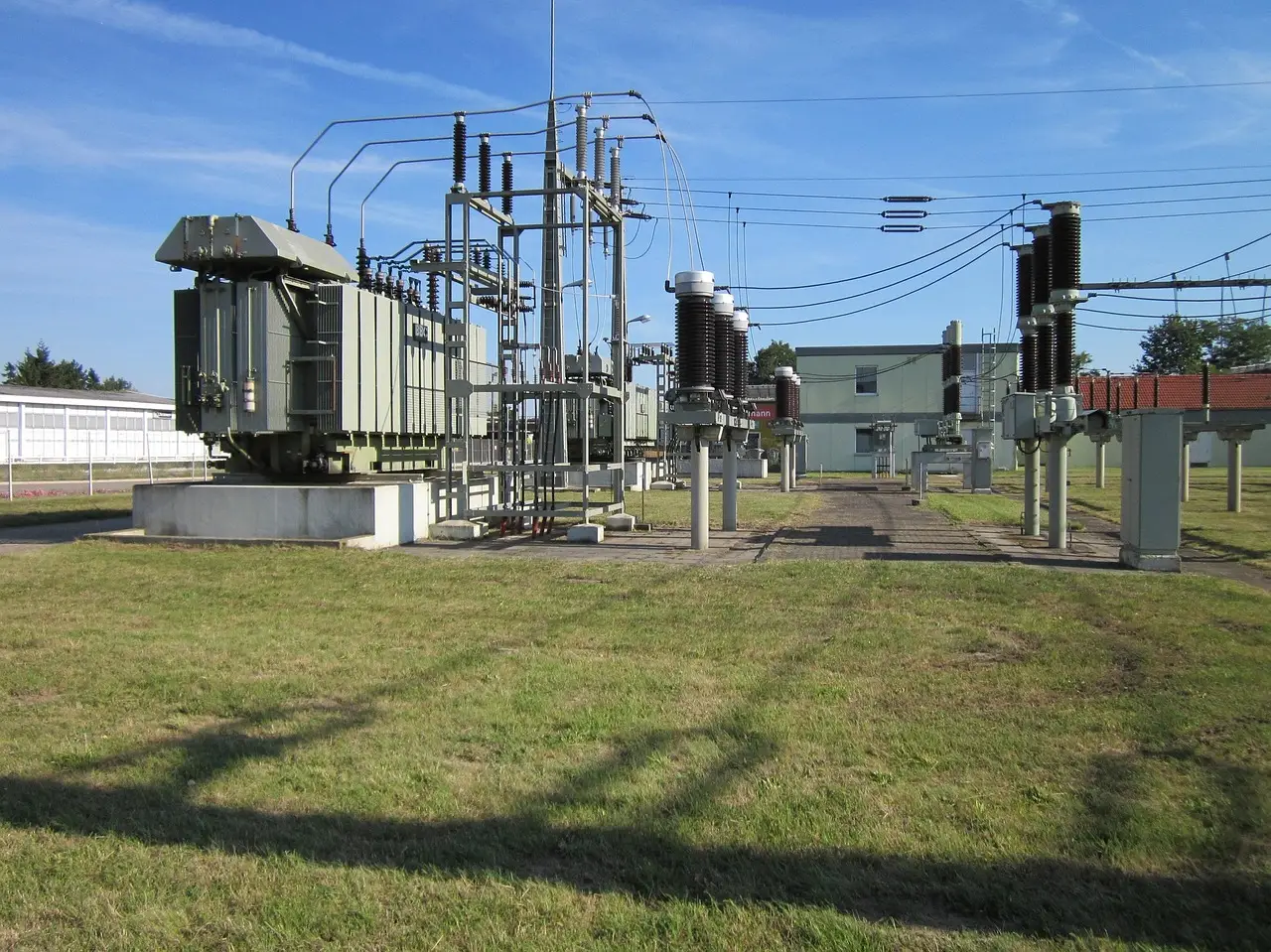
Tesla's Powercore combines a solid-state transformer, switchgear and inverter in one enclosure, delivering up to 7.4MW at 34.5kV AC and feeding racks at 800VDC in a single conversion.
 Vendors & Equipment
Why it matters
- Powercore delivers up to 7.4MW at 34.5kV AC, rated for 800VDC-2,000VDC inputs
- Tesla expects units to begin operating next year from its US facilities
- Built-in solid-state circuit breaker clears faults in 100 microseconds, per Tesla
- Conventional transformer lead times have stretched to as much as four years
- Tesla is seeking Nvidia DSX Ready certification; Megapack 2XL already qualified as of September
The story
Tesla has unveiled a medium-voltage power platform rated at up to 7.4MW, aimed squarely at data centers struggling with transformer lead times that now stretch to four years.
The system, called Powercore, combines a solid-state transformer, switchgear, and inverter in a single enclosure. Tesla rates it for 800VDC to 2,000VDC inputs and 10kV to 34.5kV AC operation, delivering up to 7.4MW at 34.5kV AC. For operators, that capacity covers roughly the load of a mid-sized AI training hall from one cabinet.
Tesla said it will manufacture the units at its US facilities, with the first deployments expected to enter operation next year. The company claims an operating range of -40°C to 55°C (-40°F to 131°F) and warranties of up to 25 years — a quarter-century frame that compares with the 20-to-30-year life typical of conventional dry-type transformers.
What does it change for data center power design?
The core engineering claim matters more than the brand. Powercore eliminates the multi-stage voltage step-down that most facilities use to feed racks. The system draws power directly from the medium-voltage feeder and outputs 800VDC to servers through a single conversion.
That is a direct fit with the industry's shift toward 800VDC rack architectures for high-density AI compute. Fewer conversion stages mean fewer losses and less equipment between the grid and the server.
Tesla is already working with Nvidia to certify Powercore under the DSX Ready program, which validates equipment for next-generation data centers. The credential is not new territory for the vendor: as of September, Tesla's Megapack 2XL was one of only three battery energy storage systems qualified under the program.
How do batteries fit in?
Powercore pairs with Tesla's Megapack batteries through grid-forming controls. The combination provides synthetic inertia and reactive power support to the host grid.
AJ Booth, Tesla's head of energy and charging, said the setup can smooth local voltage oscillations produced by dynamic data center loads.
"By adding a data center with Powercore and Megapack, we can provide a stiffer local grid and provide a more stable grid," Booth told pv magazine USA. "It's actually better than if you didn't put a data center there at all, which is the amazing thing that batteries can do for the grid."
That claim deserves separation from the spec sheet. Grid-stability improvement through battery-backed synthetic inertia is a real and documented capability, but Tesla's framing that a data center plus storage beats no data center at all is a marketing assertion, not a certified result.
How fast is the built-in protection?
Tesla claims Powercore includes the industry's first built-in solid-state circuit breaker, clearing faults in 100 microseconds. Booth said this lets the system interrupt faults "a thousand times faster than traditional equipment."
For electrical engineers, the implication is simpler protection coordination and less arc-flash energy during fault events, though the claim of an industry first carries the usual vendor caveat until independent testing emerges.
Why now, and who else is building these?
The commercial backdrop is the story. Conventional transformer supply chains have stretched to as much as four years amid massive demand from the data center buildout. Tesla is positioning Powercore as a way around those queues, banking on its own US manufacturing capacity.
Beyond data centers, Tesla proposes the platform for utility-scale solar, storage, and EV charging sites.
Tesla is also not alone. It is the latest vendor to unveil a medium-voltage SST system for the data center market, joining startups DG Matrix and Heron Power as well as legacy power equipment makers Eaton and Siemens.
For operators planning capacity, that means a competitive field is forming around an alternative to conventional transformers, with units from Tesla expected to begin operating next year.
Also reported
Source: datacenterdynamics.com
More from Daniel Okafor
Show full bio
Senior reporter covering regulation, policy and their impact on Carrier business, 5G and 6G, fiber and broadband at Telecom Gazette.
591 articles