Carriers & OperatorsTelikom PngDigicelTower SharingPapua New Guinea
Telikom and Digicel Sign PNG's Third Tower Sharing Deal in Two Months
Telikom PNG and Digicel PNG signed the country's third tower sharing deal in two months, as operators position for 5G spectrum awards still pending from NICTA.
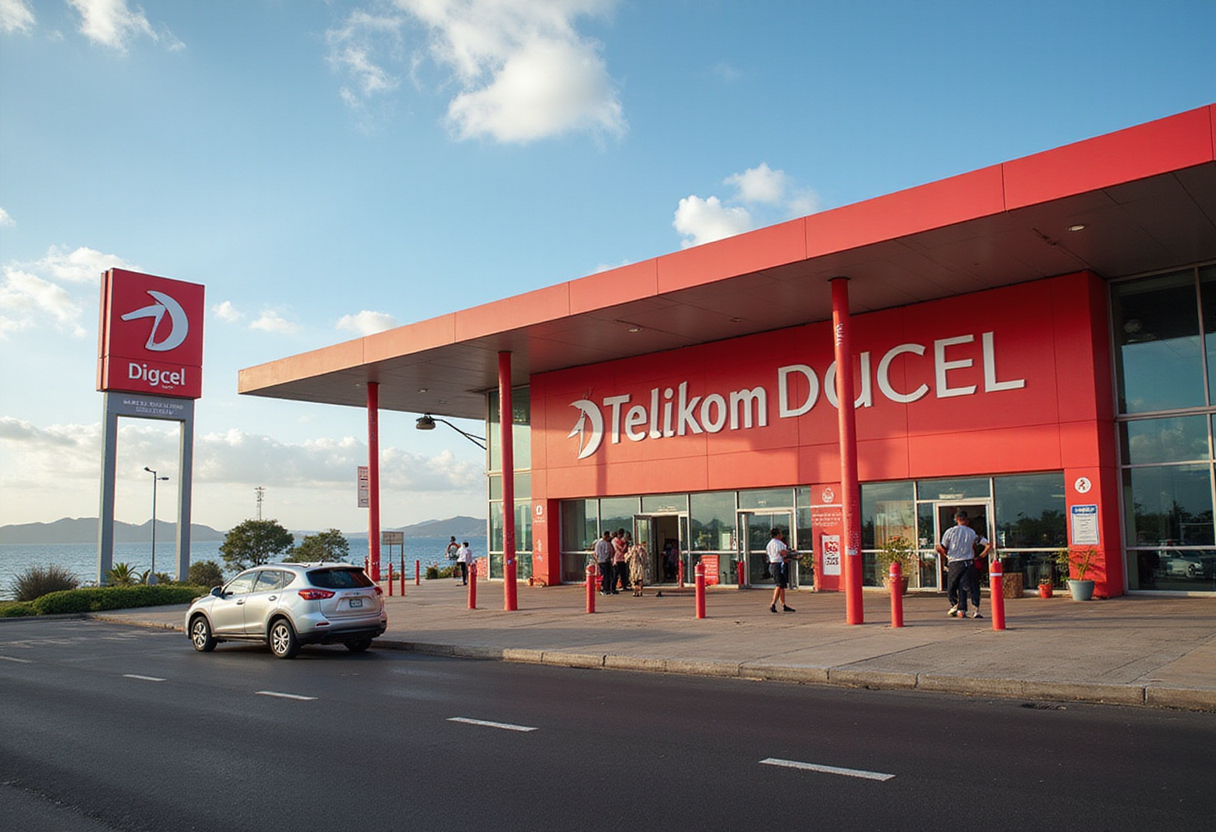 Carriers & Operators
Why it matters
- Telikom PNG and Digicel PNG signed a tower sharing licence agreement announced Thursday, the sector's third such deal in two months.
- Telikom signed PNG's first tower sharing deal with Vodafone PNG in August; Digicel PNG and Vodafone PNG followed in September.
- NICTA finalised its framework for 5G spectrum licences in the 2.6 GHz and 3.5 GHz bands in September but has not yet awarded licences.
- Digicel and Vodafone have been preparing for 5G rollouts for over two years.
- Telikom CEO Amos Tepi said the deal highlights industry collaboration in bridging PNG's digital divide.
The story
Telikom PNG has signed a tower sharing licence agreement with Digicel PNG, the third such deal in Papua New Guinea's telecoms sector within two months. The state-owned operator announced the agreement on Thursday.
The arrangement covers shared access to passive tower infrastructure. Both operators said it will enable faster and more efficient network expansion, improve coverage, reduce infrastructure deployment costs and increase connectivity for rural and underserved communities across their networks.
For practitioners, the practical effect is straightforward. Each operator gains access to the other's tower footprint without duplicating civil works in a country where terrain makes greenfield builds expensive and slow. Rural coverage economics improve for both parties at the same time.
What did Telikom's CEO say?
In a Facebook post, Telikom Limited CEO Amos Tepi framed the deal as evidence that industry collaboration can extend connectivity, support PNG's digital transformation and bridge the digital divide.
Tepi said the agreement "highlighted the importance of industry collaboration in extending connectivity and supporting PNG's digital transformation, as well as bridging the digital divide."
The claim is a commercial one from a party to the contract. The structural argument behind it, however, is sound: three bilateral sharing agreements in two months signal that PNG's operators now treat infrastructure sharing as standard practice rather than exception.
How did the tower sharing wave build?
The sequence started in August, when Telikom signed a tower sharing deal with Vodafone PNG. That was the first such arrangement in the country's telecoms sector.
Digicel PNG and Vodafone PNG followed with their own tower sharing licence agreement in September.
The Telikom-Digicel deal announced this week completes the triangle. All three of PNG's major mobile operators now hold sharing agreements with each other:
- Telikom PNG and Vodafone PNG, signed in August, the sector's first
- Digicel PNG and Vodafone PNG, signed in September
- Telikom PNG and Digicel PNG, announced Thursday
What does this mean for 5G in PNG?
The sharing agreements are expected to accelerate rollouts of 5G services across Papua New Guinea. Digicel and Vodafone have been preparing for 5G for over the last two years, according to the announcement.
The regulatory context matters here. Papua New Guinea's National Information and Communications Technology Authority (NICTA) finalised its framework to issue 5G spectrum licences in the 2.6 GHz and 3.5 GHz bands in September.
NICTA has yet to award those licences.
That gap defines the market's next constraint. Operators can share towers and prepare radio equipment now, but commercial 5G service depends on spectrum NICTA has not yet granted. The tower deals remove one bottleneck while the regulator controls another.
For vendors and infrastructure suppliers, the signal is equally clear. Shared towers mean fewer discrete builds but potentially faster activation once spectrum lands, which shifts demand toward radios, backhaul and integration work rather than new steel in the ground.
What comes next?
The industry now waits on NICTA. When the authority awards 5G licences in the 2.6 GHz and 3.5 GHz bands, the three operators will be positioned to activate services on already-shared infrastructure, with Digicel and Vodafone carrying two years of preparation into commercial launch.
Also reported
Source: Developing Telecoms
More from Daniel Okafor
Show full bio
Senior reporter covering regulation, policy and their impact on Carrier business, 5G and 6G, fiber and broadband at Telecom Gazette.
321 articles