Networks & InfrastructureQuantum Key DistributionPost Quantum CryptographyQuantum NetworkingNetwork Security
SQS Puts Toshiba QKD to Work in Albuquerque Managed Service
SQS is exchanging quantum keys across four live Toshiba-based nodes in Albuquerque and Mesa, with NIST post-quantum integration still underway and Colorado Springs and Brooklyn next in line.
 Networks & Infrastructure
Why it matters
- SQS operates two Toshiba QKD nodes in Albuquerque since September plus two more in Mesa, Arizona, with key exchange live at all four.
- Dual-layer encryption combining QKD keys with NIST post-quantum algorithms is still in integration at both live sites.
- GPS-independent quantum optical clock timing is live only in Albuquerque.
- Colorado Springs, Colorado and Brooklyn, New York are the next planned sites; no nodes deployed there yet.
- SQS named no paying customers; it has hosted hands-on sessions for US government evaluators and commercial prospects.
The story
Secured Quantum Services (SQS) is running live quantum key exchange on Toshiba hardware at four nodes across two US sites, with its first two Albuquerque, New Mexico nodes operating since September and a second pair in Mesa, Arizona, also exchanging keys today.
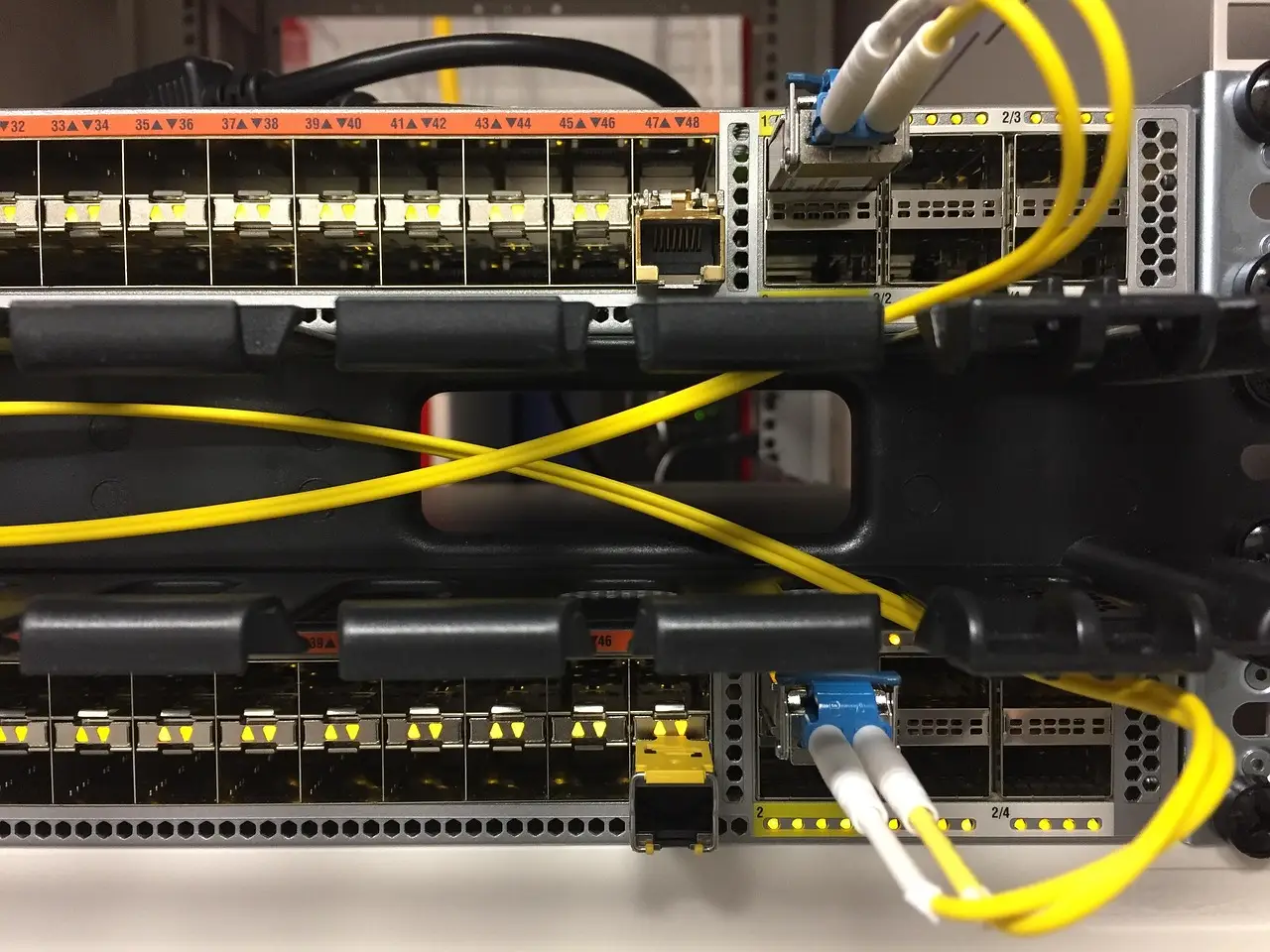
The Albuquerque deployment pairs Toshiba quantum key distribution (QKD) systems with Celestica network switches. It forms the foundation of a managed security service aimed at enterprises that want quantum-safe protection without assembling and operating multi-vendor equipment themselves. Customers connect their existing infrastructure to SQS nodes rather than buying and integrating quantum systems.
Key exchange runs at all four nodes. Quantum timing does not. The GPS-independent synchronization service, fed by a quantum optical clock, is currently live only in Albuquerque, according to the company's deployment ledger.
What does the service actually deliver today?
The commercial reality sits some distance from the full product sheet. SQS defines a site as live once its nodes exchange keys, not once every planned service works. The intended dual-layer encryption — quantum-delivered keys combined with National Institute of Standards and Technology (NIST) post-quantum algorithms for protected messaging between nodes — remains in integration at both live sites.
The transport model matters for practitioners. SQS platform documentation describes customer traffic passing through its nodes without requiring application changes. That removes the usual barrier to adopting quantum-safe networking: rewriting or reconfiguring enterprise software. If the integration completes as described, enterprises could layer post-quantum cryptography plus a separate QKD-derived protection onto existing traffic flows.
Timing is a second, distinct infrastructure play. The optical clock distributes synchronization without relying on GPS. SQS names financial markets, settlement systems and other distributed operations as intended users. For firms that currently depend on satellite timing, a fiber-delivered quantum alternative removes a known single point of failure and a known spoofing target.
Who is behind it and who is buying?
SQS founder and CEO Ray Schouten framed the value proposition around operational burden rather than quantum physics. "The hard part is the work nobody sees: integration, timing, uptime, keeping systems from different vendors running together in the field day after day," Schouten said.
That statement defines the managed-service model precisely: SQS, not the customer, carries responsibility for making Toshiba QKD, Celestica switching, optical-clock timing and NIST algorithms run together continuously. The deployment process starts with installing a node pair and establishing QKD between them, then integrates additional capabilities into the site.
The commercial pipeline remains early. SQS says it has hosted hands-on technical sessions for US government evaluators and commercial prospects, giving them access to the live deployment. The company did not name any paying customers in its announcement, so revenue traction cannot yet be verified against the technical claims.
How can an enterprise test it?
SQS proposes pilots scoped to a single customer system or data flow, with scope and acceptance conditions agreed before installation. Pilot results are then measured against those pre-agreed conditions. That structure gives prospects a defined evaluation gate: run one flow through the nodes, check it against agreed criteria, then decide on wider adoption.
For network and security teams, the pilot model lowers the commitment threshold compared with typical quantum-networking procurement, which has tended toward bespoke research deployments.
The deployment ledger lists Colorado Springs, Colorado, and Brooklyn, New York, as the next locations. Nodes are not yet deployed at either site, so the near-term test of the model is whether dual-layer encryption goes fully operational at the four live nodes before that footprint expands.
Also reported
Source: sdxcentral.com
More from Daniel Okafor
Show full bio
Senior reporter covering regulation, policy and their impact on Carrier business, 5G and 6G, fiber and broadband at Telecom Gazette.
596 articles