Networks & InfrastructureData CentersRenewable EnergyOff Grid InfrastructureClosed Loop Cooling
Viridis launches 100% renewable, off-grid data center plan
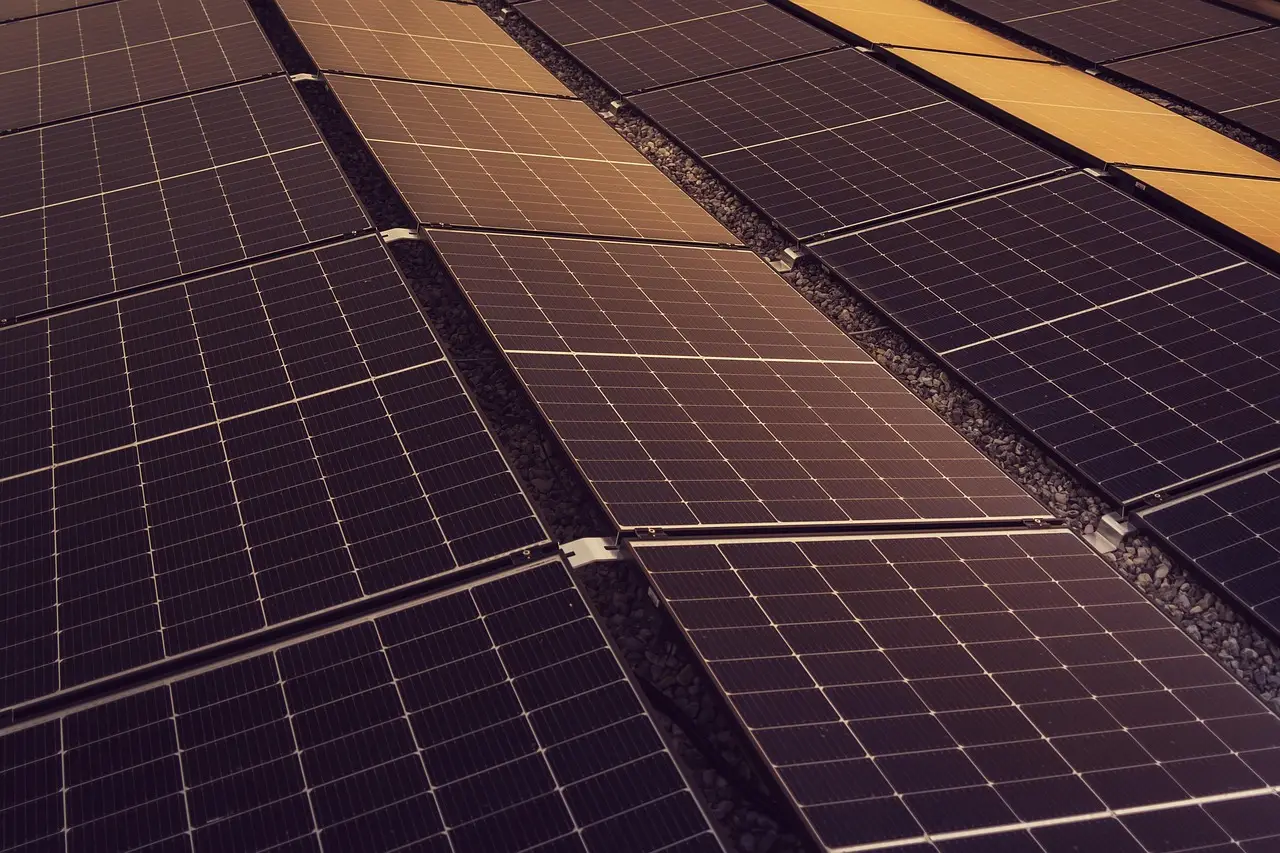
Viridis Data says its modular, off-grid data centers will run on 100% renewable power, but the private startup has yet to name a site, customer, capacity or deployment date.
 Networks & Infrastructure
Why it matters
- Viridis says its planned modular data centers will run on 100% renewable generation, prioritizing solar and using wind where suitable.
- The software would match workloads to available power, emphasizing peak solar hours and easing off when renewable output falls.
- Viridis plans phased deployments but has disclosed no module size, power capacity, capital figure, site or customer.
- The first data center node would follow advisory-circle formation and partner talks; no deployment date is set.
- Target markets are the UK and Europe; the privately held company has not disclosed its headquarters.
The story
By Elena Vasquez
Viridis Data says it has completed the design, model and economics work for a modular data center concept built around 100% renewable power. It has disclosed no site, capacity, customer or deployment date.
The startup would use modular units that prioritize solar and draw wind where suitable. Software would schedule work around available renewable supply, especially during peak solar hours, and ease off when output drops. Viridis says the design requires no new fossil-fuel generation capacity.
Founder and CEO Mohamed E. Louali tied the proposal to a collision between national AI ambitions and local resource concerns. He said:
Governments want the economic and strategic benefits of AI, and communities want to protect their bills, their water and their landscape. Right now, those two goals are colliding in Washington, Brussels, London and Dublin. We believe that conflict comes from how data centers are designed. We started with the problems and built the data center around them.
What has Viridis actually launched?
Viridis says the off-grid approach avoids increasingly lengthy grid-connection timelines and competition with households and other businesses for power. It also claims that using local climate conditions and sealed, closed-loop cooling can limit water consumption and local environmental effects.
The commercial structure is deliberately incremental. Rather than build one large facility around speculative demand, Viridis plans to deploy modular units in phases so supply follows usage. The model seeks to avoid upfront overbuilding, but Viridis has disclosed no module size, power capacity, capital figure, customer or opening date.
Viridis plans two delivery routes. It will develop sites under its own control and partner with organizations seeking additional capacity without the risks it associates with traditional projects. Under either arrangement, Viridis would design, build and operate the facilities; it has named no prospective partner.
Can the design deliver 100% renewable operation?
The company wants to tailor the model to the UK and Europe, where it says environmental and economic rules are emerging. “Tailored” remains imprecise at this stage: the announcement identifies no permitting regime, renewable-energy standard, cooling standard or certification for its 100% supply claim.
No completed deployment yet proves those claims. Viridis describes an operating design, not a built network, and its assertions about 100% renewable supply, avoided grid demand and limited water consumption remain company claims. The software scheduler and closed-loop cooling are the mechanisms intended to support them, but neither comes with disclosed test results.
Louali said every major economy was asking the same question: what makes a data center truly sustainable. He answered:
Our answer is a data center that does not need the grid, does not drain local water and does not need to be the size of a town. Countries should not have to choose between digital sovereignty and the communities that host the infrastructure.
Louali’s answer places digital sovereignty on one side and community impact on the other. Viridis says its off-grid, closed-loop design resolves that tension, but the launch evidence stops at design claims and a development timetable without dates.
When does the first node arrive?
Viridis reports that it has completed the development phase covering its thesis, design, model and economics. It is now assembling an advisory circle and talking with potential partners. It will develop and deploy its first data center node only after that work; no date accompanies the sequence, so the announcement does not support a near-term schedule.
The company remains privately held and has not disclosed its headquarters. Louali participated in the Y Combinator startup accelerator, according to his LinkedIn profile. Neither detail changes the immediate commercial position: the launch includes no operating site, contracted customer or delivered capacity.
The next test is whether Viridis can name a site and partner, then bring its first modular node online with measurable renewable supply, water use and workload-scheduling performance. Until those operating data exist, the launch establishes one design response to grid delays, but not proof that 100% renewable, low-water data center operation works at its first node.
Also reported
Source: datacenterdynamics.com
More from Elena Vasquez
Show full bio
Market editor covering companies, deals and strategy in Carrier business, 5G and 6G, fiber and broadband at Telecom Gazette.
568 articles