Telecom BusinessSba CommunicationsTowers6gShare Buybacks
SBA Communications Flags 6G, Buybacks and Growth at RBC Conference
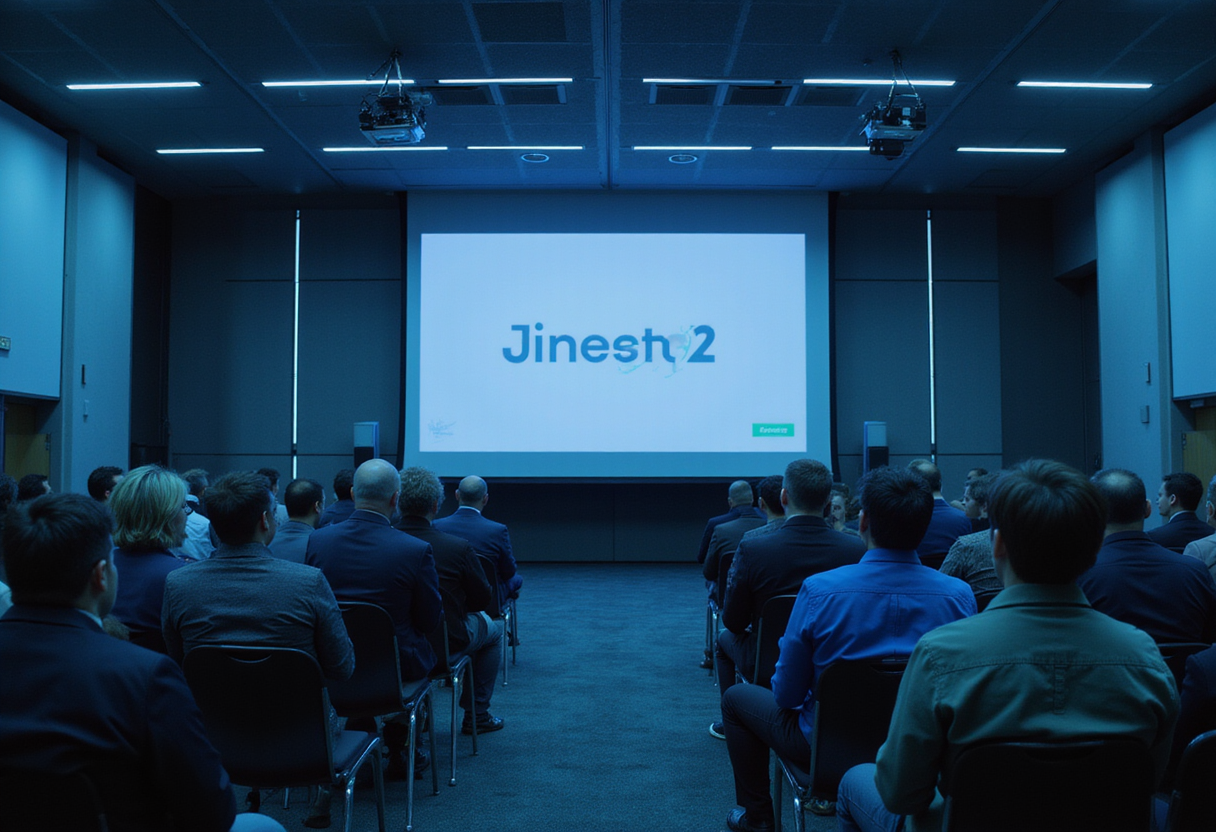
SBA Communications told an RBC investor conference that 6G, share buybacks and growth anchor its strategy, betting the next wireless cycle reinforces tower demand.
 Telecom Business
Why it matters
- SBA Communications presented at an RBC capital markets conference, citing 6G, buybacks and growth as its strategic themes
- 6G standardization is not expected to produce commercial deployments until around 2030
- SBA's buyback-led capital return model contrasts with dividend-focused tower peers
The story
SBA Communications used its appearance at an RBC capital markets conference to lay out an agenda that stretches from next-generation 6G wireless economics to continued share repurchases, positioning the US tower operator for a cycle in which carrier network spending is expected to accelerate rather than plateau.
The company's decision to put 6G on the agenda at this stage is notable in itself. The standard remains years away from definition, with the 3GPP not expected to begin serious 6G specification work before the second half of this decade and commercial deployments widely anticipated closer to 2030. For a tower real estate investment trust, however, spectrum and standards timelines matter early: each successive generation of mobile technology has historically pushed operators to densify their radio networks, add new antenna positions and extend leases on existing structures.
By engaging publicly with the 6G question now, SBA is signaling to investors that it expects the infrastructure demands of the next technology cycle to reinforce, not disrupt, its leasing model. That argument rests on the experience of previous transitions. The shift from 4G to 5G added mid-band massive MIMO radios to towers across the United States, increasing both equipment loading and lease amendment revenue for the major tower companies. SBA's management clearly intends investors to read 6G as a continuation of that pattern rather than a break from it.
Buybacks formed the second pillar of the presentation. Share repurchases have become a defining feature of SBA's capital allocation strategy, distinguishing it from peers that have prioritized dividend growth or large-scale portfolio acquisitions. A tower REIT returning cash through buybacks is effectively betting that its own shares are undervalued relative to the cost of acquiring new sites or building towers to fill coverage gaps. Sustaining that posture depends on stable domestic leasing revenue and disciplined spending on international assets.
The third theme, growth, ties the other two together. Tower industry growth in the United States has cooled from the peak years of early 5G rollouts, when carriers raced to deploy mid-band spectrum following the C-band auctions. Carriers have since shifted toward utilization and optimization, moderating new lease formation. Against that backdrop, SBA's growth discussion at the conference pointed to the levers the company can still pull: lease escalators built into existing contracts, amendments tied to network upgrades, and the longer-term prospect of carrier activity ramping again as capacity demand from fixed wireless access and data traffic growth continues to build.
The timing of the comments matters for how they should be read. Remarks at an investor conference are directed at shareholders, not at regulators or equipment vendors, and they inevitably emphasize the durability of the business model. The commercial reality behind the presentation is more nuanced: US tower leasing revenue growth has slowed industry-wide, and 6G-related equipment activity will not translate into meaningful construction revenue until carriers commit to spectrum and rollout schedules that do not yet exist. Investors weighing SBA's message must separate the structural case — every generation has needed more infrastructure — from the near-term picture of carrier budgets that remain tight.
Still, the structural case has history on its side. Every prior generational transition has expanded the amount of radio equipment hanging on towers, and nothing in current 6G research points to a topology that abandons elevated steel. If anything, discussions around higher-frequency spectrum bands and integrated sensing suggest densification pressure could intensify.
For SBA specifically, the combination of themes presented at the RBC event sketches a strategy of defending cash generation in a slow-growth phase, returning capital through buybacks, and preparing the investment narrative for the moment carrier spending turns. Management's framing suggests the company sees that turn coming with the 6G cycle, however distant, and intends to be positioned for it well before the first 6G antenna ships.
Also reported
Source: Google News: 6G network
More from Elena Vasquez
Show full bio
Market editor covering consumer brands and retail at Telecom Gazette.
94 articles