Vendors & EquipmentQualcommStarlink Mobile5gRadio Equipment
Qualcomm lands Starlink radio deal for tens of thousands of 5G cells
SpaceX picked Qualcomm for tens of thousands of U.S. 5G macro sites starting in 2027. The supplier is named, but pricing, subscribers, launch timing and handset support remain unresolved.
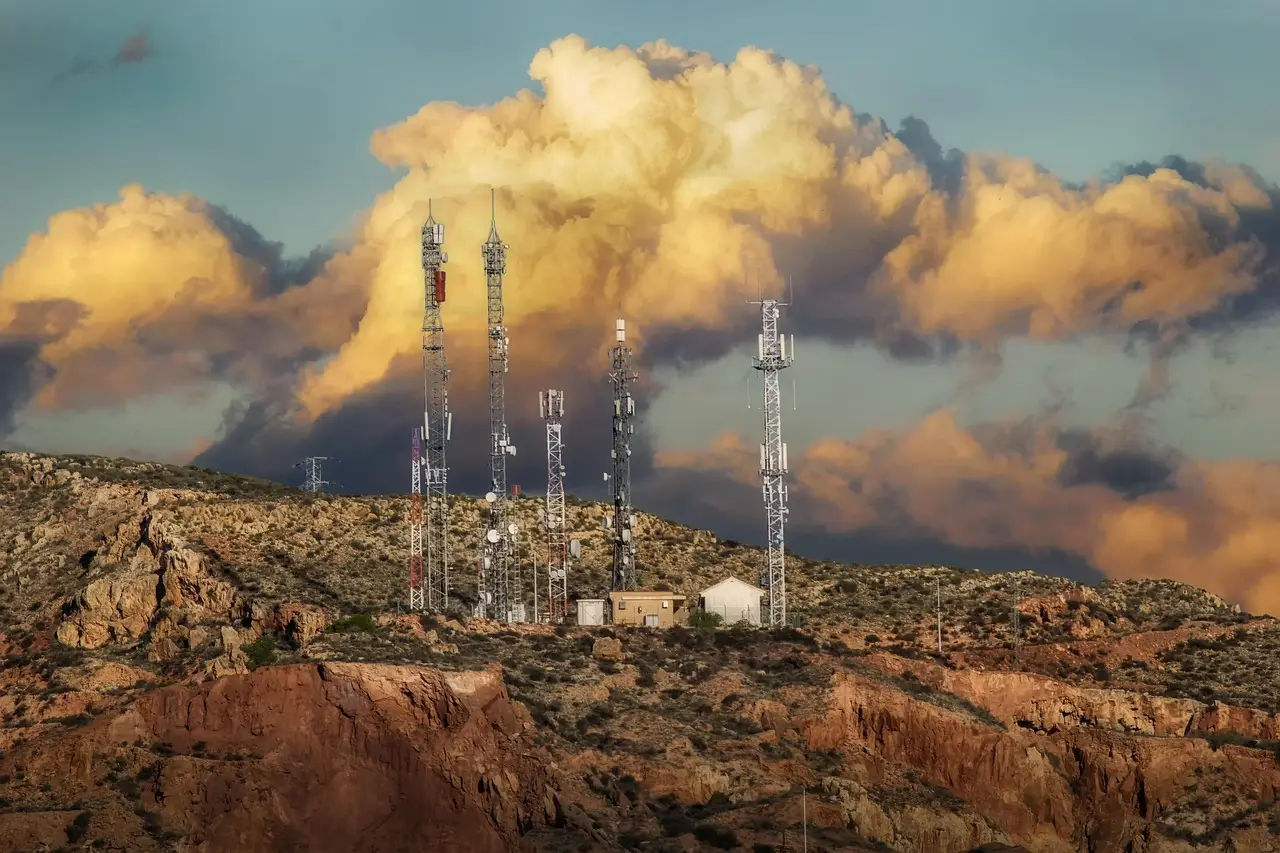 Vendors & Equipment
Why it matters
- Starlink Mobile will begin deploying tens of thousands of Qualcomm-powered 5G macro sites in 2027.
- The radio design uses 64 transmit and 64 receive paths at 2 GHz, where such Massive MIMO configurations are unusual.
- SpaceX acquired about 65 MHz of mid-band spectrum through a $17 billion EchoStar purchase approved by the FCC in May 2026.
- The FCC approved 15,000 next-generation direct-to-device satellites in October; about 650 first-generation D2D satellites have launched.
- Mobile Experts analyst Joe Madden estimates at least $100 billion for the combined network, including spectrum.
The story
By Rebecca Stone
SpaceX has selected Qualcomm to supply radio and baseband platforms for tens of thousands of cell sites in Starlink Mobile’s U.S. terrestrial 5G network; deployment will begin in 2027 under a multi-year agreement.
Qualcomm announced Wednesday that it will provide Dragonwing QRU100 radio units, QDU100 distributed units and commercial-grade Layer 1 software. Neither company disclosed financial terms or contractual guarantees. Qualcomm was due to report fiscal fourth-quarter earnings after Wednesday’s market close, which may add detail.
What exactly is Qualcomm supplying?
Qualcomm is providing a component platform, not turnkey cellular base stations. Durga Malladi, Qualcomm’s executive vice president for technology planning, said: “We don’t build the boxes. They have to build the boxes, but we provide all the components and everything that goes inside that box.”
Qualcomm controls Layer 1, which handles physical-layer signal processing. SpaceX handles Layers 2 and 3 and everything above them. Starlink Mobile will therefore buy silicon and foundational software while building its own base stations and core network.
Why does 2 GHz matter?
Malladi described the low-band deployment as: “What we have done is brought in 64T64R Massive MIMO radios in lower bands all the way down to 2 GHz, so that actually is a unique aspect. It’s an innovation from our side.”
The configuration combines 64 transmit and 64 receive paths, creating a 128-path antenna arrangement. Massive MIMO at that scale is routine in higher bands such as 3.5 GHz, but unusual at 2 GHz.
Qualcomm’s release mentions power efficiency per watt four times without publishing a measured value, comparison basis or field result. The engineering test will therefore come from real deployments, not the announcement.
Starlink Mobile’s spectrum position includes:
- Mid-band: About 65 MHz of licenses acquired from EchoStar in a $17 billion purchase that the FCC approved in May 2026.
- Low-band: An agreement to buy up to 14 MHz of 800 MHz spectrum from Grain Management, which would cover roughly 100% of the U.S. population. The amount available varies by county, from 4.85 MHz to 14 MHz.
SpaceX asked the FCC to approve the Grain Management purchase in October, so that low-band holding remained conditional. Extracting enough capacity from narrow mid-band channels is the central engineering challenge for the 2 GHz radio design.
Has the small-cell strategy changed?
In August, Elon Musk said Starlink would deploy many small base stations rather than expensive and difficult-to-locate large cellular base stations. He also suggested that rooftop Starlink dishes could carry phone traffic.
Qualcomm now describes tens of thousands of macro cells. Mobile Experts analyst Joe Madden told Axios that the agreement signals SpaceX’s commitment to traditional, high-powered infrastructure rather than small sites attached to broadband terminals. The hardware choice therefore points away from Musk’s earlier rooftop-dish concept, although neither company has formally published a revised network design.
The shift carries cost and timing consequences. A macro-cell build would cost more and take longer than the small-site model Madden attributed to Musk. Madden estimates SpaceX will spend at least $100 billion on its combined satellite and terrestrial network, including spectrum. That figure represents an external estimate, not a disclosed budget or an isolated price for the 2027 radio rollout.
What must happen before service starts?
The FCC approved 15,000 next-generation direct-to-device satellites in October. SpaceX says they will deliver more than 100 times the bandwidth of its current constellation, although the announcement provides no measured bandwidth or comparison methodology. Starlink Mobile has launched about 650 first-generation direct-to-device satellites so far.
The terrestrial incumbents are also moving. AT&T, T-Mobile and Verizon finalized a satellite joint venture last week. Their chief executives have dismissed the threat from Starlink, arguing that a competitive nationwide network requires years of development and enormous spending.
The Qualcomm agreement provides the first concrete construction signal for Starlink Mobile, rather than another uncommitted technology demonstration. Starlink Mobile now has spectrum, satellites and selected radio silicon. It still has no paying subscriber, no named launch market and no handset partnership that would enable phones to find the network.
The announcement also leaves the precise site count, geographic sequencing, capital spending, commercial pricing and minimum purchase commitments undisclosed, making the scale of the 2027 build harder to verify than the headline suggests.
For now, 2027 is the firm deployment date; the pending FCC spectrum decision, network investment, launch market and handset support will determine whether Starlink Mobile becomes a credible nationwide competitor.
Also reported
Source: Google News: 5G network
More from Rebecca Stone
Show full bio
Correspondent covering technology and product news in Carrier business, 5G and 6G, fiber and broadband at Telecom Gazette.
433 articles