5G & 6GQualcommSpacexTerrestrial 5gDragonwing
Qualcomm lands multiyear deal for SpaceX’s nationwide 5G build
Qualcomm’s multiyear deal puts Dragonwing hardware and Layer 1 software behind SpaceX’s plan for tens of thousands of U.S. 5G sites, with initial rollouts scheduled for 2027.
 5G & 6G
Why it matters
- Qualcomm secured a multiyear hardware and software agreement with SpaceX.
- SpaceX plans tens of thousands of terrestrial 5G cell sites.
- Initial network rollouts are scheduled for 2027.
- The radio design uses 64 transmit and 64 receive pathways.
- Qualcomm shares rose 1% in premarket trading after the announcement.
The story
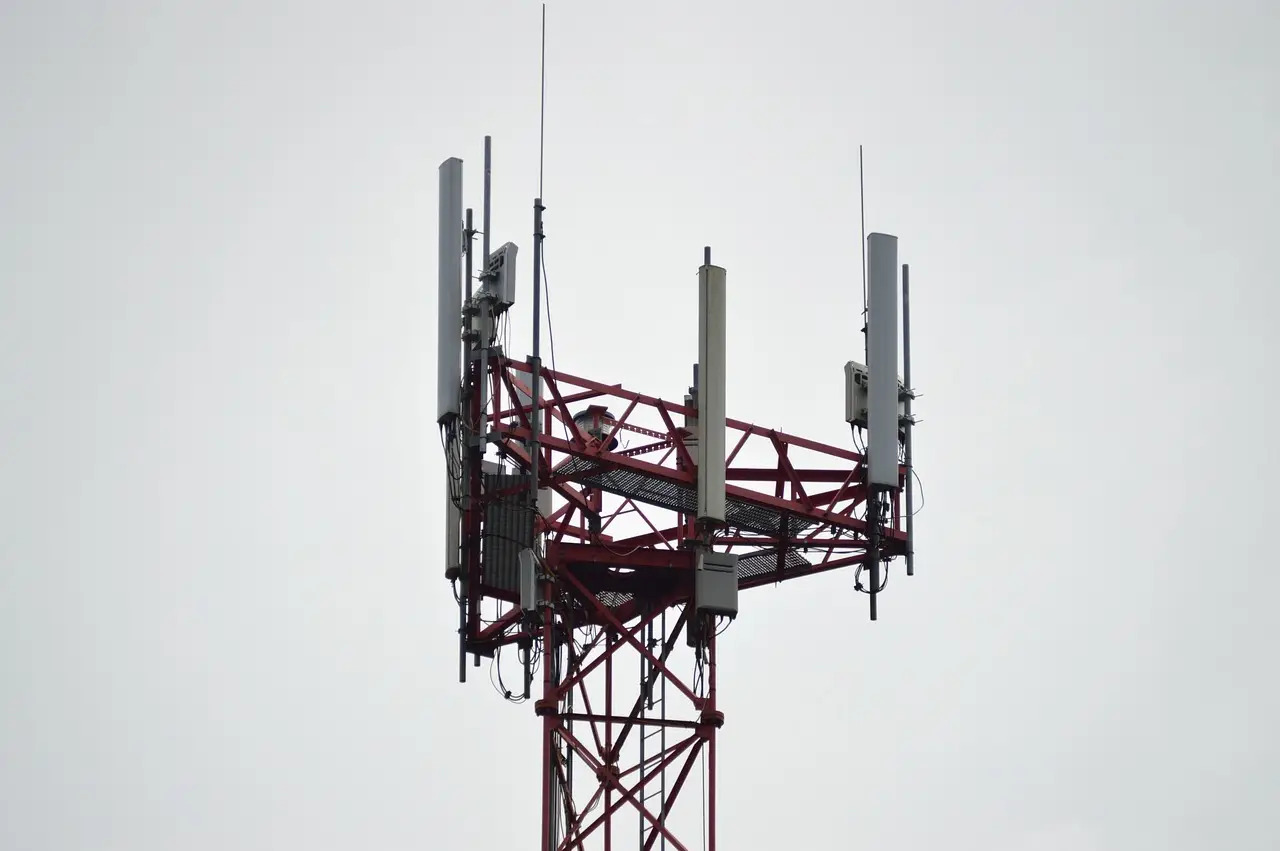
SpaceX plans tens of thousands of terrestrial 5G cell sites using Qualcomm’s Dragonwing platforms. Initial rollouts are scheduled to begin in 2027.
Qualcomm has secured a multiyear agreement to supply cellular infrastructure hardware and software for SpaceX’s planned nationwide terrestrial wireless network. The San Diego chipmaker becomes an anchor hardware provider for a next-generation distributed network. The agreement is a concrete step in Elon Musk’s plan to build a direct competitor to AT&T, Verizon and T-Mobile US.
SpaceX is pairing its orbital fleet with ground-based 5G towers, extending its wireless ambitions beyond satellite-to-cell connections. The stated hybrid design aims to mitigate cellular dead zones nationwide, backed by radio spectrum SpaceX previously acquired.
What has Qualcomm actually won?
The agreement gives Qualcomm’s networking and infrastructure division a foothold in a large planned network build. It also advances the chipmaker’s effort to diversify revenue away from a mature smartphone processor business.
Qualcomm’s package has three named elements:
- Dragonwing QRU100 and QDU100: cellular infrastructure platforms for the planned cell sites.
- Massive MIMO: 64 transmit and 64 receive pathways designed to improve capacity, coverage and spectral efficiency in high-density markets.
- Layer 1 software: commercial-grade software for baseband processing and network traffic management.
That breadth makes the agreement strategically useful. Qualcomm supplies both infrastructure hardware and operating software for a next-generation distributed network, rather than remaining a distant component vendor. It is a commercial win before any subscriber signs up, which is not a difficult trick in telecom.
How much capacity is planned?
Qualcomm presents the 64-by-64 Massive MIMO configuration as a way to maximize capacity, coverage and spectral efficiency, particularly in high-density markets. Those are stated engineering aims, not published field results.
The announcement provides no throughput figures, subscriber target, exact site count, deployment cost or pricing plan. It also gives no spectrum bands, FCC licensing milestones or local approval timetable.
That omission matters for a project described as nationwide. Tens of thousands of planned sites sound formidable on paper, but the announcement provides only one firm timetable: initial rollout in 2027. Everything from full build completion to commercial launch remains unspecified.
Where does 6G fit?
Qualcomm’s Layer 1 software will manage baseband processing and traffic for the terrestrial 5G network. The company positions the software as an operational foundation for a later transition toward future 6G standards.
That is a roadmap claim, not a 6G service announcement. No 6G launch date appears, and the agreement remains anchored in 5G hardware scheduled for 2027. Qualcomm is selling continuity between generations, while SpaceX is buying the building blocks for its planned nationwide terrestrial push.
SpaceX, identified in the announcement under Nasdaq ticker SPCX, is trying to combine orbital coverage with conventional 5G infrastructure. Qualcomm, listed as Nasdaq:QCOM, supplies the radio platforms and lower-layer software. The partnership therefore reaches farther than direct-to-device satellite service.
The hybrid model is intended to mitigate cellular dead zones nationwide, according to the project’s stated design. It does not yet demonstrate consistent throughput or ubiquitous service, because the announcement reports no field tests of those outcomes. The dead-zone claim remains an engineering objective until real coverage appears.
What should investors watch?
Qualcomm shares edged 1% higher in premarket trading after the announcement. The modest move suggests investors saw the agreement as another infrastructure foothold, not proof of immediate service revenue.
For AT&T, Verizon and T-Mobile US, the proposition is blunt: SpaceX wants to use acquired spectrum and ground-based towers to contest the same mobile market. The announcement provides no subscriber target or service pricing, so it demonstrates supplier commitment more clearly than consumer demand.
The next concrete checkpoint is whether initial sites actually switch on in 2027. Until contract value, spectrum allocations, licensing milestones, site numbers and subscriber plans emerge, SpaceX has a supplier and a schedule, not yet a demonstrated nationwide competitor.
Also reported
Source: Google News: 5G network
More from Amara Osei
Show full bio
News editor covering technology and product news in Carrier business, 5G and 6G, fiber and broadband at Telecom Gazette.
445 articles