Video & BroadcastPremier LeagueBroadcast RightsSaturday 3pm BlackoutSky Sports
Premier League’s 3pm blackout survives a record £6.7bn TV deal
The £6.7bn Premier League deal expands live coverage to as many as 270 matches, while the 3pm Saturday blackout remains protected and stadium demand stays strong.
 Video & Broadcast
Why it matters
- The four-year domestic deal is worth £6.7bn and covers up to 270 live matches from 2025-26.
- Sky Sports has at least 215 live matches, while TNT Sports has 52.
- The Saturday 3pm blackout dates to 1960; Match of the Day has run since 1964.
- Sky Sports carries all 10 final-day matches simultaneously; Amazon won none of the new packages.
- The agreement sets a UK sports-media rights record and runs one year longer than its predecessor.
The story
By Amara Osei
The Premier League’s new domestic television contract is worth £6.7 billion over four years and covers up to 270 live matches from the 2025-26 season. The deal expands live coverage sharply while preserving one commercial gap: Saturday fixtures kicking off at 3pm remain unavailable live on British television.
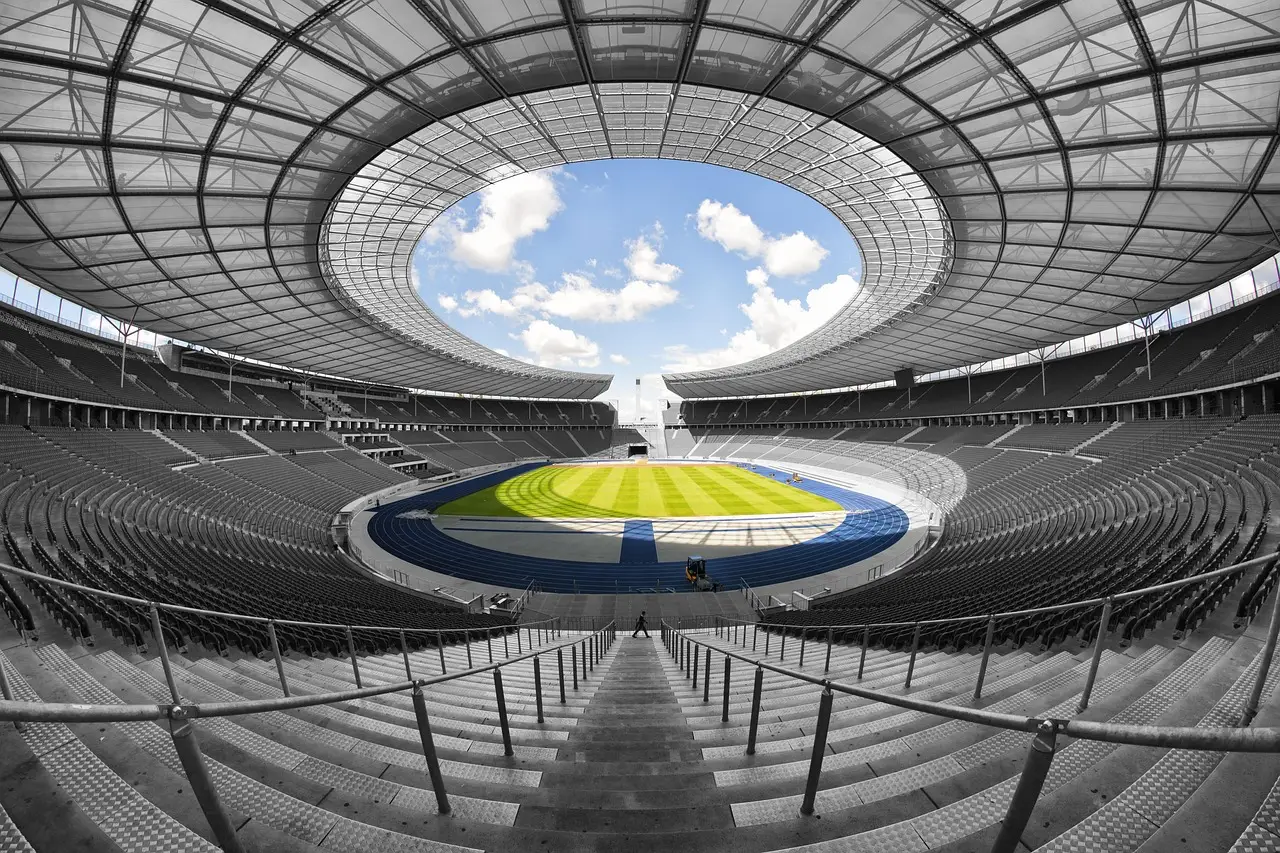
The blackout has applied since 1960. Thousands of supporters still enter grounds across England at that hour, but they cannot watch those games live on UK television. It is an unusual arrangement: a weekly sporting event with a protected off-screen window. The league’s chief executive cited full stadiums as one reason the competition remains valuable when announcing the deal. Commercial logic points in two directions.
How does the 270-match package divide?
Sky Sports has at least 215 live matches, including Sunday afternoon games, Friday and Monday-night fixtures and three midweek rounds. TNT Sports has 52, taking in the Saturday 12.30pm kick-off and two midweek rounds.
For the first time, every match outside the Saturday afternoon blackout is broadcast live in the UK. Sky Sports also carries all ten matches on the final day of the season simultaneously, while the BBC continues its Match of the Day highlights package, a programme running since 1964.
Amazon previously showed about 20 matches per season but won none of the new packages. The £6.7bn agreement sets a record for UK sports-media rights and runs one year longer than the contract it replaced.
More live television has not emptied the top of English football. Premier League grounds are routinely full, and demand for seats at larger clubs far exceeds supply. The old prediction failed, which is not often the broadcasters’ preferred outcome.
Does the blackout still protect attendance?
The league introduced the blackout to protect attendances, particularly at clubs further down the football pyramid. The case was direct: if every match appeared live at 3pm on Saturday, some supporters might stay home and watch their local club rather than attend.
The rule is league scheduling policy, not a technical limit on distribution. Television can carry those fixtures at other hours, as the new package shows. Broadcasters build their weekends around the restriction, using early and late Saturday kick-offs and moving most live games to Sunday.
Clubs and supporters plan travel around the same rhythm. The blackout works like a reserved seat: unavailable to broadcasters, but still valuable in the stands.
What changes for match-going fans?
The wider package creates a practical complaint. Matches selected for Sunday afternoon or Monday night can leave travelling supporters with a long journey home on a working night. Supporter groups have raised that concern with the league for years, so the issue is familiar even as the rights cheque has grown.
The compromise is that the 3pm Saturday slot survives. Fans who prefer the traditional kick-off can still get it every week, even when television selects their club more often for other fixtures. An SVG Europe summary of the agreement sets out how the packages divide the weekend.
That balance now forms part of the deal’s economics. Broadcasters receive almost every match, but their product depends on full grounds, loud crowds and the visual evidence of both. Without those elements, the matches would not look or sound as viewers expect.
Why does television still need people in the stands?
Wide shots of packed stands, close-ups of celebrating supporters and the sound of the crowd all help sell the event. The argument can sound circular until one considers the commercial reality: supporters watching at home cannot supply the atmosphere that appears in the broadcast.
Supporters still value seeing a game live because it offers something no broadcast can match, however many cameras it uses. The league sells that atmosphere as part of its product, and the atmosphere comes from the people attending. Their presence helps make every televised match work.
Can streaming break the blackout?
Repeated challenges to the rule have not succeeded, particularly as streaming has made enforcement harder. The league and the wider football pyramid still protect the restriction, which has outlasted several generations of television technology.
That leaves a durable arrangement. Broadcasters give up one window by design, while clubs and supporters retain a traditional fixture slot. Over the four-year contract, the league must preserve that balance if it wants record domestic rights value and the 3pm restriction to coexist. Streaming may complicate enforcement, but the protected Saturday window remains. Football can now be watched almost whenever. At 3pm on Saturday, it remains something else.
Also reported
Original: rts.org.uk
More from Amara Osei
Show full bio
News editor covering technology and product news in Carrier business, 5G and 6G, fiber and broadband at Telecom Gazette.
438 articles