Spectrum & PolicyUpper C Band SpectrumFcc Auction 115Spectrum Auctions5g And 6g
FCC Sets April 27, 2027 Start for Upper C-Band Auction 115
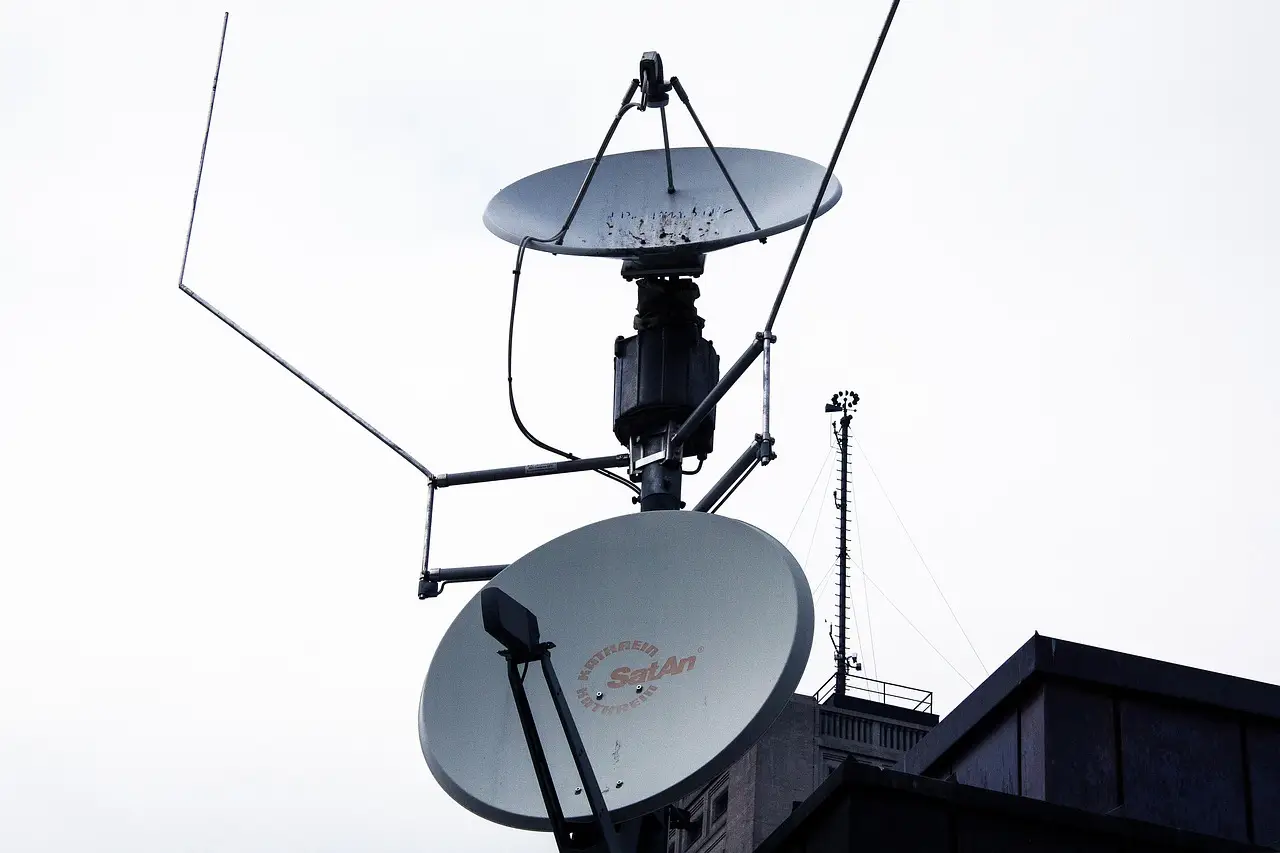
FCC Auction 115 opens April 27, 2027, selling 160 MHz of Upper C-band via 3,248 licenses, with SES and Eutelsat paid $6.1 billion combined to clear out by 2030.
 Spectrum & Policy
Why it matters
- Auction 115 bidding starts April 27, 2027, for 160 MHz of Upper C-band spectrum at 3.98–4.14 GHz.
- The FCC will offer 3,248 flexible-use licenses; short-form applications run Jan. 6–20, 2027.
- SES receives $5.6 billion and Eutelsat $504 million in gross incentive payments to vacate the band.
- Commercial mobile deployments in the top 75 U.S. markets can begin in December 2030.
- Combined with earlier clearing, the auction creates a contiguous 440 MHz mid-band block for 5G and 6G.
The story
Bidding for 160 MHz of Upper C-band spectrum opens April 27, 2027. That's the date the FCC has now locked in for Auction 115, which will sell 3,248 flexible-use licenses covering 3.98–4.14 GHz across the contiguous United States.
The schedule, adopted under Public Notice DA 26-1219, implements the FCC's July 2026 Upper C-band Report and Order led by Chairman Brendan Carr. That order allocated $5.6 billion in gross incentive payments to SES and $504 million to Eutelsat to vacate the satellite capacity. Combined with the 280 MHz of lower C-band spectrum cleared in earlier federal proceedings, the auction assembles a contiguous 440 MHz mid-band block for terrestrial 5G and 6G broadband.
The rules also carry aviation baggage, of the useful kind. The FCC developed technical provisions with the FAA to ensure coexistence with adjacent-band aviation safety systems — the fight that slowed the first C-band rollout won't get a rerun, in theory.
What must bidders do before the gavel?
The FCC has set a tight pre-auction runway:
- Short-Form Applications: The filing window opens Jan. 6, 2027, at 12:00 p.m. ET and closes Jan. 20, 2027, at 6:00 p.m. ET, with an application tutorial due by Dec. 11, 2026.
- Upfront Payments: Qualified applicants must pay by March 18, 2027, at 6:00 p.m. ET.
- Mock Auction: A dress rehearsal on April 21, 2027, six days before live bidding begins.
It's a conventional structure. What's less conventional is who isn't at the table: the broadcasters whose satellite distribution rides on this spectrum.
Why does this squeeze broadcasters?
Winning wireless licensees can activate commercial mobile networks starting in December 2030 across the top 75 U.S. markets. To make room, SES, Eutelsat and ground-segment operators must compress remaining media feeds into protected upper-band frequencies, reconfigure head-end architectures and install ground-station filtering hardware.
As C-band transponder capacity narrows, television networks, local stations and radio programmers face mounting operational and financial pressure. The alternatives on the table are hybrid IP delivery networks, terrestrial fiber links and Ku-band backup capacity to keep programming on air. In plain terms: the pipe that has carried American TV and radio for decades is shrinking on a regulator's clock.
What happens after the auction?
Clearing deadlines land in December 2030 and 2031. Hitting those milestones determines full incentive payment eligibility under the FCC's reimbursement framework — miss them, and the money gets complicated. The same deadlines dictate how fast broadcasters must retire legacy C-band reception infrastructure across North America.
So the sequence is fixed: applications in January 2027, bidding in April, networks live by December 2030, and satellite operators paid in full only if the ground stations are filtered and the transponders moved on time. Wireless carriers get their mid-band; broadcasters get a migration project they didn't order. The FCC, for its part, has put every date in writing — everyone else now has roughly three years to hit them.
Also reported
Source: satnews.com
More from Amara Osei
Show full bio
News editor covering technology and product news in Carrier business, 5G and 6G, fiber and broadband at Telecom Gazette.
572 articles