Spectrum & PolicyC BandSpectrum AuctionFcc5g
FCC Sets April 2027 Auction for 160 MHz of Upper C-Band
FCC locks Auction 115 for April 27, 2027: 160 MHz of Upper C-band, 3,248 licenses, and satellite operators out of the band by December 2030.
 Spectrum & Policy
Why it matters
- FCC Auction 115 begins April 27, 2027, selling 160 MHz of Upper C-band (3.98–4.14 GHz) for 5G.
- Incumbent FSS operators in PEAs 1-76 must vacate by Dec. 30, 2030; remaining markets by June 30, 2031.
- 3,248 new flexible-use licenses will be offered across the lower 48 states.
- Application window runs Jan. 6-20, 2027; the One Big Beautiful Bill Act required at least 100 MHz auctioned by July 2027.
- Winning bidders fund incumbent relocation costs, incentive payments and clearinghouse administration.
The story
The FCC will auction 160 MHz of Upper C-band spectrum on April 27, 2027, and has ordered incumbent satellite operators in the top 75 U.S. markets to vacate the band by December 2030. The public notice, adopted Friday, sets the final schedule and formal procedures for Auction 115, covering the 3.98 to 4.14 GHz portion of the C-band for 5G mobile broadband.
Bolt that spectrum onto the 280 MHz of Lower C-band frequencies the FCC sold in 2020 and you get what the commission calls a harmonized "super band." The sale also discharges a statutory duty: the One Big Beautiful Bill Act, signed into law last year, required the FCC to auction at least 100 MHz of Upper C-band by July 2027. The commission cleared that bar with room to spare.
FCC Chairman Brendan Carr framed the move in familiar terms. "Our spectrum abundance agenda continues to fuel the American economy by ensuring cutting-edge industries from space to IoT, and 5G to drones, have the wireless resources they need to grow, innovate and excel," he said in a statement.
What does the auction actually look like?
The application filing window opens January 6 and closes January 20, 2027, with bidding starting April 27. The auction runs in two phases: an ascending clock format for generic license blocks, followed by an assignment phase to settle frequency-specific licenses.
Altogether, 3,248 new flexible-use licenses will be available across the lower 48 states. Winning bidders can launch terrestrial wireless services in December 2030 in the top 75 markets and in July 2031 everywhere else, under rules the FCC adopted in July.
Clearing the band means repacking incumbent satellite operations into the remaining 4.16 to 4.2 GHz portion, with a 20 MHz guard band at 4.14 to 4.16 GHz to shield continuing satellite work from interference. The migration schedule is two-tier, sorted by Partial Economic Areas:
- Dec. 30, 2030 (Primary Transition Deadline): incumbent FSS operations in PEAs 1 to 41 and 43 to 76.
- June 30, 2031 (Final Transition Deadline): all remaining contiguous U.S. markets, covering PEAs 77 to 211, 213 to 263, 265 to 297, 299 to 359 and 361 to 411.
Winning bidders will foot the migration bill. They must pay their allocated share of reimbursing eligible incumbents for the reasonable and necessary costs of moving existing FSS C-band services out of 4.0 to 4.16 GHz, fund incentive payments to satellite operators that meet clearing deadlines, and cover administrative costs for the Upper C-band clearinghouse and a potential relocation coordinator.
Who is unhappy, and why?
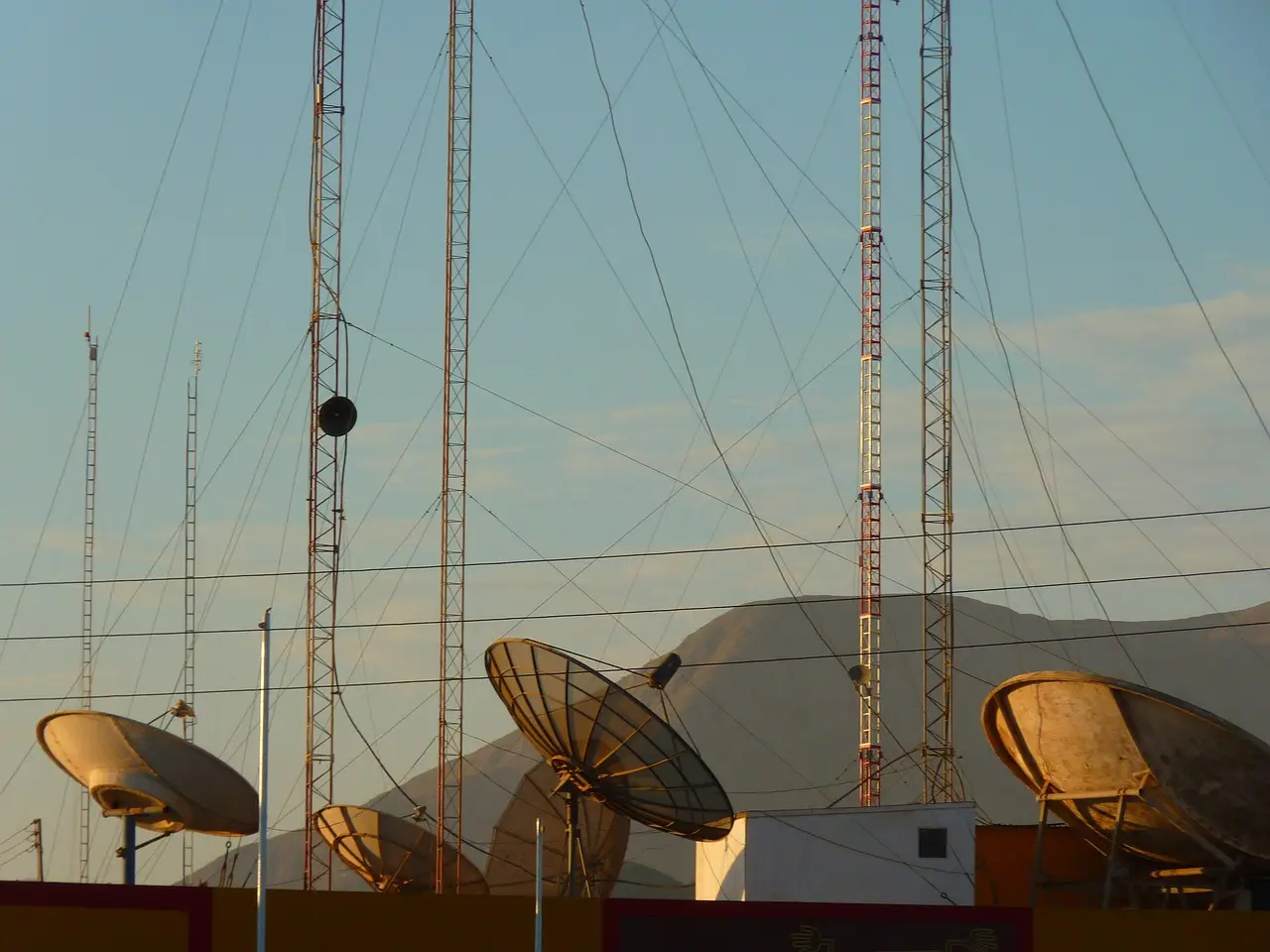
Plenty of radio and TV stations still use C-band receive dishes in the 3.98–4.2 GHz range for news and syndicated programming. They are not sharing the commission's enthusiasm, particularly after the Lower C-band migration six years ago.
E.W. Scripps, in recent filings, echoed National Association of Broadcasters warnings that the FCC's proposed cost catalog and reimbursement framework are "incomplete" and lean on outdated 2020 pricing that underestimates station expenses. iHeartMedia argues the coming conversion will be far more complex than the 2020 Lower C-band effort.
The FCC also declined a request from commenter Michael Ravnitzky to compile a consolidated summary of known incumbent sites, clearing timelines and continuing satellite operations. "We do not believe that the commission should substitute its own synthesis of those materials for the independent investigation and analysis that prospective bidders are expected to undertake," the commission wrote. Bidders, in short, get to do their own homework.
The broadcasters' cost fight will play out in reimbursement filings well before the first carrier lights up the band. Carriers, meanwhile, now have a firm date: applications in January 2027, bidding in April, and usable spectrum in the top markets from December 2030.
Also reported
Source: tvtechnology.com
More from Amara Osei
Show full bio
News editor covering technology and product news in Carrier business, 5G and 6G, fiber and broadband at Telecom Gazette.
553 articles