Networks & InfrastructureBlue OriginNew GlennAmazon LeoSatellite Broadband
Blue Origin delays New Glenn debut to January 2027
Blue Origin delayed the first New Glenn launch to January 2027 after a May pad explosion, leaving Amazon Leo broadband satellites among a long queue of clients awaiting New Glenn missions.
 Networks & Infrastructure
Why it matters
- Blue Origin moved the first New Glenn launch to January 2027 from a hoped-for December 2026 slot.
- A May 2026 explosion and fire on the launch pad caused the setback.
- CEO Dave Limp said Blue Origin had abandoned resuming launches before the end of 2026.
- Blue Origin traced the explosion to an oxygen valve on one BE-4 engine.
- Amazon Leo broadband satellites are among a long queue of clients seeking New Glenn launches.
The story
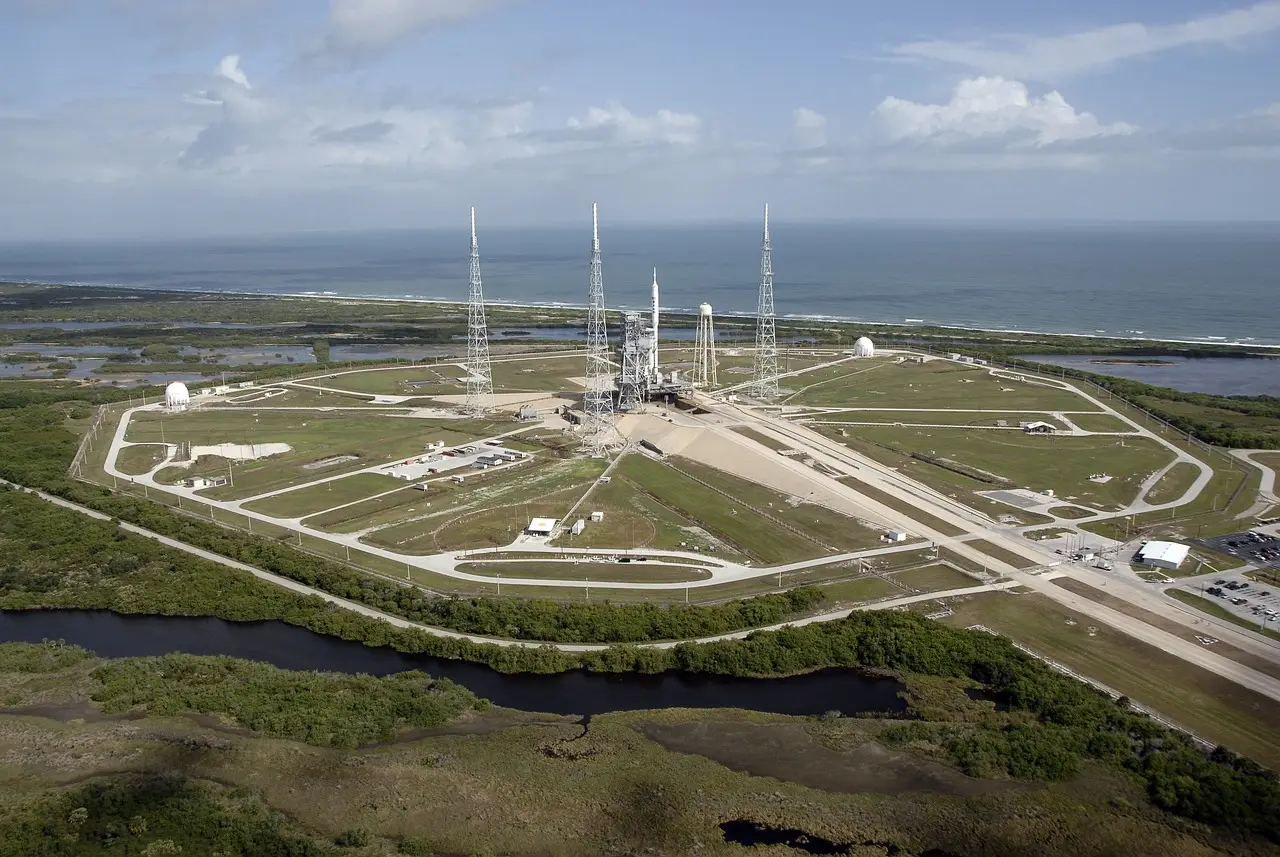
Blue Origin will not launch the first New Glenn rocket until January 2027, moving a hoped-for December debut beyond year-end after a catastrophic explosion and fire on its launch pad in May 2026.
The Jeff Bezos-backed company confirmed the change in an internal memo to employees from CEO Dave Limp. Blue Origin has abandoned its previous goal of resuming launches before December 31, 2026, while a long queue of satellite clients continues to wait.
What caused the delay?
Blue Origin traced the May explosion to an oxygen valve on one of New Glenn's BE-4 engines. Since then, the company says it has spent months rebuilding the pad and redesigning launch operations.
Limp said rebuilding the pad and its associated technology "had not been easy." That is restrained language for a failure that forced another reset. The December launch, once hoped for, has given way to a wait beyond the end of 2026.
How firm is the January schedule?
January 2027 is now the stated launch window, although Blue Origin has not specified a day. The December plan was a hope; January is the company's schedule. For satellite customers, the distinction is practical: a hoped-for ride is not a deployment date, while January remains contingent on the pad work and operating changes.
The announced timetable provides neither a narrower milestone nor a named payload list. It also gives no indication of how quickly months of reconstruction can become a successful first launch. A month on a calendar is not a completed launch.
Is this another setback for Blue Origin?
Yes, on the timetable. The delay leaves Bezos's rocket company further behind Elon Musk's SpaceX, extending a competitive gap rather than narrowing it.
The setback also appears operational and technical, not regulatory. Blue Origin cites the oxygen valve, months of pad reconstruction and a redesign of launch operations.
It identifies no licensing, regulatory or standards decision as the obstacle. For a telecom audience, that keeps the immediate question narrow: when will New Glenn fly again, and which satellite payloads will be ready when it does?
Where do Amazon Leo and other payloads stand?
A long queue of clients is looking to launch satellites on New Glenn, including Amazon Leo broadband satellites from Bezos's sister company, Amazon. The information does not specify how many Amazon Leo satellites are in the queue, which mission they would share or their launch dates.
That leaves a practical gap for broadband ambitions. New Glenn has a customer queue, but the new schedule does not yet translate into firm dates for those payloads. The queue has gained distance, not certainty.
A January launch would be the next major step, not proof that every queued satellite has a confirmed slot. Blue Origin must complete its pad and operational work before those customers can treat the plans as deployment timetables.
What should customers watch next?
Blue Origin's next demonstration will come in January 2027, if it can launch after months of rebuilding the pad and redesigning launch procedures. The company has set a month, not a date, and its satellite queue already includes Amazon Leo.
For Amazon Leo and the rest of the queue, January 2027 is the next checkpoint on the New Glenn schedule. Another slip would push the first New Glenn launch into the following year and place those payloads further out. Blue Origin can rebuild all the infrastructure it likes; satellites still need a rocket that leaves the ground.
Also reported
Source: Advanced Television
More from Amara Osei
Show full bio
News editor covering technology and product news in Carrier business, 5G and 6G, fiber and broadband at Telecom Gazette.
465 articles