Video & BroadcastYoutubeConnected TvCo ViewsAudience Measurement
YouTube to Inflate TV View Counts with Estimated 'Co-Views'
YouTube will add estimated 'co-views' to public metrics for TV playback, lifting view counts and watch times while leaving ad revenue and YPP thresholds untouched.
 Video & Broadcast
Why it matters
- YouTube will count multiple viewers per TV playback using estimated 'co-views' for long-form, Shorts and Live videos
- The estimates come from a 'privacy-safe statistical model' using demographic patterns and viewing times, not cameras or microphones
- Co-views will not affect ad revenue, AdSense payouts or YouTube Partner Program thresholds, which stay based on Qualified Views and Watch Hours
- The co-view parameter will not be applied retroactively to existing videos
The story
By Daniel Okafor
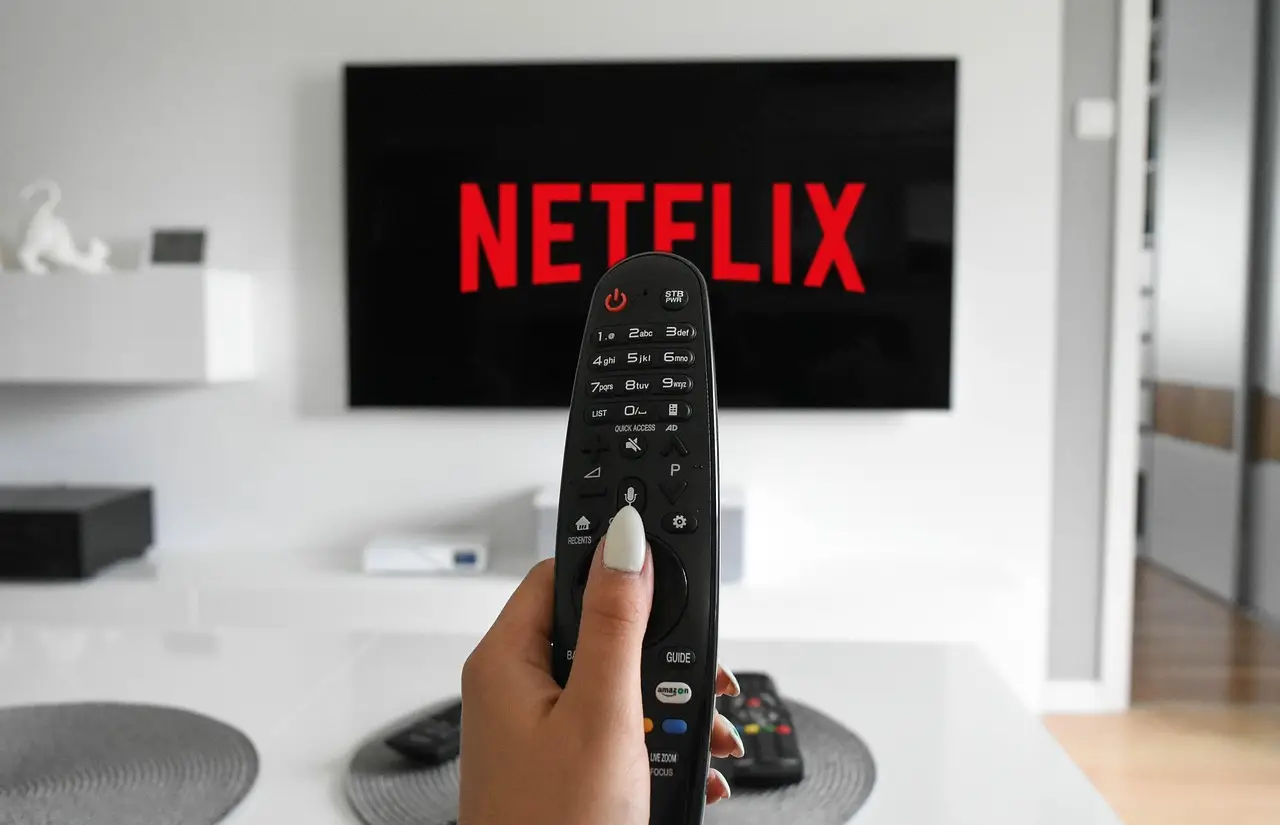
YouTube will start counting more than one viewer for a single TV playback. The platform announced the change in an X post from YouTube Creator Insider. The new "co-view" estimates will lift public view counts and watch times for long-form videos, Shorts and Live content watched on connected TV sets.
The move matters for telecom and video practitioners because connected TV has become the fastest-growing screen for YouTube consumption, and measurement standards increasingly determine how advertisers and creators allocate budgets against that inventory. YouTube itself framed the change in broadcast terms.
What does the new metric actually measure?
The platform believes it has been undercounting audiences in group-watching situations, such as a household watching one stream together in a living room. The stated goal is to align "with TV industry standards — including how traditional broadcast and streaming networks estimate the total number of people exposed to content," according to the post from YouTube Creator Insider.
In other words, YouTube wants its numbers to look like Nielsen-style reach estimates rather than device-level counts.
How will YouTube estimate co-views?
The platform addressed the obvious privacy question head on. It will not use "devices, cameras, microphones or anything like that."
Instead, co-views will be produced by a "privacy-safe statistical model" that draws on signals such as demographic patterns and viewing times, calibrated against real-life testing data. YouTube did not disclose further methodology details, so practitioners should treat the estimates as a black-box figure rather than an audited count.
The model outputs affect public-facing metrics only. The co-view parameter will not be applied retroactively to videos already published.
What changes for creators — and what does not?
The practical effects split cleanly into two columns.
What changes:
- Higher public view counts on TV-placed views
- Higher public watch-time figures for the same views
- More audience data to guide channel strategy and brand pitches
What does not change:
- Ad revenue
- YouTube Partner Program eligibility thresholds
- AdSense payouts
YouTube drew the line explicitly. "Co-views don't impact ad revenue or YPP thresholds," the post from YouTube Creator Insider stated. "Creator earnings, AdSense payouts and YouTube Partner Program eligibility remain based on Qualified Views and Watch Hours."
Commercial reality versus the bigger number
Creators should read the change carefully. A larger public view count can strengthen sponsorship negotiations, where brands often benchmark against displayed metrics, but it delivers no direct income from YouTube's own monetization systems. Payments still ride on Qualified Views and Watch Hours, the same thresholds and calculations as before.
For operators and streaming teams, the shift matters for a different reason. As connected-TV viewing grows, platforms compete with broadcast networks on comparable audience currencies. Aligning YouTube's public numbers with TV industry estimation practices makes the platform easier to buy against in living-room contexts, where a single stream often serves several people. That is a measurement play, not a monetization play.
YouTube did not publish a launch date, rollout timeline or the size of the expected uplift, so the scale of the adjustment remains unknown. Watch the next Analytics refresh to see how far TV view counts move once the model goes live.
Also reported
Source: engadget.com
More from Daniel Okafor
Show full bio
Senior reporter covering regulation, policy and their impact on Carrier business, 5G and 6G, fiber and broadband at Telecom Gazette.
582 articles