Video & BroadcastVirtual ProductionPtz Cameras4k BroadcastAugmented Reality
wTVision Qualifies NEOiD PTZ 4K Cameras for Virtual Set Production
wTVision has qualified NEOiD PTZ 4K Broadcast cameras for its wVSet virtual set and AR platform, using built-in FreeD tracking to remove external tracking hardware from multicamera studios.
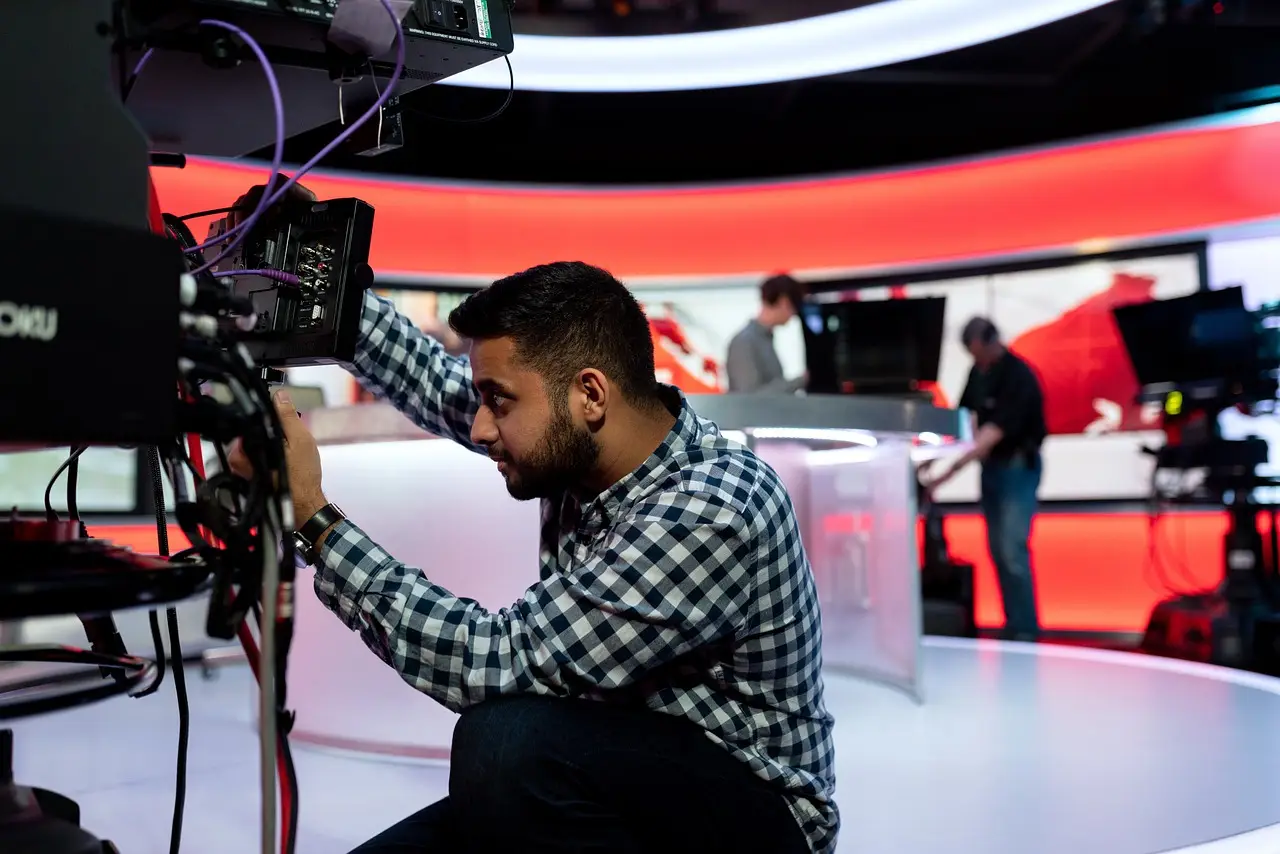 Video & Broadcast
Why it matters
- wTVision completed integration and qualification of NEOiD PTZ 4K Broadcast cameras with its wVSet virtual set and AR platform.
- The NEOiD PTZ 4K Broadcast carries a 4/3-inch Sony CMOS sensor, 4K capture up to 60 fps and 20x optical zoom.
- Tracking data flows via the industry-standard FreeD protocol over a dedicated local network, eliminating external tracking devices.
- Each multicamera channel delivers real-time composites in Full HD or up to 4K; rendering runs on Unreal Engine via the R³ Engine.
- The integration is available now for new wVSet projects.
The story
Lisbon-based wTVision has completed integration and qualification of NEOiD PTZ 4K Broadcast cameras with wVSet, its virtual set and augmented reality production platform. The move eliminates the external tracking devices that virtual studios traditionally require for pan, tilt, zoom and focus data, cutting cost and complexity from multicamera deployments.
The qualification matters because tracking has long been the expensive, fiddly part of virtual production. Instead of bolt-on sensors on each camera, the NEOiD PTZ 4K Broadcast units transmit their own pan, tilt, zoom and focus data through the industry-standard FreeD protocol over a dedicated local network. A wTVision tracking plug-in inside wVSet receives that data and feeds the full production chain: Studio CG acts as the production controller, while the R³ Engine, running on Unreal Engine, handles real-time rendering.
How does calibration work in practice?
Each camera and lens set is calibrated once, at deployment. Virtual environments and AR elements stay precisely aligned with the camera's pan, tilt and zoom movements, and no recalibration is needed in regular operation as long as installation conditions remain unchanged.
That one-time setup contrasts with systems where tracking drift forces repeated tuning. For a broadcaster running several camera channels, the difference shows up directly in operating cost and studio uptime.
What can production teams do with it?
The integration supports both single- and multicamera productions, live and live-to-tape. In a multicamera studio, each camera channel delivers its own real-time composite in Full HD or up to 4K, combining the live image with photorealistic virtual sets and AR elements.
Directors can preview every camera simultaneously and switch between shots as naturally as in a conventional studio, wTVision said. The hardware footprint is small: the cameras are compact, and no dedicated camera operators are required.
That profile fits compact television studios, corporate content teams and other virtual production environments where a single physical space can serve news, entertainment, cultural, educational and corporate programming — simply by changing the virtual set.
Beyond tracking, Studio CG can recall NEOiD PTZ camera presets directly from the rundown. Camera presets, graphics, virtual backgrounds and AR elements converge in a single control position, which the company says gives operators greater speed and flexibility during live output.
What hardware is involved?
The NEOiD PTZ 4K Broadcast camera carries a 4/3-inch Sony CMOS sensor, captures 4K at up to 60 frames per second and offers 20x optical zoom. It joins what wTVision describes as an open, technology-agnostic tracking ecosystem.
That ecosystem extends well beyond PTZ cameras. wTVision also supports professional robotic systems, sensorized pan/tilt heads and optical tracking for productions that require full positional camera movement, including crane shots — setups where a fixed PTZ mount cannot follow the camera through space.
When is it available?
The integration with NEOiD PTZ 4K Broadcast cameras is available now for new wVSet projects. wTVision and NEOiD have published further details on their respective websites.
For broadcasters weighing the shift to virtual studios, the qualification adds another camera option that keeps the tracking chain inside the camera itself, with FreeD as the connective tissue — a combination likely to spread further as more PTZ vendors adopt the protocol.
Also reported
Source: tvtechnology.com
More from Elena Vasquez
Show full bio
Market editor covering companies, deals and strategy in Carrier business, 5G and 6G, fiber and broadband at Telecom Gazette.
551 articles