Fiber & BroadbandCommunity NetworksBroadband DeploymentNetwork OperationsNetwork Governance
Seattle to Host Inaugural Community Networks Conference in November 2026
CNCon 2026, the first conference dedicated to community network operators, opens registration for a November 20 gathering in Seattle with a global virtual track.
 Fiber & Broadband
Why it matters
- The Community Networks Conference (CNCon) 2026 takes place in person on November 20 in Seattle.
- Registration opened October 23, 2026, hosted by the Seattle Community Network and Local Connectivity Lab.
- Virtual speakers will include operators from Ghana, Mexico, India, Argentina, and Germany.
- The agenda covers fiber, fixed wireless, mesh, and LoRa technologies plus municipal, private, and nonprofit business models.
- Organizers are explicitly inviting operators of failed community networks to share why their projects closed.
The story
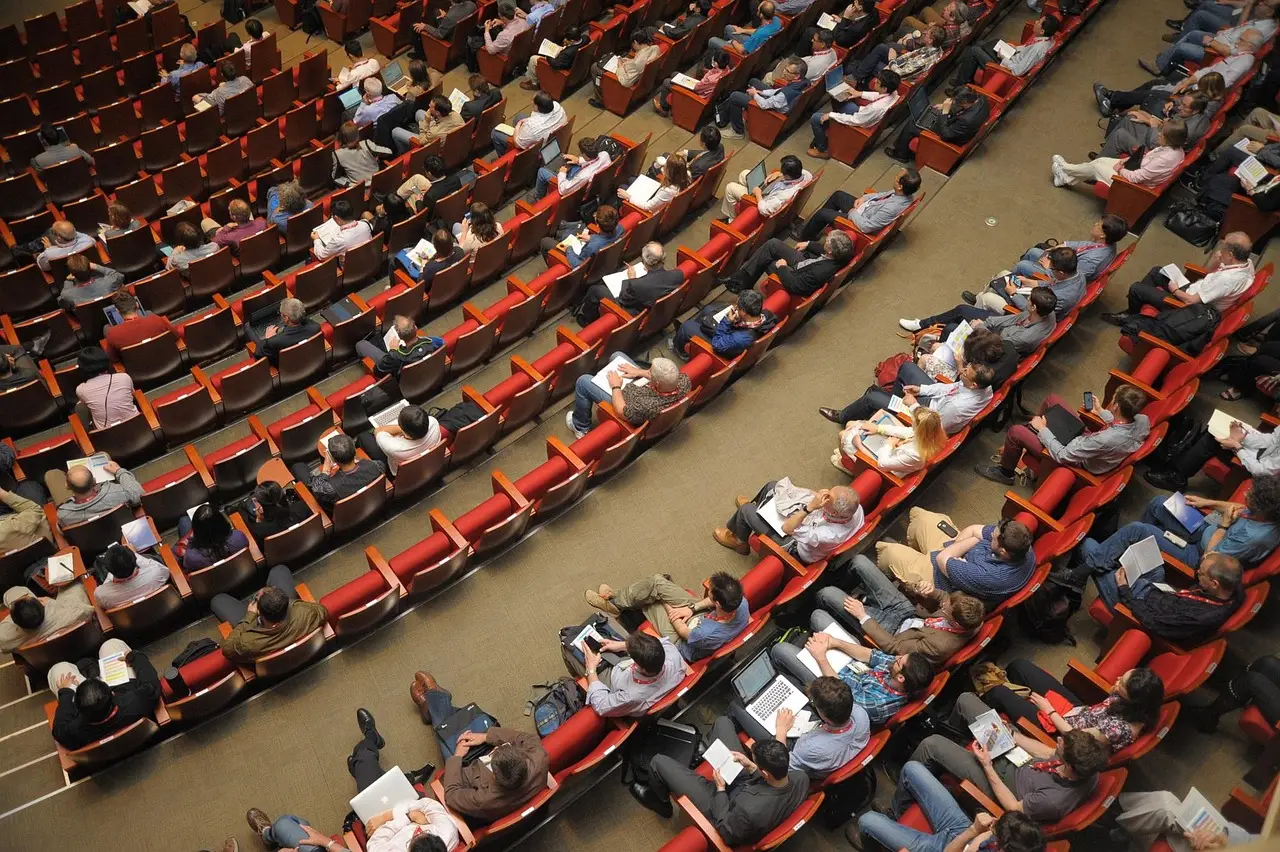
Registration opened on October 23, 2026 for the Community Networks Conference (CNCon) 2026, a first-of-its-kind in-person gathering set for November 20 in Seattle for the operators of community-run broadband networks.
The Seattle Community Network and the Local Connectivity Lab are hosting the event. Conference organizer Esther Jang said the gathering is designed for people who run community networks or plan to start connecting people that large monopoly providers have left digitally disconnected.
"Building community-based networks is rewarding but incredibly challenging, and we want to create a support network for these groups to work together and strategize towards common goals," Jang said in an interview with the Institute for Local Self-Reliance (ILSR).
The event, Jang added, is meant as a space for operators to "share, learn from each other, and build together." Organizers are also issuing an unusual call: they want community network veterans who have shut down their projects to attend and speak candidly about why, and what went wrong.
What is on the agenda?
The program takes what Jang calls a "big tent approach." For this first conference, she said, "We want to be inclusive of folks with broadband projects as well as those who are operating emergency or disaster resilience networks, to see what we might all have in common."
Attendees will work through several concrete themes:
- Tradeoffs in network operations — described by organizers as fun versus need versus profit.
- Practical differences between fiber, fixed wireless, mesh, and Long Range Radio (LoRa) access technologies.
- Business models spanning municipally owned systems, private independent ventures, and nonprofit initiatives.
The underlying premise is that a rural cooperative deploying fiber, a neighborhood group maintaining a volunteer-run mesh network, a Tribal network pursuing digital sovereignty, and a city-owned utility face different challenges — but can learn from each other on funding, governance, technology choices, and long-term operations.
Who will speak?
The in-person conference will focus mostly on network deployment in the United States. A separate virtual track will bring in perspectives from community network builders abroad.
"Some of the most successful and impactful community networks projects around the world are international, especially in rural areas where other service providers don't exist," Jang said.
Virtual speakers will include community network operators from Ghana, Mexico, India, Argentina, and Germany. Jang said scheduling will aim to accommodate diverse time zones, depending on interest among registrants.
What does this change for community network operators?
Until now, no dedicated conference has existed for this segment of the broadband market. Operators of small, often volunteer-run networks have lacked a shared venue to compare notes on technology choices, funding structures, and governance — the areas where grassroots projects most often fail. CNCon 2026 fills that gap, and the deliberate inclusion of failed projects signals that organizers want hard operational lessons, not promotional case studies.
The event also bridges the community-network movement in the United States with international builders, many of whom operate in rural markets with no commercial incumbent at all.
How to take part
Registration for the November 20 in-person event is open via the conference website. Organizers are accepting session proposals through the "Program" tab on the site, and inquiries can be directed to [email protected].
"We'd love to get you involved!" Jang said.
The report was published by the Community Broadband Networks Initiative of the Institute for Local Self-Reliance on CommunityNetworks.org on October 23, 2026, and reprinted by Broadband Breakfast with permission. With registration now open and a virtual track spanning five countries' time zones, the conference will test on November 20 whether a fragmented, volunteer-driven corner of the broadband industry can organize itself into a durable peer network.
Also reported
Original: forms.seattlecommunitynetwork.org
More from James Calloway
Show full bio
Staff writer covering companies, deals and strategy in Carrier business, 5G and 6G, fiber and broadband at Telecom Gazette.
511 articles