5G & 6GSamsung6gAI NativeAI Ran
Samsung Puts AI-Native Networks at Center of 6G Summit Showcase
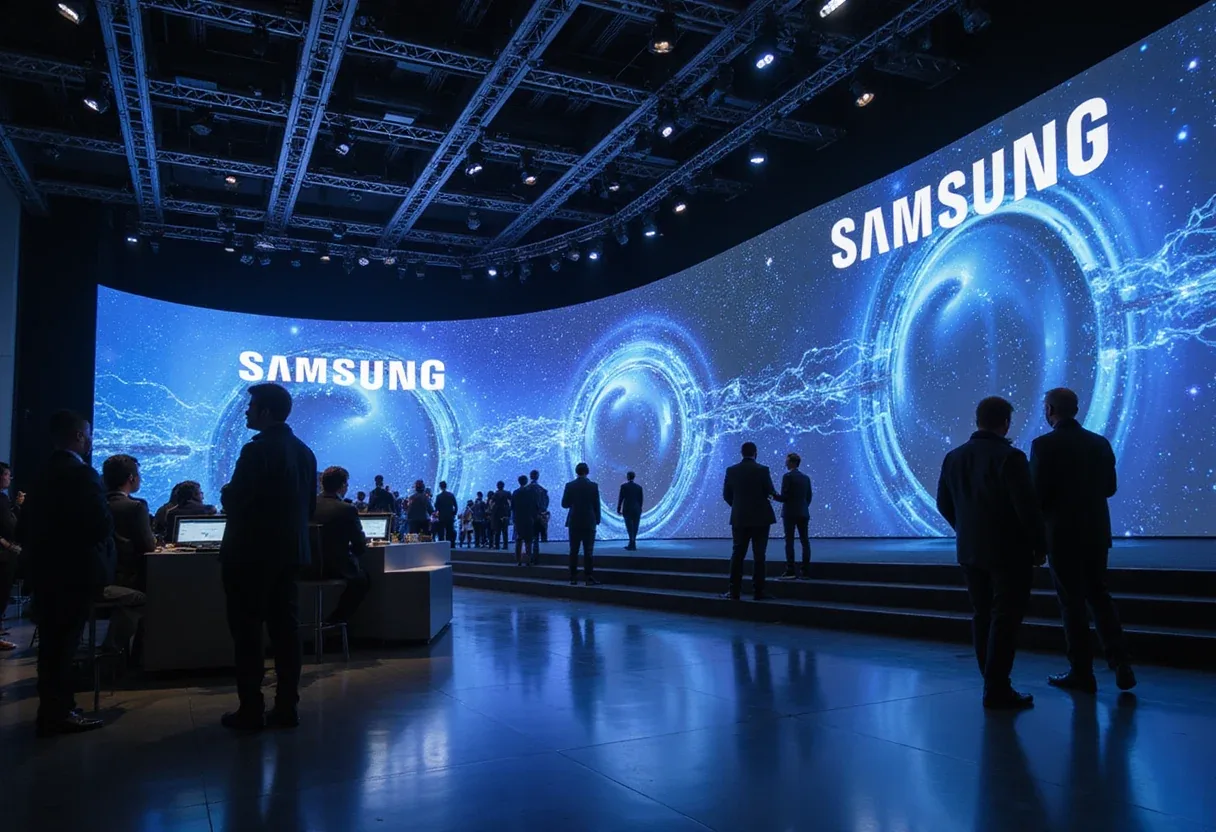
Samsung showcased AI-native network technology at a 6G summit, staking out an architectural position ahead of next-generation standardization talks.
 5G & 6G
Why it matters
- Samsung showcased AI-native network technology at a 6G summit
- The concept positions AI as a built-in design principle, not an add-on to 5G-style architecture
- No commercial contracts, spectrum or deployment schedules accompanied the demonstration
- Industry timelines point to first 6G specifications late this decade and deployments in the 2030s
The story
Samsung used a 6G summit to showcase network technology it describes as AI-native, positioning artificial intelligence as a built-in property of future mobile networks rather than an add-on feature.
The demonstration marks the vendor's most explicit public statement yet on how AI should shape the architecture of the generation that follows 5G. Samsung is one of several major equipment makers, alongside Ericsson, Nokia and Huawei, that have begun publishing 6G research positions ahead of expected standardization work in the coming years.
What does 'AI-native' actually mean here?
The term matters because it draws a line between two approaches. Today's 5G networks apply AI and machine learning to specific operational tasks, such as traffic forecasting, energy saving and anomaly detection, largely through software layered on top of existing architecture.
An AI-native network inverts that relationship. AI becomes part of the network's design from the start, with intelligence distributed across the radio access network, core and management layers. The concept overlaps with the AI-RAN work already under discussion in industry forums, where radio infrastructure is designed to run AI workloads and AI in turn optimizes radio performance.
Samsung did not present the showcase as a commercial product. It is a research position, aimed at standards bodies and operator partners who will define 6G requirements.
What does this change for operators?
In the near term, nothing concrete. No operator contracts, spectrum allocations or deployment schedules accompany the demonstration. The practical question is what influence Samsung's position will have on 6G standardization in 3GPP and ITU, where requirements discussions for the next generation are expected to gather pace through the second half of this decade.
The stakes are commercial as well as technical. Vendors that frame early architectural concepts often gain advantage when those concepts harden into standards, because their patent portfolios and product roadmaps align with the specifications that operators must eventually procure.
Standards timeline frames the debate
Industry consensus currently points to the first 6G specifications toward the end of this decade, with commercial deployments following in the 2030s. That timeline leaves vendors room to compete on research narratives before any hardware exists.
Samsung's showcase sits squarely in that window. By anchoring its 6G pitch in AI-native design, the company signals where it intends to concentrate its research and intellectual property effort through the standardization cycle.
For operators, the signal is earlier and simpler: the networks they will buy after 5G-Advanced are likely to be specified around AI from the ground up, and vendor positions being staked out now at summits like this one will shape what reaches procurement teams later.
Whether AI-native architecture translates into measurable gains in throughput, energy efficiency or operating cost remains unproven until trials on real infrastructure begin. Samsung's demonstration adds a vendor voice to that argument; it does not settle it.
Also reported
Source: Google News: 6G network
More from James Calloway
Show full bio
Staff writer covering companies, deals and strategy in Carrier business, 5G and 6G, fiber and broadband at Telecom Gazette.
319 articles