Samsung Demonstrates AI-Native 6G Technologies at Silicon Valley Summit
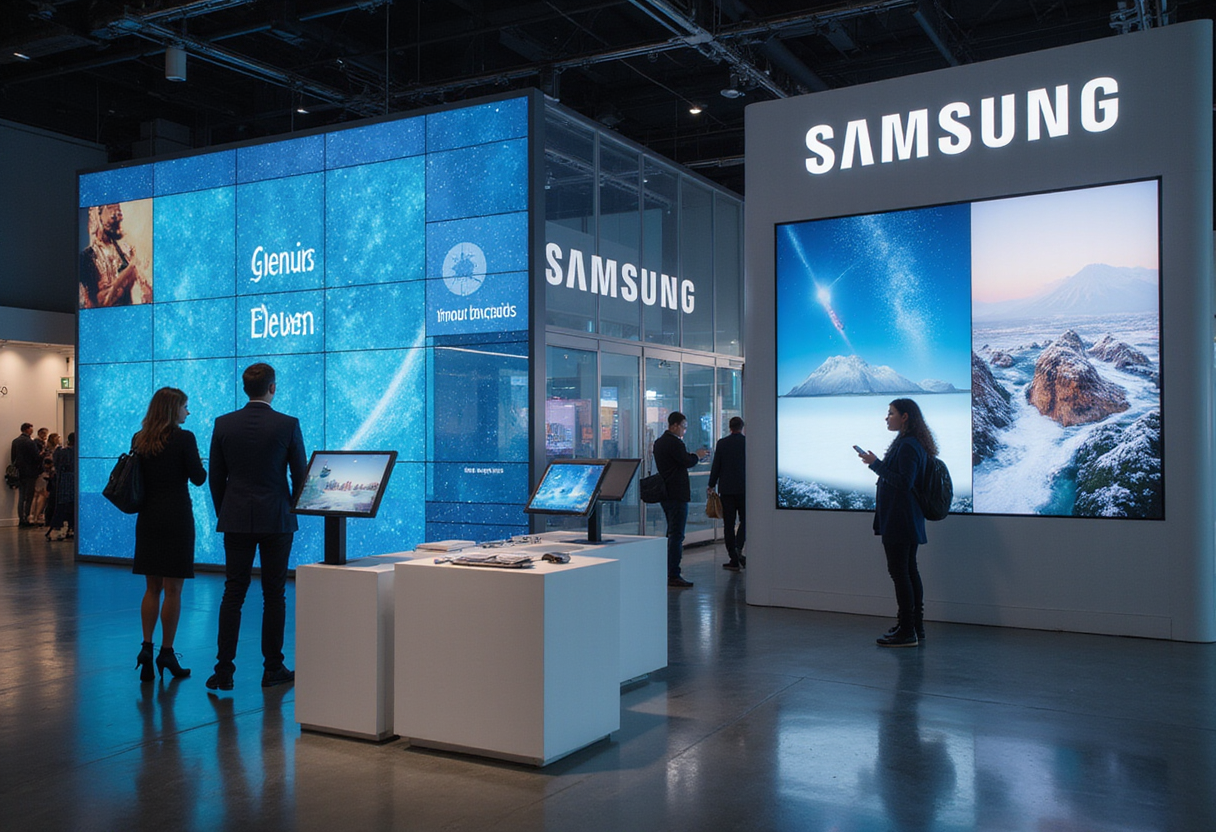
Samsung demonstrated AI-native 6G technologies at a Silicon Valley summit, positioning machine learning as an architectural layer of the next mobile generation rather than an add-on feature.
 5G & 6G
Why it matters
- Samsung demonstrated AI-native 6G technologies at a summit in Silicon Valley, according to SammyGuru.
- No operator has commercially deployed 6G anywhere; the generation exists only in prototypes and standards documents.
- The ITU's IMT-2030 framework defines the 6G era; 3GPP will write the detailed specifications.
- Samsung has not announced commercial 6G equipment, named operator trials or disclosed contract terms tied to the showcase.
- Detailed 6G study work in standards bodies is expected in the latter half of the decade.
The story
Samsung demonstrated what it describes as AI-native 6G technologies at a summit in Silicon Valley, according to industry publication SammyGuru.
The event marks the latest public showing of Samsung's sixth-generation mobile research. The company has been among the more visible equipment vendors pursuing a 6G roadmap, publishing research white papers and outlining architectural concepts ahead of any commercial deployment. None of that work has translated into shipped equipment, operator contracts or live networks.
The "AI-native" label carries real weight. It positions machine learning not as a feature attached to the network but as an architectural layer embedded within it. That framing shapes a debate with other equipment vendors over which company's design philosophy the eventual 3GPP standard will reflect.
Concrete implications include:
- AI-driven radio resource management
- AI-assisted beamforming
- Machine-learning-based channel estimation
- Energy optimization through predictive algorithms
The technical premise holds that conventional algorithmic designs cannot match the efficiency gains of trained models operating across the protocol stack. The counterargument is that opaque inference in regulated carrier infrastructure complicates certification, debugging and regulatory approval.
What did Samsung actually show?
The SammyGuru coverage does not enumerate the demonstrations, name partner operators, list spectrum bands or report measured throughputs. What is confirmed by the headline is the theme, the venue and the vendor.
The Silicon Valley location carries its own signal. Mountain View, Palo Alto and surrounding cities host the largest concentration of AI research laboratories anywhere. Holding a 6G summit there, rather than at Mobile World Congress in Barcelona or a Korean carrier event, signals Samsung views AI-native architecture as a conversation with compute-platform companies and AI developers, not only with mobile operators.
Where does 6G actually stand?
The 6G generation exists today only in prototypes, simulation platforms and standards documents. No operator has commercially deployed 6G anywhere. The ITU's IMT-2030 framework defines the era; 3GPP will write the detailed specifications. That timeline places any commercial 6G network well into the latter half of the decade. Spectrum allocation, a precondition for any commercial launch, awaits decisions at ITU world radiocommunication conferences and subsequent national regulator actions.
What does this change for operators today?
Nothing immediate. No procurement decision follows from a research showcase. What does change is the vendor information pipeline: operator evaluations of roadmaps in the second half of the decade will weigh which AI-native claims translate into standards-compliant, interoperable equipment once specifications are frozen.
The "AI-native" term invites scrutiny. Without published reference architectures or interoperable test results, the phrase risks becoming a marketing label for existing automation rebranded as a generational leap. Separating genuine architectural change from label recycling is the work ahead for carriers, regulators and industry analysts.
Samsung has not announced commercial 6G equipment, named operator trials or disclosed contract terms tied to the Silicon Valley event. It is research signaling, not sales activity.
What to watch next
The showcase fits a broader pattern of vendor positioning before standards work hardens. With 3GPP's 6G study phase expected in the latter half of the decade, vendors are staking out architectural territory now. Operators and analysts should track which vendor claims translate into adopted 3GPP technical specifications and which fade as the standard matures.
Also reported
Source: Google News: 6G network
More from James Calloway
Show full bio
Staff writer covering companies, deals and strategy in Carrier business, 5G and 6G, fiber and broadband at Telecom Gazette.
287 articles