Samsung demos AI-driven 6G in Silicon Valley, woos US carriers
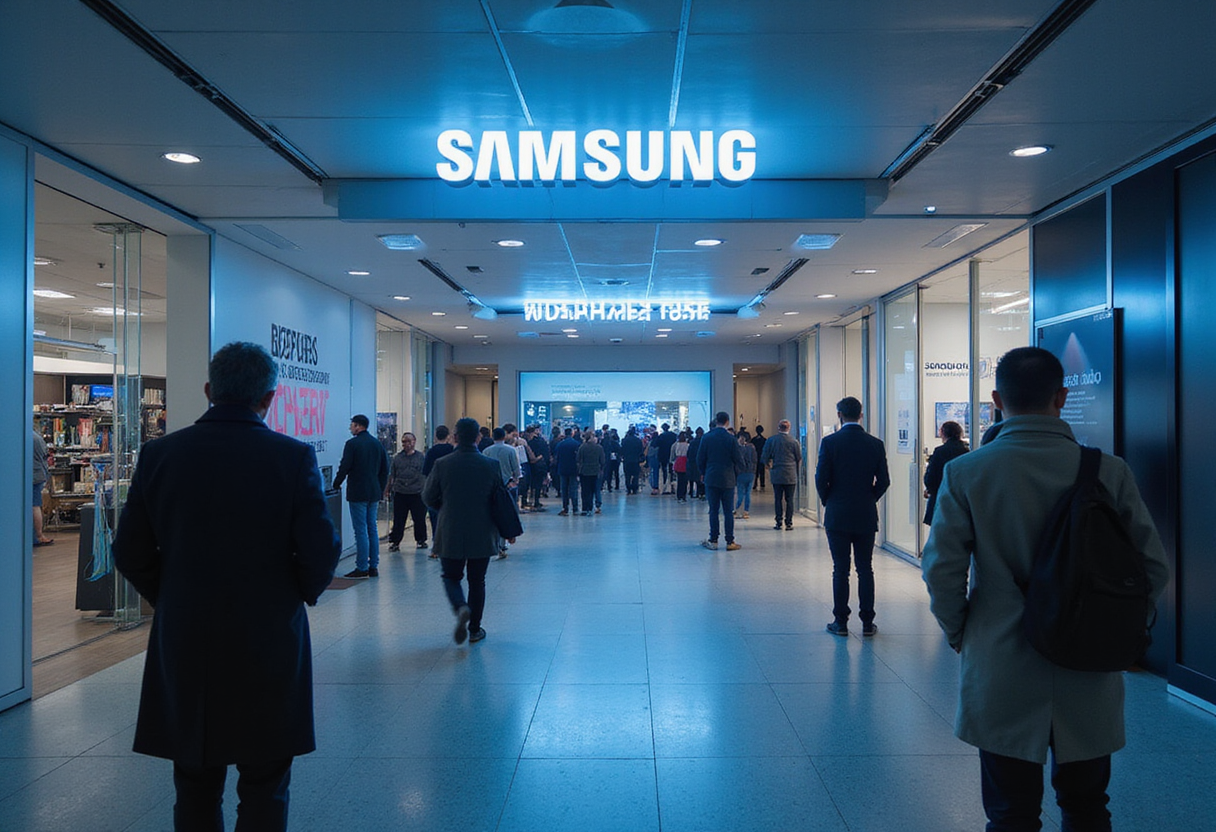
Samsung demonstrated AI-driven 6G technology in Silicon Valley while expanding ties with Korean and US carriers, positioning itself early for the 2030 standards cycle.
 5G & 6G
Why it matters
- Samsung demonstrated AI-driven 6G technology at an event in Silicon Valley.
- The vendor used the showcase to expand relationships with carriers in Korea and the United States.
- 6G has no frozen standard yet; 3GPP specification work is expected later this decade with deployment around 2030.
- The report comes via Korean outlet Chosunbiz.
The story
Samsung has demonstrated AI-driven 6G technology in Silicon Valley, using its US research base to strengthen ties with Korean and American carriers. The showcase, reported by Chosunbiz, marks the vendor's most visible push yet to place itself at the centre of next-generation network development before standards even exist.
That's the honest summary. The specifics of the demonstration remain thin, which tells you something about where 6G actually sits in 2025: a research agenda, not a product roadmap.
What did Samsung actually show?
The company presented AI-driven 6G concepts — the marriage of artificial intelligence and radio access that vendors now treat as the defining feature of the sixth generation. Samsung has consistently argued that AI will run inside the network itself, handling tasks that today require hand-tuned engineering.
Silicon Valley was the venue, and the choice is deliberate. Samsung runs research operations there, close to the US AI talent pool and, not coincidentally, close to American carriers.
Why the carrier angle matters
The second half of the story is commercial, not technical. Samsung used the event to expand its relationships with carriers in both Korea and the United States, Chosunbiz reports.
For Samsung Networks, that matters. The vendor lost ground in the 5G era outside its home market — it secured a notable slice of Verizon's 5G rollout, but Nokia and Ericsson kept most Western operator budgets. 6G procurement decisions won't land until the 2030s, yet the positioning contest has already started.
What's the standards and policy context?
6G has no frozen standard yet. The 3GPP is expected to begin serious 6G specification work in the second half of this decade, with commercial deployments targeted around 2030. Every vendor showcase between now and then is a bid to shape which technologies make the cut — AI-native air interfaces among them.
Korea, meanwhile, has made 6G a national project, with government-backed research programmes running in parallel with Samsung's own work. A stronger Samsung footprint in the US market aligns neatly with Washington's current preference for trusted vendors in critical network infrastructure.
So a Silicon Valley demo doubles as policy signalling. Convenient, that.
Marketing or substance?
Readers should hold two things separately. Samsung genuinely funds early 6G research and has published on AI-native networks for years; that's substance. A demonstration without deployment figures, throughput numbers or contracts is, for now, positioning.
The test will come when Samsung converts these expanded carrier relationships into named trials with measurable results. Until then, treat "AI-driven 6G" as a research claim with good manners.
What happens next?
Expect Samsung to keep cycling between its Korean labs and US carrier conversations as 3GPP's 6G timeline firms up, with the vendor aiming to translate Silicon Valley goodwill into trial agreements before the first standard-compliant hardware arrives later in the decade.
By Amara Osei
Also reported
Source: Google News: 6G network
More from Amara Osei
Show full bio
News editor covering technology and product news in Carrier business, 5G and 6G, fiber and broadband at Telecom Gazette.
325 articles