Networks & InfrastructureOpen RanRakuten MobileFujitsuRakuten Symphony
Rakuten Mobile and Fujitsu network unit partner on Open RAN
Rakuten Mobile and a Fujitsu networking subsidiary have entered an Open RAN collaboration, per SDxCentral. Financial terms, deployment scope, and commercial structure remain undisclosed.
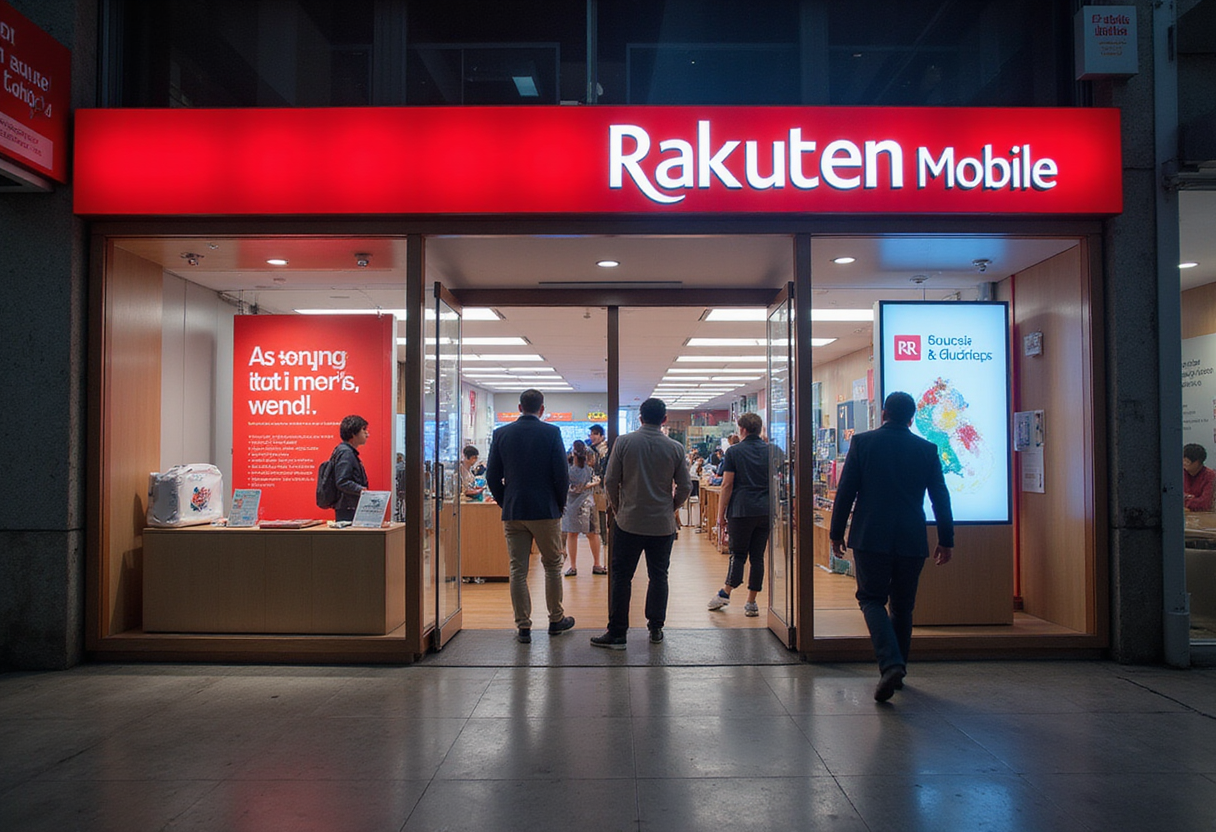 Networks & Infrastructure
Why it matters
- Rakuten Mobile and Fujitsu's networking subsidiary have entered an Open RAN collaboration, per SDxCentral
- Financial terms, deployment scope, and commercial structure were not disclosed in the source reporting
- Rakuten Mobile has built its 4G and 5G networks almost entirely on virtualised, disaggregated radio infrastructure
- Fujitsu supplies radio units and base station hardware to Japanese carriers and participates in O-RAN Alliance testing
- No executive statement, timeline, or named product accompanied the collaboration announcement
The story
Rakuten Mobile and a Fujitsu networking subsidiary have entered an Open RAN collaboration, according to trade publication SDxCentral. Financial terms and deployment scope remain undisclosed in the available reporting.
The Japanese mobile operator and Fujitsu's network equipment arm will work together on Open RAN architecture, a framework that disaggregates radio access network hardware from software and uses interoperable interfaces between vendors. Open RAN has become a stated priority for operators seeking to reduce dependence on integrated radio stacks supplied by Ericsson, Nokia, and Huawei.
Why this pairing matters
Rakuten Mobile has positioned itself as the most aggressive commercial deployer of Open RAN globally, building its 4G network and subsequent 5G expansion almost entirely on disaggregated, virtualised radio infrastructure. The operator's parent, Rakuten Group, has spun out a platform business, Rakuten Symphony, to sell that architecture to other carriers worldwide.
Fujitsu supplies radio units and base station hardware to Japanese carriers and has participated in Open RAN interoperability testing through industry groups including the O-RAN Alliance. A formal collaboration with Rakuten Mobile places Fujitsu closer to a live, large-scale reference deployment of the architecture.
The two companies have operated in adjacent circles for years. Rakuten's parent conglomerate has sourced servers and networking gear from Japanese suppliers including Fujitsu. The new collaboration formalises that supply relationship around Open RAN specifically.
What details are still missing
The SDxCentral report did not specify the commercial structure of the arrangement, the size of any purchase commitment, the radio unit models involved, or the integration milestones the two companies have agreed to. No executive statement accompanied the headline. No timeline for joint products or trials appeared in the available reporting.
Whether the collaboration produces a co-developed radio product, a managed service offering for sale to third-party operators, or an internal integration of Fujitsu hardware into the Rakuten Symphony catalogue all remain open questions. The distinction matters commercially. A vendor partnership typically signals supply commitments. A co-development track implies shared intellectual property and joint go-to-market plans.
What the Open RAN market looks like now
Open RAN commercial deployments remain concentrated in greenfield operators and in green-build sites within brownfield networks. Rakuten Mobile, Dish Network in the United States, and 1&1 in Germany have built the largest standalone Open RAN footprints. Established carriers including Vodafone, Deutsche Telekom, and Orange have committed to Open RAN pilots or coverage targets but have not matched the scale of the greenfield builds.
Japan's domestic policy environment has favoured Open RAN adoption. The government has funded multi-vendor interoperability research. The country's three other major operators — NTT Docomo, KDDI, and SoftBank — have each published Open RAN roadmaps. Rakuten Mobile's position as the smallest of the four major carriers has not prevented it from shaping the national discussion on disaggregated networks.
What changes for operators
For competing Open RAN vendors, the partnership signals that Fujitsu has secured a foothold inside Rakuten's reference architecture, which Rakuten Symphony markets to international buyers. That presence may complicate sales pitches from competing radio unit suppliers seeking entry to the Rakuten ecosystem.
For Japanese carriers evaluating Open RAN procurement, the collaboration adds a domestic hardware option with a reference deployment behind it, potentially shortening integration cycles for brownfield rollouts. The hardware-versus-software question remains central. Rakuten's strength lies in virtualised baseband and orchestration software. Fujitsu's strength lies in radio hardware. A combination addresses both halves of the stack.
What does the collaboration mean for the broader Open RAN supplier market? It tightens the link between one of the few large-scale commercial reference networks and a Tier-1 Japanese radio vendor, raising the bar for foreign suppliers seeking Japanese carrier contracts.
Neither Rakuten Mobile nor Fujitsu has disclosed when joint announcements or commercial milestones will follow. Industry observers will watch for a formal memorandum of understanding, a named product line, or a deployment target at Mobile World Congress in Barcelona or through subsequent operator earnings disclosures. The first concrete deliverable from the partnership will determine whether the announcement marks a supply arrangement or the start of a deeper co-development track.
Also reported
Source: Google News: Open RAN
More from James Calloway
Show full bio
Staff writer covering companies, deals and strategy in Carrier business, 5G and 6G, fiber and broadband at Telecom Gazette.
236 articles