Carriers & OperatorsRakuten MobileOpen Ran1finityFujitsu
Rakuten Mobile Adds 1Finity Radios to Open RAN 5G Buildout
Rakuten Mobile is expanding its Open RAN 5G network with radio units from 1Finity, adding a Fujitsu-brand supplier to its multi-vendor architecture — without disclosing volumes or timeline.
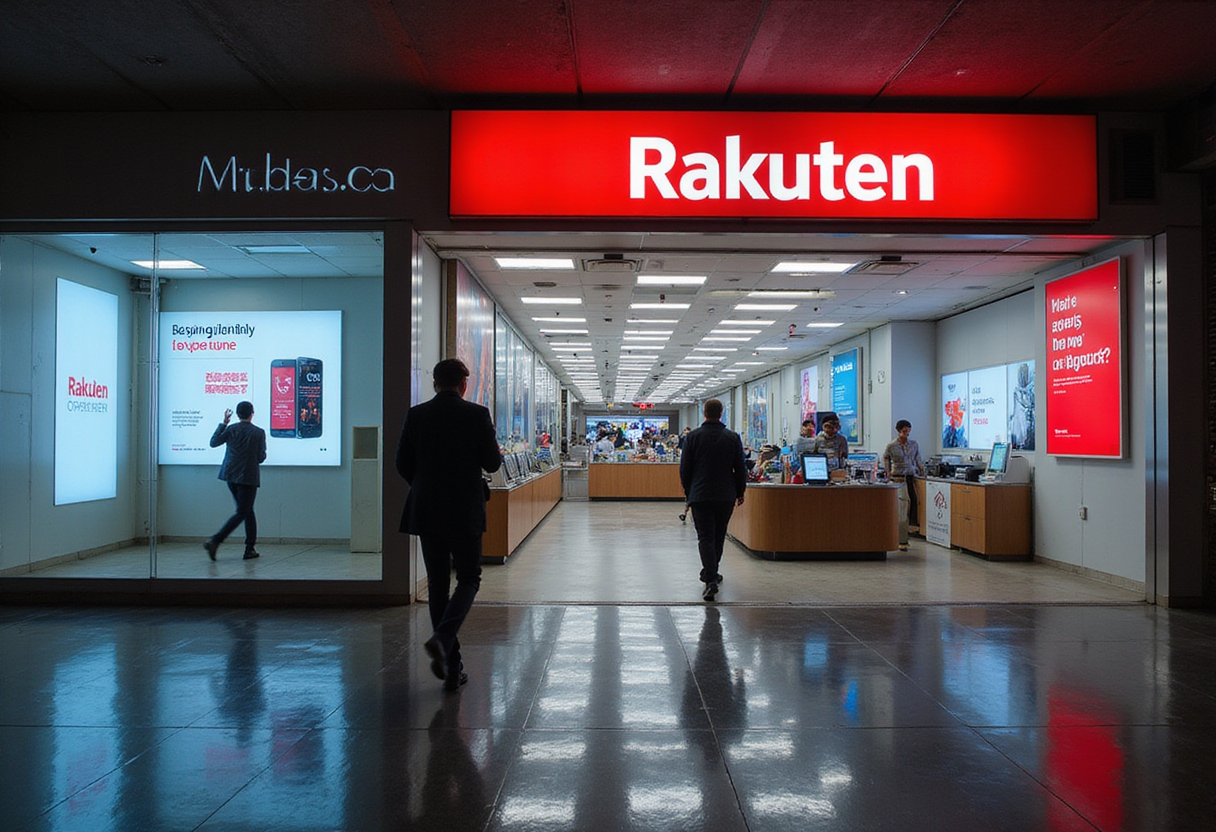 Carriers & Operators
Why it matters
- Rakuten Mobile is adding 1Finity radios to its Open RAN 5G network, per a Telecom Reseller headline.
- The announcement discloses no contract value, deployment volume or rollout timeline.
- 1Finity is the carrier-network brand under which Fujitsu has grouped its radio access portfolio.
- Rakuten Mobile launched Japan's fourth mobile network in 2020 on a cloud-native, multi-vendor architecture.
- Earlier Rakuten Open RAN deployments have involved Nokia, NEC and Airspan alongside other vendors.
The story
Rakuten Mobile is extending its Open RAN 5G network with radio units from 1Finity, adding another vendor to the multi-supplier architecture the Japanese operator has used since launch.
The announcement, carried by Telecom Reseller, discloses no contract value, deployment volume or rollout timeline. That gap is worth flagging: Rakuten has historically published granular figures for each Open RAN component addition. The silence here leaves open how much of the radio layer 1Finity now supplies.
Why does the radio choice matter?
Rakuten Mobile launched Japan's fourth mobile network in 2020 on a cloud-native architecture that separated baseband software from radio hardware, allowing it to source equipment from multiple vendors rather than buying the single integrated stack traditional suppliers sell. The model made Rakuten a reference customer for the Open RAN movement and a frequent counter-example to claims that multi-vendor interoperability was impractical at scale.
Parent Rakuten Group has also packaged the architecture into a saleable platform, Rakuten Symphony, that other operators license. Each vendor addition to the home build therefore doubles as a marketing signal for the wider business.
Adding 1Finity radios extends that pattern. In an Open RAN build, radio units handle the conversion between digital baseband signals and over-the-air transmissions. Sourcing them separately from baseband servers and the centralized unit lets operators swap suppliers, negotiate per-component pricing and avoid lock-in.
How long before the radios carry traffic?
A new radio vendor still needs to pass conformance testing with Rakuten's existing baseband stack before commercial traffic flows — a step that typically runs several months even when announced deals progress on schedule.
1Finity is the carrier-network brand under which Fujitsu has grouped its radio access portfolio. The structure repositions the Japanese vendor's Open RAN-compatible radios, baseband and transport products under a single label for global carrier customers.
What is the announcement not telling us?
The headline does not say whether the 1Finity radios replace existing units, sit alongside them in a specific region, or fill a particular frequency band. Open RAN rollouts typically layer new vendors onto a subset of sites first before expanding nationwide. Without volume figures it is not possible to gauge whether 1Finity is becoming a primary radio supplier or filling a niche band.
Rakuten Mobile has worked with multiple radio and baseband vendors since launch, including:
- Nokia
- NEC
- Airspan
Those suppliers remain part of the network. Vendor diversification is real; commercial scale is undisclosed.
Does more choice automatically mean lower cost?
The commercial reality also sits apart from the Open RAN marketing line. A second or third radio vendor gives Rakuten additional leverage on price, but it does not by itself prove the multi-vendor model matches the cost structure of a single-vendor build. Operators in Europe and Asia that pursued Open RAN for similar reasons have reported higher integration costs and longer time-to-market than their initial business cases projected.
What comes next?
Rakuten Mobile has not disclosed how many base stations will carry 1Finity radios, in which band, or by when. Parent company Rakuten Group has reported Rakuten Mobile reaching adjusted operating profitability in recent quarters, and any network investment that supports subscriber growth or coverage expansion would feed into the operator's path to GAAP profitability — a target the company has flagged for the medium term.
The next concrete data point will come in Rakuten Mobile's quarterly results, where investors will look for capex figures and any disclosure of the radio vendor mix.
Also reported
Source: Google News: Open RAN
More from Rebecca Stone
Show full bio
Correspondent covering technology and product news in Carrier business, 5G and 6G, fiber and broadband at Telecom Gazette.
249 articles