Vendors & EquipmentQualcommStarlink Mobile5gRadio Access Network
Qualcomm calls Starlink Mobile RAN deal its 'biggest 5G deal yet'
Qualcomm's Dragonwing platforms will power tens of thousands of Starlink Mobile base stations from 2027 — but spectrum, tower leases and a sevenfold texting gap remain unresolved.
 Vendors & Equipment
Why it matters
- Qualcomm multi-year deal covers tens of thousands of Starlink Mobile base stations, rollout beginning 2027
- Qualcomm calls the agreement its 'biggest 5G deal yet'
- Ookla found one in seven Starlink Mobile D2D texts failed, versus about one in fifty on terrestrial networks
- Starlink Mobile was recently rejected as an MVNO by major US carriers
- Analysts estimate several years minimum before Starlink Mobile could become a credible fourth nationwide US carrier
The story
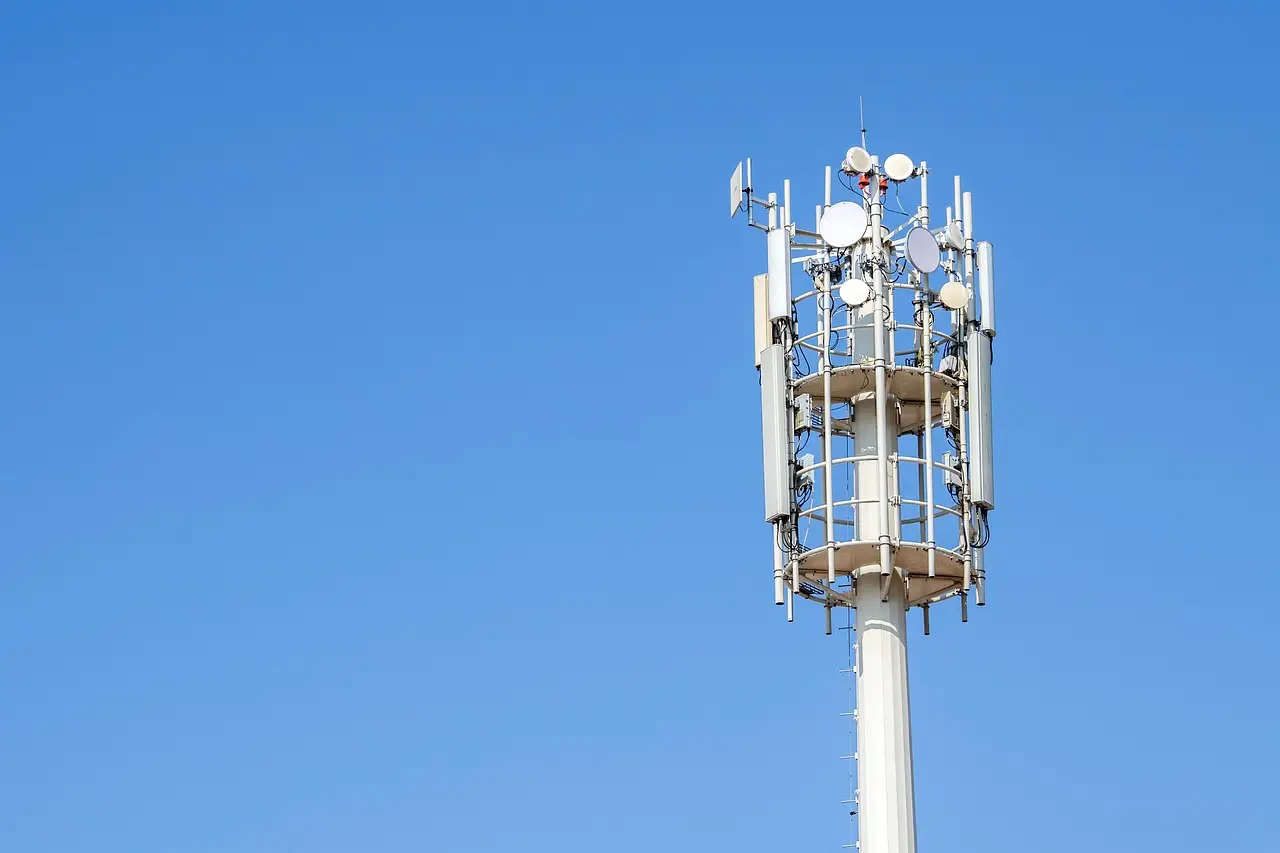
Qualcomm has signed a multi-year agreement to supply its Dragonwing Cellular Infrastructure platforms for tens of thousands of terrestrial base stations in SpaceX's Starlink Mobile network, with rollout due to begin in 2027 — a deal the chipmaker calls its "biggest 5G deal yet."
Starlink Mobile, the SpaceX-owned venture positioning itself against Verizon, AT&T and T-Mobile in the US, will use the Qualcomm platforms as the radio foundation of a ground-based network to complement its direct-to-device (D2D) satellite service. Qualcomm says the base stations are "designed to improve coverage, capacity and spectral efficiency, helping the network serve more traffic efficiently."
Elon Musk backed the announcement on X. "Qualcomm's technology is excellent," he wrote, adding in a separate post: "at last there will be one network with good signal everywhere!"
That claim does not match current performance data. Ookla's recent testing of Starlink Mobile's D2D offering, while crediting the service with filling US coverage gaps, concluded that "Starlink Mobile's network trails the performance of terrestrial networks." In one concrete measure, one in seven Starlink Mobile D2D texts failed to go through — roughly seven times the failure rate of about one in fifty on terrestrial networks.
What does the deal actually cover?
The Qualcomm contract covers radio equipment only. It does not solve the two problems analysts identify as decisive: spectrum and towers.
"This deal is an important part of building a new mobile network in the US. But even more important will be for Starlink to secure the spectrum and tower leases that will be used with the Qualcomm equipment," Tim Farrar, president of TMF Associates, told TechRadar.
Farrar sees a specific path: "A purchase of the remaining EchoStar spectrum assets and a settlement with the tower companies is the easiest and quickest way to go about that, especially as Starlink intends to start deploying equipment next year."
The EchoStar reference points to persistent acquisition rumors, reported by The Washington Post, that SpaceX is seeking to buy Boost Mobile from EchoStar. Even that route carries complications. Boost Mobile operates as an MVNO with agreements with T-Mobile and AT&T, and a MoffettNathanson research note cited by TeleCompetitor argues those agreements are unlikely to transfer to Starlink Mobile.
Tower access is the other open question. US major carriers recently rejected Starlink Mobile as an MVNO partner, and it remains unclear how easily the company can lease tower space. Without leases, Starlink Mobile would hold spectrum but little ground-based infrastructure, leaving it the large and expensive task of building its own.
Can Starlink become the fourth US carrier?
Ookla lead industry analyst Mike Dano sees credibility in the ambition — with conditions.
"The new agreement between SpaceX and Qualcomm reinforces the likelihood that Starlink Mobile could become a credible fourth nationwide mobile network provider in the U.S," he said. "Of course, there are many more steps along this path, including building radios for a Starlink Mobile terrestrial network, putting them on top of towers, and then activating services for paying customers. And even then, it's not clear whether Starlink Mobile will be able to successfully compete against the market's established mobile providers."
His timeline is measured in years, not quarters: "I think it will take several years — at the very, very least — for Starlink Mobile to build the terrestrial network and launch the new satellites that will be necessary."
Is this a network build or a valuation play?
Some industry figures read SpaceX's strategy as something other than a straightforward land grab for subscribers. Peter Adderton, CEO of MobileX and founder of Boost Mobile, argued on X: "It's about getting enough network coverage to fundamentally disrupt the economics of the entire industry."
"I think the endgame isn't simply competing with the MNOs, but weakening their economics and valuations to a point where SpaceX can eventually acquire one at a fraction of today's valuation," Adderton wrote. "This isn't necessarily just about winning wireless customers. It's about changing the economics of wireless itself."
That thesis is speculation, but it frames the risk incumbents face even if Starlink Mobile never wins mass share. For now, the record shows a signed equipment deal, a 2027 deployment start, no announced spectrum purchase, and no tower agreements. Equipment deployment is slated to begin next year, with the first Qualcomm-equipped base stations following in 2027.
Also reported
Source: Google News: 5G network
More from Rebecca Stone
Show full bio
Correspondent covering technology and product news in Carrier business, 5G and 6G, fiber and broadband at Telecom Gazette.
433 articles