Networks & InfrastructureData Center Waste HeatWaste Heat RecoveryLand Based AquacultureNtt Docomo
NTT Docomo to Warm Land-Based Shrimp Farm With Data Center Waste Heat
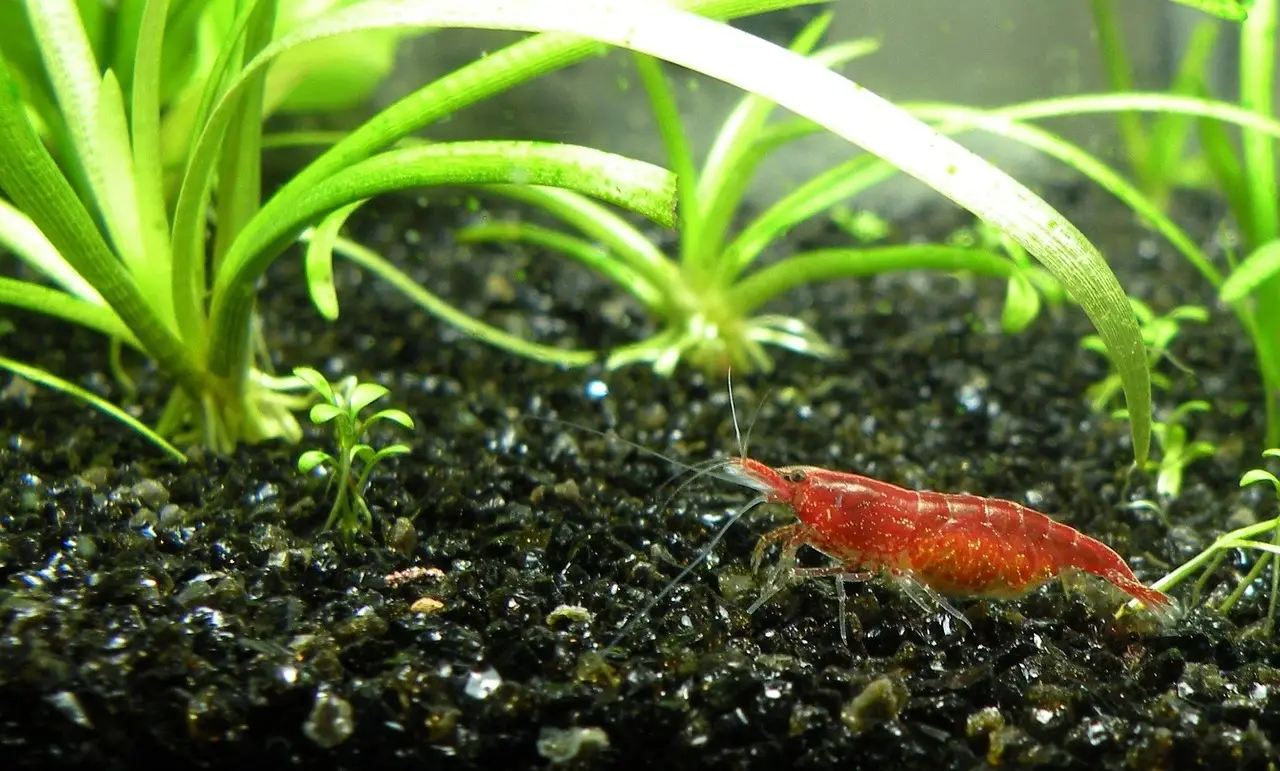
NTT Docomo will use waste heat from a Tokyo-area data center to warm a Pacific white shrimp farm from next year, in a four-company pilot running until March 2028 under a Tokyo government heat-reuse program.
 Networks & Infrastructure
Why it matters
- NTT Docomo will use data center waste heat to raise Pacific white shrimp on land from next year.
- The pilot runs until March 2028 at an NTT Docomo Business data center in or near Tokyo.
- Four companies participate: IMT Engineering, NTT Docomo, Hibiya General Equipment and NTT Green & Food.
- NTT Docomo operates 12 Nexcenter data centers in Japan, plus one in Shanghai and two in Hong Kong.
- The project belongs to a Tokyo Metropolitan Government initiative that also includes KDDI working with 20-40°C low-grade heat.
The story
NTT Docomo will pipe waste heat from a Tokyo-area data center into an on-shore Pacific white shrimp farm starting next year. The pilot, announced this week, runs until March 2028 and involves four companies working under the Tokyo Metropolitan Government's unused-heat program.
IMT Engineering and NTT Docomo Business unveiled the joint project under the name "Construction of a Waste Heat Utilization Type Land-Based Aquaculture System." Recovered heat from the data center will warm the rearing water for the shrimp. The site will sit at or near Tokyo.
Why does this matter for data center operators?
Waste heat from data centers has had limited commercial uses because of its relatively low temperature. NTT said the aim is to "demonstrate a new option for utilizing waste heat from data centers, which has previously had limited uses due to its relatively low temperature, by using it for food production."
The four partners — IMT Engineering, NTT Docomo, Hibiya General Equipment and NTT Green & Food — want to verify the cost reduction effect and business viability of land-based aquaculture powered by data center heat. They also aim to build a business model deployable to other data centers. That last point is the commercially significant one: a repeatable template, not a one-off showcase.
Each partner has a defined role:
- IMT Engineering: designs the land-based aquaculture system.
- NTT Docomo: provides the data center.
- Hibiya General Equipment: designs and builds the waste heat recovery and heat supply equipment.
- NTT Green & Food: runs the aquaculture operation and evaluates whether data center heat cuts production costs.
NTT Green & Food is not a newcomer. Established in 2023 with regional fisheries operator Regional Fish, it produces and sells eco-friendly fish, shellfish and feed algae, primarily through land-based aquaculture.
What is the regulatory context?
The project sits inside a Tokyo Metropolitan Government initiative that funds demonstration projects for utilizing waste heat and other unused heat from data centers. Two sibling projects show the program's breadth:
- KDDI and ElleThermo are deploying a self-powered temperature sensing system that generates electricity from low-grade heat of around 20-40°C.
- Kratwerk Co. and Tokyu Construction Co. are using waste heat from a small modular data center under a railway overpass for server cooling.
How large is NTT Docomo's data center footprint?
NTT Docomo operates data centers under the Nexcenter brand at seven sites around Tokyo, plus Yokohama, two in Osaka and one in Kagawa. It also runs one facility in Shanghai, China, and two in Hong Kong. Twelve domestic sites give the operator room to replicate the aquaculture model if the pilot proves viable.
Is heat reuse already proven elsewhere?
Yes, though mostly in agriculture rather than aquaculture at scale. The precedent list is long and international:
- Equinix in Paris has applied waste heat to agricultural use.
- EcoDataCenter in Sweden partners with circular economy firm Wa3rm.
- Block Heating in the Netherlands co-locates a facility with a tomato-growing greenhouse.
- The White Data Center in Japan uses waste heat to cultivate eels.
- Green Mountain in Norway warms a local lobster farm.
- Data4 in France has experimented with waste heat to grow algae.
The Japanese cases — eels in Hokkaido, shrimp near Tokyo — suggest operators in that market see food production as the most natural sink for low-grade heat. Aquaculture fits because rearing water needs sustained warmth rather than high temperatures, which matches what data center cooling loops actually discharge.
For practitioners, the pilot answers a narrow but real question: can 20-40°C-class waste heat displace the energy bill that makes land-based aquaculture expensive? NTT Green & Food's cost evaluation, due within the pilot window, will provide the first hard numbers. If the model holds, NTT Docomo has eleven other domestic Nexcenter sites where it could apply the same template after March 2028.
Also reported
Source: datacenterdynamics.com
More from Daniel Okafor
Show full bio
Senior reporter covering regulation, policy and their impact on Carrier business, 5G and 6G, fiber and broadband at Telecom Gazette.
536 articles