Networks & InfrastructureTdmAir Traffic ControlRouter OverloadNetwork Modernization
FAA Ground Stop Traced to Decades-Old TDM Telecom Routers
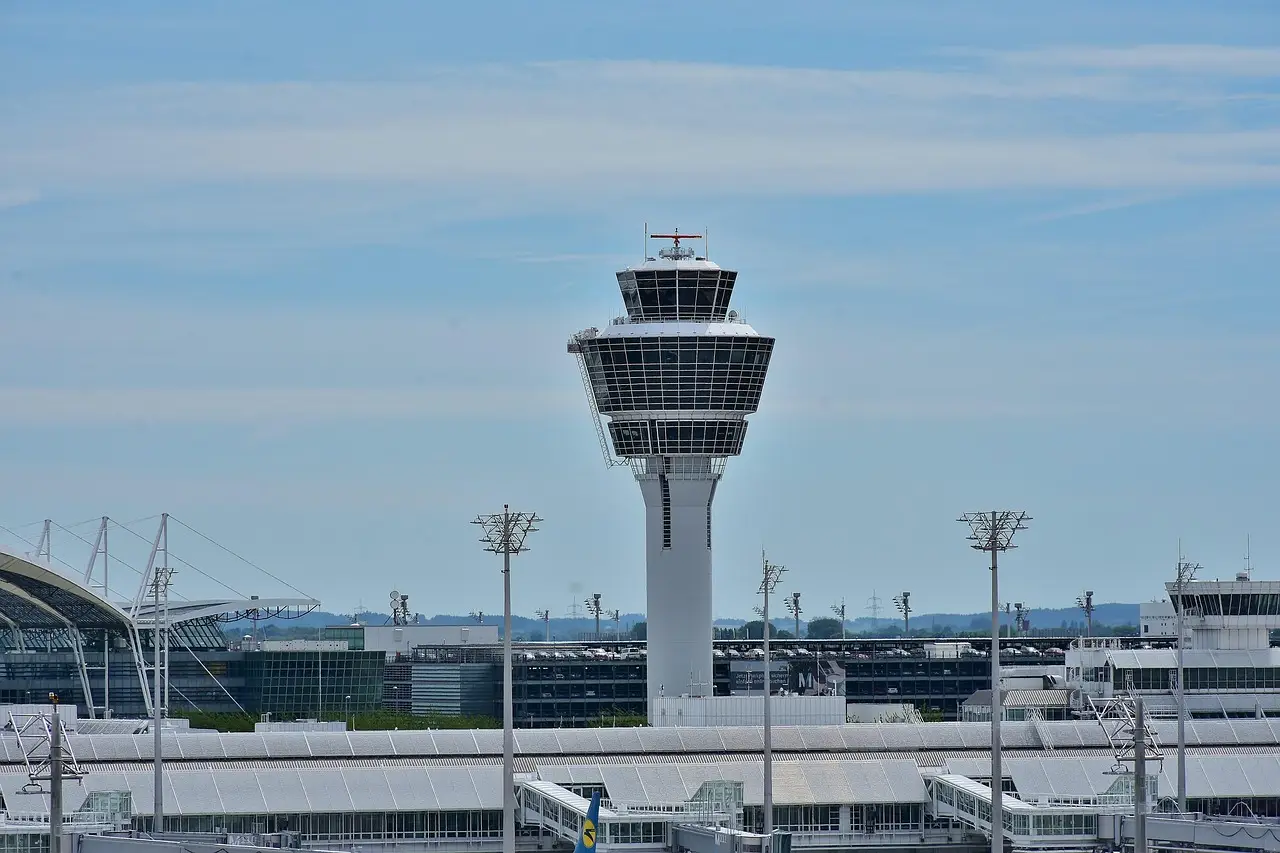
The FAA lifted a nationwide ground stop at 8:15PM ET on November 13 after legacy TDM routers overloaded, forcing hundreds of cancellations and diverting thousands of flights.
 Networks & Infrastructure
Why it matters
- The FAA lifted the nationwide ground stop at 8:15PM Eastern on November 13 after a malfunction in TDM-based air traffic control telecom.
- Routers began transmitting inconsistent information by 3:36PM after overloading with data; only unreplaced legacy equipment failed.
- Only the third FAA ground stop this century and the second longest after 9/11; hundreds of flights canceled, thousands diverted.
- Congress has committed $12.5 billion to air traffic modernization; Duffy seeks $30 billion more.
- Homeland Security found no indication of a cyberattack and said the incident was unrelated to the Microsoft outage.
The story
A nationwide US ground stop that halted every flight for hours on November 13 began with overloaded routers in an air traffic control network still running on TDM, a legacy analog telecommunications technology, Transport Secretary Sean Duffy said after the Federal Aviation Administration lifted the suspension at 8:15PM Eastern time.
The consequences were immediate and large. Hundreds of flights were canceled. Thousands already airborne were diverted. Millions of passengers were stranded while the stop remained in force.
What actually failed?
Duffy told reporters the USA's "incredibly old air traffic control system" malfunctioned. The FAA still uses time-division multiplexing, a technology predating modern packet networks, to transmit information between facilities.
The routers carrying that traffic got "overloaded with data," the secretary said. By 3:36PM on November 13 they had started transmitting inconsistent information between facilities. Equipment that had already been replaced was not affected; only the old units failed.
Duffy clarified that the US did not lose all communications and radar. The FAA chose to ground flights out of an abundance of caution rather than continue operating on degraded data links.
How rare was this stop?
Rare, by any measure. The FAA has issued ground stops only three times this century. The November 13 event was the second longest, behind only the ground stop after the 9/11 attacks.
The regulatory and funding context matters here. Congress has already appropriated $12.5 billion to modernize the country's air traffic facilities. Duffy has been pressing lawmakers for $30 billion more, and he used the press conference to make the case directly.
"It's going to continue to fail," Duffy told reporters, according to the New York Times. "How many times does this have to happen for Congress to give the money to fix it?"
The remark separates commercial and operational reality from political positioning. The failure was confined to equipment not yet replaced under existing modernization programs, which suggests the $12.5 billion already committed is addressing the right layer of the stack — just not fast enough to prevent incidents in the interim.
Was it a cyberattack?
Homeland Security Secretary Markwayne Mullin, appearing alongside Duffy, said there was no indication the communication issues were caused by a cyberattack. His agency was "still looking," Mullin said, and Homeland Security is "not going to rule it out."
Mullin also ruled out one tempting connection: the incident was not related to the lengthy outage that took out Microsoft's services for more than 24 hours. That clarification matters for network operators and enterprises tracking whether a common infrastructure dependency was involved. It was not.
What does this change for telecom modernization?
The episode is a concrete data point in the long-running debate over retirement of TDM infrastructure, and not only in aviation. Utilities, railways and government networks in the US and Europe still carry operational traffic over time-division links that vendors have largely stopped supporting. When those networks fail, the fallback is manual caution — in this case, a fleet-wide grounding.
The funding arithmetic is now explicit. The FAA has $12.5 billion committed and a request outstanding for $30 billion more. Whether Congress answers Duffy's question before the next router overload determines if November 13 stands as an isolated incident or the first of several.
Also reported
Source: engadget.com
More from James Calloway
Show full bio
Staff writer covering companies, deals and strategy in Carrier business, 5G and 6G, fiber and broadband at Telecom Gazette.
499 articles