Video & BroadcastNetflixHoichoiBengali ContentContent Licensing
Netflix Licenses 14 hoichoi Bengali Series in India Content Push
Netflix has licensed 14 hoichoi Bengali series plus two years of premieres in Hindi, Tamil and Telugu dubs, with The Cursed Temple of Kauriburi first on November 6.
 Video & Broadcast
Why it matters
- Netflix licensed 14 hoichoi series plus all hoichoi premieres for the next two years
- Dubbed versions stream on Netflix in Hindi, Tamil and Telugu exclusively
- First day-and-date release, The Cursed Temple of Kauriburi, premieres November 6
- Netflix cites a global audience approaching one billion people
- Joint original series produced by hoichoi studios will reimagine select hoichoi stories
The story
Netflix has signed a licensing agreement with hoichoi, the Bengali-first Indian streaming platform and content studio, covering 14 series titles plus all hoichoi premieres for the next two years, dubbed in Hindi, Tamil and Telugu exclusively on the service in India.
The deal, announced on October 23, 2026, represents a familiar playbook for the US streamer in a market where local-language economics remain difficult: license proven regional content, dub it for wider reach, and reserve originals production for select reimaginings rather than full-slate bets.
What does the deal actually include?
The agreement has three distinct components, and practitioners should read them separately because they carry different rights implications.
- A curated back-catalogue of 14 hoichoi series on Netflix, including Madam Inspector, Sampurna, Lajja, Eken Sirji, Anjaan Saaye, The Curse of Parnashavari, Bloodlines, The Adventures of Daadi & Jagga, Raat Abhi Baaki Hain, Achinta: Trial By Law, Shaadi Ka Siyappa, Queens, Parineeta: A Love Story and Mahanagar.
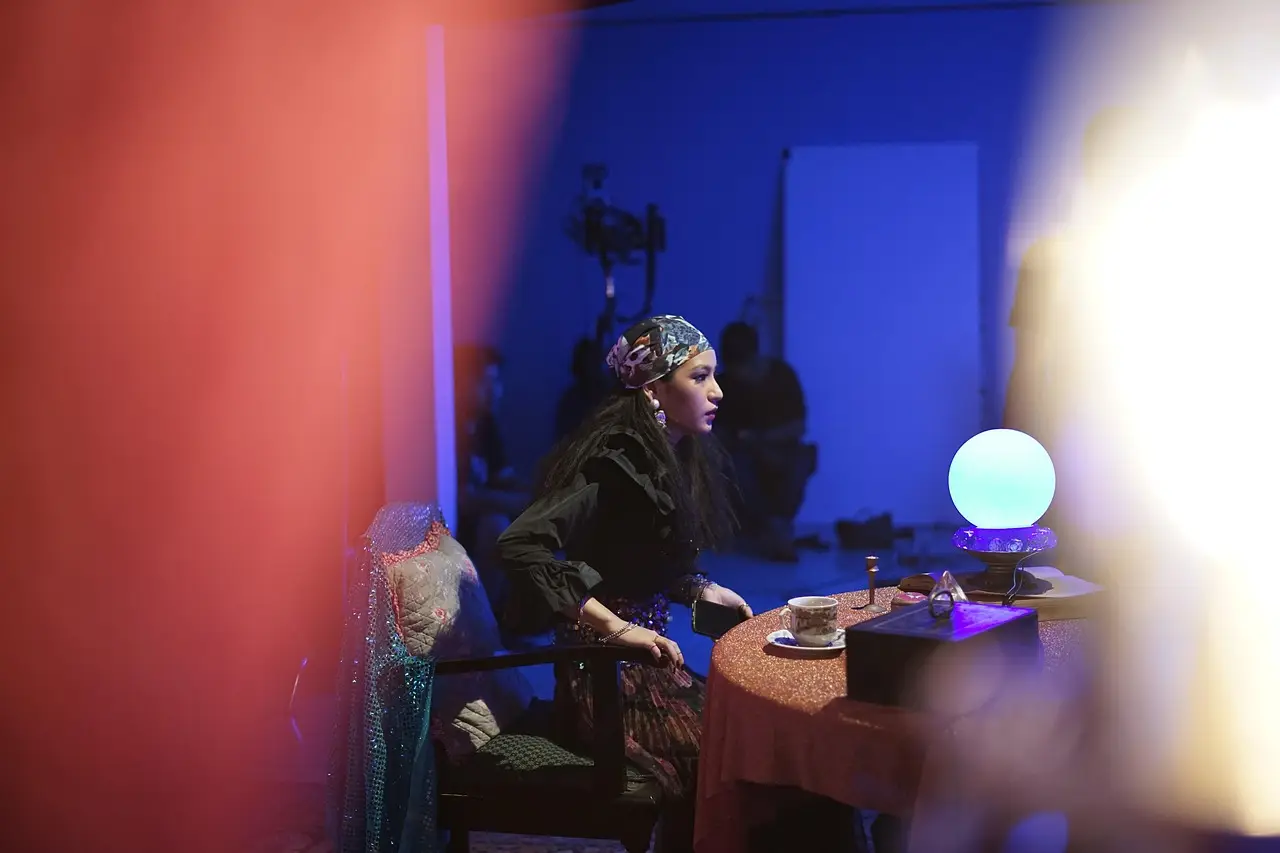
- Day-and-date windows for new hoichoi releases, arriving on Netflix alongside their Bengali debut on hoichoi. The first is The Cursed Temple of Kauriburi, a folklore horror series starring Jeetu Kamal, Solanki Roy and Paoli Dam, premiering November 6.
- Joint original series, produced by hoichoi studios, reimagining select hoichoi stories, with further details to be announced.
The two-year exclusivity window on dubbed versions is the commercial core of the arrangement. hoichoi retains its Bengali-language first-run position; Netflix buys the multi-language amplification rights. That structure lets hoichoi monetize a near-billion-person Netflix audience without surrendering its primary identity as a Bengali platform.
What changes for each platform?
For Netflix, the deal is volume arithmetic rather than prestige programming. Ritika Jain, Netflix Communications Manager, framed the strategy plainly: "Committed to delivering quality, quantity and variety, Netflix continues to complement its originals with a growing range of licensed content, bringing more third-party stories to the service in new ways." She added that the company's "global audience of approaching one billion people makes it a strong partner for studios, networks and creators."
That near-one-billion figure is Netflix's own audience claim and should be read as marketing context, not a deal term. What matters commercially is cheaper per-hour content acquisition: dubbing an existing Bengali series into three additional languages costs a fraction of producing an original in each of them.
For hoichoi, the arrangement converts a regional library into a national distribution asset. Each dubbed title reaching Netflix's Indian subscriber base represents audience exposure that hoichoi's own platform could not achieve alone in Bengali-only form. The joint-originals strand also gives hoichoi studios a production relationship with the largest global streamer, a stepping-stone other Indian regional players have used to graduate into bigger commissioning relationships.
Why licensing is back in fashion
The deal fits a broader industry correction. After several years in which global platforms privileged originals almost exclusively, licensing has returned as a cost-control instrument, particularly in price-sensitive markets such as India where subscriber growth demands constant local-language supply. Netflix's statement that it is bringing "more third-party stories to the service in new ways" confirms the shift in positioning, even if the company declined to attach financial terms to the hoichoi agreement.
The November 6 premiere of The Cursed Temple of Kauriburi serves as the first live test of the day-and-date model, with more titles promised in the coming months. The joint-original reimaginings remain unannounced in scope and count, so the next concrete signal for the market will be how the dubbed premieres perform through the 2027 window.
Also reported
Source: Advanced Television
More from Daniel Okafor
Show full bio
Senior reporter covering regulation, policy and their impact on Carrier business, 5G and 6G, fiber and broadband at Telecom Gazette.
438 articles