5G & 6G5g SaMagyar TelekomDeutsche TelekomDevice Interoperability
Magyar Telekom validates 5G SA with Samsung and Xiaomi devices
Magyar Telekom has completed 5G SA device interoperability validation with Samsung and Xiaomi, advancing its transition from NSA architecture ahead of a wider commercial rollout in Hungary.
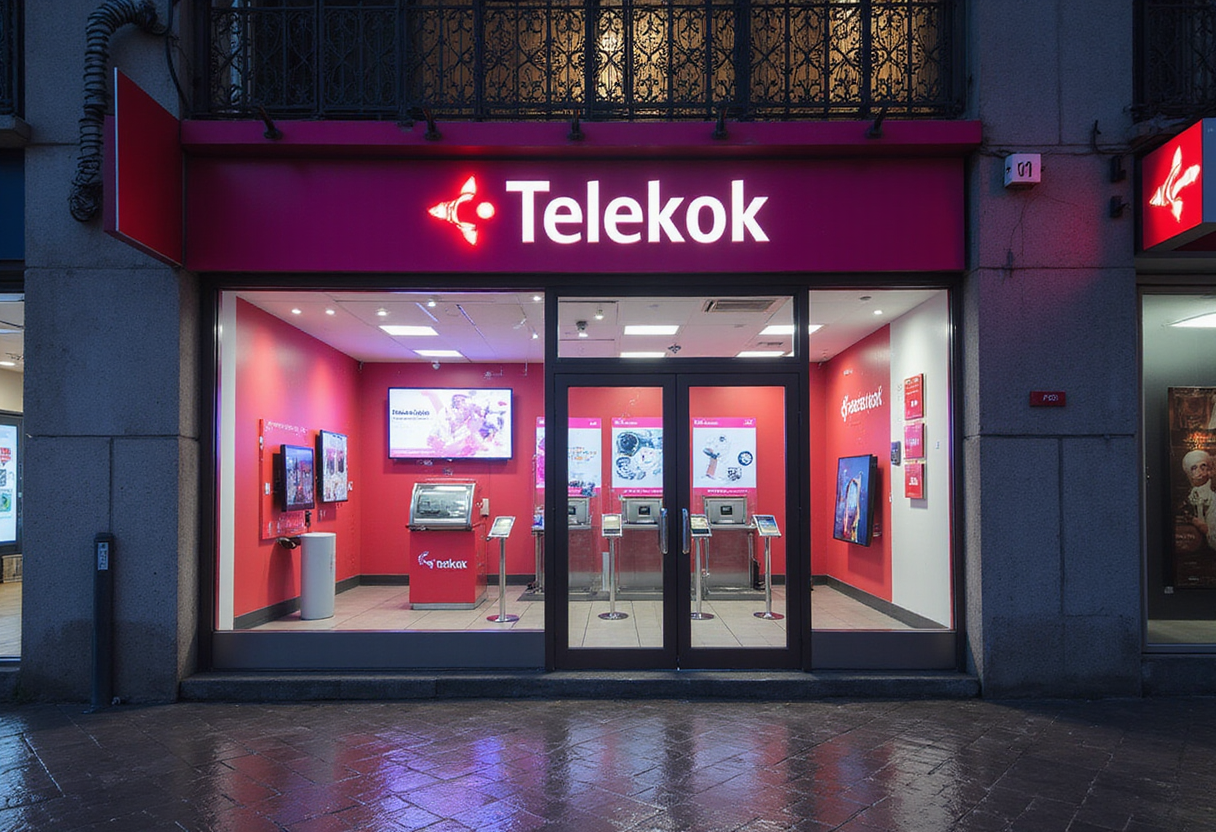 5G & 6G
Why it matters
- Magyar Telekom validated 5G SA core with Samsung and Xiaomi devices
- 5G SA removes the 4G core dependency required by current 5G NSA deployments
- Samsung and Xiaomi together held roughly 22% of global smartphone shipments in 2024
- Magyar Telekom launched commercial 5G in April 2020 on NSA architecture
- Deutsche Telekom's T-Mobile Poland has operated 5G SA commercially since late 2022
The story
Magyar Telekom has completed interoperability validation of standalone 5G core network equipment using smartphones from Samsung and Xiaomi, advancing the Hungarian operator's transition away from non-standalone architecture that still relies on a 4G EPC.
The validation work, reported by Telecompaper, marks a device-level milestone on Magyar Telekom's path to commercial 5G SA service. Standalone mode runs traffic through a cloud-native 5G core rather than anchoring to LTE signaling, which is the prerequisite for network slicing, ultra-low latency applications and the full feature set defined in 3GPP Release 15 and beyond.
What did Magyar Telekom actually test?
The operator confirmed that handsets from both Samsung and Xiaomi successfully attached to the 5G SA test environment. Device interoperability is the gating issue for any operator moving from 5G NSA to 5G SA: chipset firmware, radio resource control state machines and authentication procedures all have to be reworked for the new core interface. Passing that bar with two of the three largest Android smartphone vendors globally addresses the most pressing commercial concern — whether subscribers can use the new core on devices they already own.
Samsung and Xiaomi together accounted for roughly 22% of global smartphone shipments in 2024, according to IDC tracker data, making their participation in Magyar Telekom's validation more commercially consequential than a single-vendor test would be.
Where does this sit in Magyar Telekom's 5G roadmap?
Magyar Telekom, the Deutsche Telekom subsidiary that leads Hungary's mobile market, first switched on commercial 5G services in April 2020 using NSA configuration over its 3.6 GHz spectrum holdings. The operator reported 5G population coverage of 55% by the end of 2022 and has continued to densify the footprint. The new 5G SA validation sits on top of that radio access layer.
Deutsche Telekom's European opcos have moved at different speeds on standalone. T-Mobile Poland has run 5G SA in commercial operation since late 2022, and Deutsche Telekom Germany has progressively enabled SA in selected cities through 2023 and 2024. Magyar Telekom's validation push brings the Hungarian unit closer to that peer group.
Why does the choice of vendors matter?
A successful test with Samsung and Xiaomi does not by itself prove that every handset on the Hungarian market will connect. Apple iPhones, for instance, require their own chipset certification pathway for 5G SA, and the source does not indicate whether Magyar Telekom has reached an equivalent stage with the Cupertino vendor. Until the iPhone base migrates, the operator's commercial 5G SA footprint will only address Android subscribers — a meaningful but not complete portion of the installed base.
The validation also does not specify which Samsung and Xiaomi models were used, which spectrum band carried the test traffic, or whether the trial exercised any network slicing or edge-compute feature. Magyar Telekom has not disclosed the geographic location of the testbed.
What changes commercially for subscribers?
In practical terms, 5G SA users will see different network behavior than NSA subscribers once the operator flips the commercial switch. Latency should drop, in some configurations below 10 milliseconds, because the user plane no longer detours through 4G infrastructure. Operators also gain the ability to offer differentiated connectivity products — guaranteed bandwidth slices for enterprise customers, for example — that NSA cannot support.
Magyar Telekom has framed 5G SA primarily as an enterprise and B2B enabler in its public communications, with consumer benefits positioned as a longer-term upside.
What comes next?
The next gating step is a commercial launch decision, which requires Magyar Telekom to complete core network migration, finalize device certification across its full handset portfolio and obtain any required regulatory clearances from the Hungarian National Media and Infocommunications Authority (NMHH) for changes to its existing spectrum authorization.
The operator has not disclosed a target date for commercial 5G SA service. Industry timelines across Deutsche Telekom's European footprint suggest a measured rollout through 2025 rather than a single national switch-on, with enterprise corridors in Budapest likely to be first.
Also reported
Source: Google News: 5G network
More from Elena Vasquez
Show full bio
Market editor covering consumer brands and retail at Telecom Gazette.
152 articles