5G & 6G5g StandaloneVirgin Media O2BristolNetwork Slicing
Virgin Media O2 Switches On 5G Standalone in Bristol
Virgin Media O2 has launched 5G Standalone service in Bristol, moving beyond non-standalone 5G and adding a network milestone to its UK rivalry with EE and Vodafone.
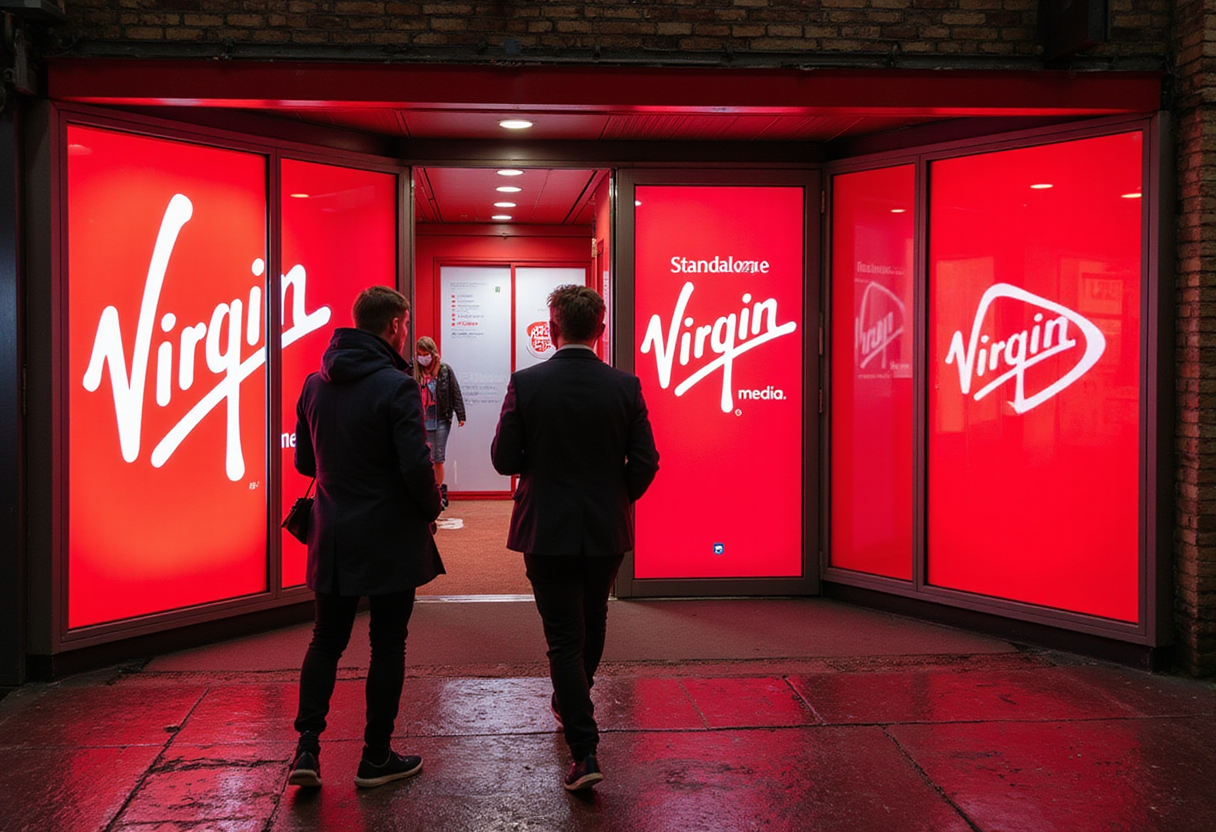 5G & 6G
Why it matters
- Virgin Media O2 has launched a 5G Standalone service in Bristol, UK.
- The deployment moves the operator beyond 5G non-standalone architecture.
- Standalone 5G requires a new 5G core and unlocks features such as network slicing.
- The operator is a Liberty Global and Telefónica joint venture competing with EE and Vodafone in the UK.
The story
Virgin Media O2 has launched a 5G Standalone (5G SA) service in Bristol, UK, marking the operator's step beyond the non-standalone architecture that has carried its 5G traffic to date.
The deployment puts Bristol among the UK cities where customers can access a true next-generation core network rather than 5G radio bolted onto existing 4G infrastructure. For most UK operators, 5G to date has run in non-standalone mode, which limits the features that distinguish 5G from 4G — notably network slicing, ultra-low latency and more efficient use of spectrum.
What changes with standalone 5G?
Standalone architecture removes the dependency on the 4G evolved packet core. A device connected to a 5G SA network registers on a 5G core from the outset, which in principle unlocks lower latency, better battery performance on compatible handsets and the ability to support enterprise services such as private network slices.
For consumers, the practical difference is often modest in day-to-day throughput terms. The commercial significance lies more in what the architecture enables operators to sell later: industrial IoT connections, guaranteed-performance slices for business customers and a foundation for future feature releases from the 3GPP standards body.
Why Bristol?
Bristol has positioned itself as one of the UK's most active smart-city testbeds, with regional programmes exploring connected transport, digital infrastructure and advanced connectivity trials. Operators frequently stage standalone launches in cities where enterprise and public-sector partners can trial services that require a 5G core, rather than simply adding capacity for smartphone users.
Virgin Media O2 — the joint venture formed from Liberty Global's Virgin Media and Telefónica's O2 UK — has competed with BT's EE and Vodafone's UK operation on network quality claims since the merger. A standalone deployment gives the company a concrete network milestone to cite in that contest.
The UK standalone race
Virgin Media O2 is not alone in making the move. UK rivals have been rolling out standalone capabilities in stages, and global operators have taken markedly different speeds: some markets in Asia launched 5G SA from day one, while most European deployments began in non-standalone mode and are upgrading cores progressively.
The economics explain the caution. A standalone core is a significant investment in new software-defined network functions, and handset support has lagged: only a subset of devices sold in the UK supports SA connections, which slows the consumer case for the upgrade.
What comes next?
For now, Bristol stands as the visible marker of Virgin Media O2's standalone ambitions. The pace at which the operator extends the service to further cities — and how quickly its device base becomes SA-capable — will determine whether the launch remains a proof point or becomes the backbone of a wider national upgrade.
Also reported
Source: Google News: 5G network
More from Elena Vasquez
Show full bio
Market editor covering consumer brands and retail at Telecom Gazette.
152 articles