Networks & InfrastructureStarlinkSpacexStarshieldUkraine
Kyiv Rejects Musk's Claim That Its Drones Broke Starlink's Rules
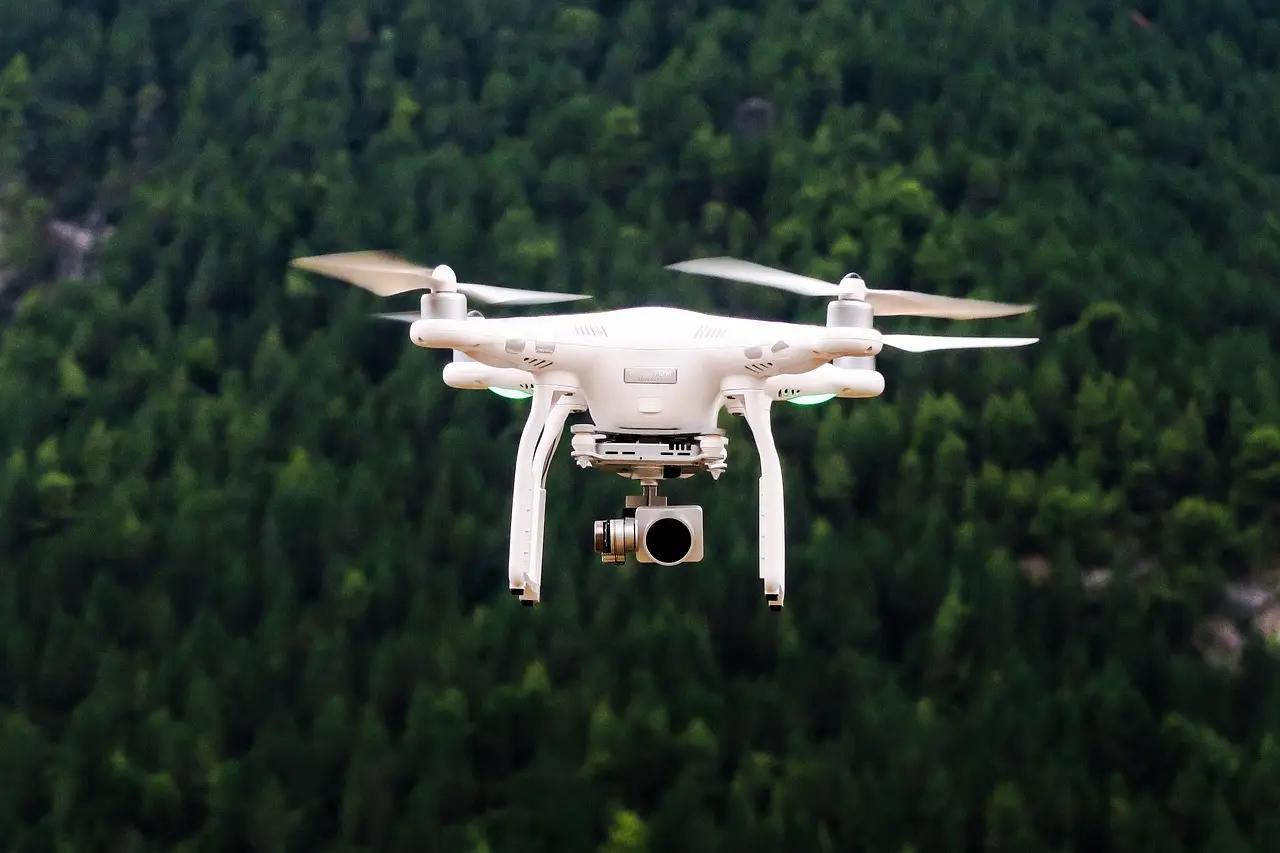
A Zelenskyy adviser says Starlink's 70–90 km/h speed caps make offensive drone use impossible, after Musk admitted SpaceX throttled the service over terms-of-service violations.
 Networks & Infrastructure
Why it matters
- Musk said on Saturday that Ukraine's military violated Starlink's terms of service and that SpaceX closed the 'loophole' last week.
- Beskrestnov said civilian Starlink drones in Ukraine are capped at 70–90 km/h and don't work in Russia, making offensive use impossible.
- Starshield drones lost connectivity at high speeds earlier this month, disrupting air defenses; caps were lifted on Saturday.
- Zelenskyy said Russia launched almost 2,300 strike drones, about 1,600 guided bombs and 48 missiles at Ukraine in one week.
- Russia agreed Wednesday to resume three-way talks with the U.S. and Ukraine next month; a localized Oleshky ceasefire was agreed Friday.
The story
Ukraine has publicly rejected Elon Musk's claim that its military violated Starlink's terms of service, saying the civilian satellite system's built-in speed restrictions make offensive drone strikes physically impossible.
Serhii Beskrestnov, a defense technology adviser to President Volodymyr Zelenskyy, said drones operated over the civilian Starlink network in Ukraine face a speed cap of 70–90 km/h (43–56 mph) and get no service at all inside Russia.
"Therefore, we physically cannot use commercial Starlink for deep strikes or medium-range strikes," Beskrestnov wrote on Telegram. "It's very strange that Elon Musk doesn't know about the restrictions on Starlink's operation in Ukraine."
What did Musk actually admit?
Musk acknowledged on Saturday that SpaceX had throttled Starlink in Ukraine, framing it as enforcement of a contract rather than a policy decision.
"Using Starlink, a civilian commercial service, for offensive drone strikes to kill people has never been allowed, nor should it be," Musk wrote. "Ukraine military violated Starlink terms of service and used it for offensive drone strikes to kill people. That loophole was closed last week."
He maintained that any changes to Starshield, the military-grade variant that carries Ukraine's drone operations and communications, rest with the U.S. government rather than SpaceX. That distinction hasn't settled the question of who ordered the interruptions.
President Donald Trump has said he didn't make the call. Vice President JD Vance has hinted at White House coordination with Musk. Kyiv, for its part, keeps asking.
How badly did the outage bite?
Earlier this month, Ukrainian drones connected to Starshield lost connectivity at high speeds. The drop disrupted air defenses during daily Russian air attacks. Officials said the speed caps were lifted on Saturday and the service restored.
The restrictions imposed last week alarmed commanders, who reported lost drones and disrupted missions. They also strained a Kyiv–Washington relationship already frayed by Trump's reported deal to import diesel from Moscow, which Ukraine considered a betrayal.
Did the outage end because of diplomacy?
The restoration coincided with a fresh U.S. push to end the war. Russia agreed Wednesday to resume three-way negotiations with Washington and Kyiv next month. On Friday, Kyiv and Moscow agreed to a localized ceasefire around Oleshky, a Russian-occupied town in Ukraine's southern Kherson region, brokered by first lady Melania Trump.
The war's tempo gives the talks a grim backdrop. Zelenskyy said Sunday that Russia had launched nearly 2,300 strike drones at Ukrainian cities over the past week, alongside about 1,600 guided bombs and 48 missiles of various types, including ballistic ones.
"This week alone, Russia has launched about 1,600 guided bombs, 48 missiles of various types, including ballistic missiles, and almost 2,300 strike drones at Ukraine," Zelenskyy wrote in an online post. He said the attacks hit nine regions, damaging power plants, grain stores, civilian homes and commercial facilities, and renewed his call for faster Western deliveries of interceptors.
What happened on the ground?
The human toll kept climbing on both sides. More than 20 overnight attacks on Ukraine's Dnipropetrovsk region killed four people — three at the scene and one later in hospital — and injured over a dozen, according to regional military administration head Oleksandr Hanzha.
A Russian drone strike on a residential building in central Vinnytsia injured at least six people and damaged a nearby care home, with crews evacuating 15 elderly residents, the state emergency service said. Consecutive strikes on a Kharkiv shopping center wounded four late on Saturday, including three rescue workers — a pattern Kyiv says fits Russia's "double-tap" tactic of hitting rescuers as they arrive.
Russia's Defense Ministry claimed its Kharkiv targets, including a shopping and logistics center, stored dual-use goods for the Ukrainian military.
In Russia, governor Alexander Shuvayev said two people died and 13 were injured in Belgorod, 40 km from the Ukrainian border, after what he called "mass" nighttime drone strikes by Kyiv. In Oryol, a fourth victim was pulled from the rubble of a Ukrainian strike on an industrial plant, governor Andrey Klychkov said. Ukraine's General Staff said the plant makes components for the cruise and ballistic missiles Russia fires at its cities.
With Starlink restored, talks set for next month and the drone count still climbing, Ukraine's dependence on one American company for wartime connectivity remains the quiet vulnerability in this story.
Also reported
Original: apnews.com
More from Amara Osei
Show full bio
News editor covering technology and product news in Carrier business, 5G and 6G, fiber and broadband at Telecom Gazette.
402 articles