Networks & InfrastructureSpacexStarlink MobileDirect To DeviceCell Towers
SpaceX in Talks for 80,000 US Cell Sites to Build Starlink Mobile
SpaceX is negotiating leases on at least 80,000 US cell sites, with Crown Castle among tower companies in talks worth billions, as it targets an early 2028 direct-to-device launch.
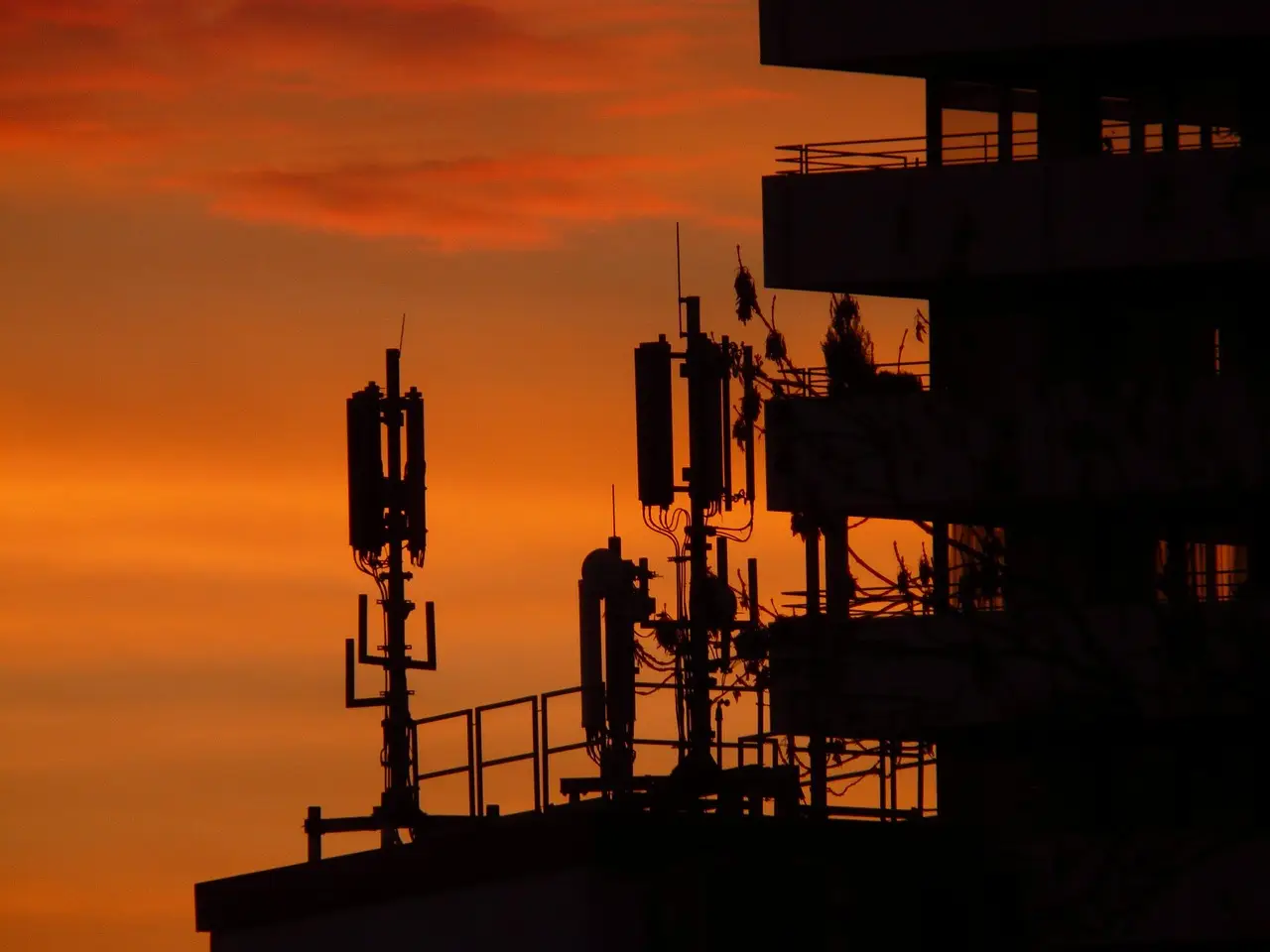 Networks & Infrastructure
Why it matters
- SpaceX is in talks to lease at least 80,000 US cell sites, Bloomberg reports
- Crown Castle is among tower companies negotiating deals potentially worth billions of dollars
- SpaceX targets early 2028 for its own direct-to-device service launch
- SpaceX agreed to acquire up to 14MHz of paired 800MHz spectrum from Grain Management
- The FCC approved launch of 15,000 next-generation D2 satellites
The story
SpaceX is negotiating leases for at least 80,000 US cell sites, according to Bloomberg, as it assembles the ground infrastructure for a nationwide mobile network aimed squarely at AT&T, Verizon and T-Mobile US.
Crown Castle, one of the largest US tower operators, is among the companies in discussions with SpaceX. Bloomberg reports the potential deals are worth billions of dollars. On an earnings call this week, Crown Castle CEO Chris Hillabrant confirmed the company is holding talks across the satellite telecommunications sector but declined to name customers. "You can assume that we're talking to all parties," he said.
For tower companies, the talks matter commercially. An anchor tenant deploying across 80,000 sites would rank among the largest infrastructure builds in recent US history. For comparison, a nationwide macro network of that scale sits in the same order of magnitude as the footprints the Big Three carriers spent two decades assembling. A single leasing programme of this size would reshape tower revenue expectations almost overnight.
What is SpaceX actually building?
The tower agreements would form a key part of SpaceX's plan to combine satellite connectivity with ground-based infrastructure. This is a hybrid architecture, not a pure space play. The satellites cover wide areas; the cell sites deliver capacity and urban coverage where satellites alone cannot match terrestrial performance.
The timeline is concrete. SpaceX is targeting early 2028 for the launch of its own direct-to-device (D2D) service, following deployment of its second-generation Starlink Mobile constellation expected next year. That gives the company roughly three years to sign leases, deploy equipment and integrate spectrum.
The spectrum position is now largely settled. Earlier this month, SpaceX agreed to acquire up to 14MHz of paired spectrum in the 800MHz band from Grain Management. Chief Elon Musk called the deal "the last critical piece of the spectrum puzzle needed for SpaceX to provide complete phone coverage in America". Low-band 800MHz is well suited to wide-area coverage, the same physics that underpins incumbent rural networks.
The regulatory groundwork is also in place. The Federal Communications Commission has approved the launch of 15,000 next-generation satellites for D2D services. SpaceX president Gwynne Shotwell said on the company's Q3 earnings call that the spectrum deal and satellite approval "pave the way for Starlink Mobile to become a major mobile carrier in the US".
How do incumbents respond?
Not with alarm, at least publicly. AT&T CEO John Stankey argued earlier this week that matching incumbent network performance takes far more than spectrum and satellites. "I think it takes a lot of years and a huge level of investment to get to the kind of performance levels that customers have become accustomed to in scaled networks," he said.
Stankey pointed to AT&T's extensive low-band spectrum holdings and existing infrastructure, arguing the operator already serves customers across established coverage areas. The implicit message: coverage maps are won over decades, not announced through acquisitions.
T-Mobile has taken a similar line. CEO Srini Gopalan told the Financial Times in August that the threat from satellite providers had been exaggerated, questioning what consumer problems a new entrant would actually solve. T-Mobile, notably, has its own commercial interest in framing satellite competition as marginal, given its existing position in the D2D market.
What should practitioners watch?
Three signals will indicate whether Starlink Mobile is a genuine fourth national carrier or a niche coverage player. First, the pace of signed tower leases: 80,000 sites under discussion is not 80,000 sites under contract. Second, the deployment of the second-generation Starlink Mobile constellation next year, which the 2028 service launch depends on. Third, device ecosystem support, since D2D at scale requires handsets certified for the relevant bands.
The scepticism from Stankey and Gopalan reflects real barriers: capital intensity, integration complexity and customer acquisition in a saturated market. Yet SpaceX has already cleared the two hurdles incumbents most often cited as disqualifying, holding licensed low-band spectrum and holding FCC approval for its constellation. Whether the tower negotiations convert into executed leases over the coming quarters will be the clearest test of intent.
Also reported
Source: Mobile World Live
More from Daniel Okafor
Show full bio
Senior reporter covering regulation, policy and their impact on Carrier business, 5G and 6G, fiber and broadband at Telecom Gazette.
395 articles