Spectrum & PolicyM1Keppel CorporationSimbaImda
Keppel's M1 sale stalls amid IMDA spectrum probe into Simba
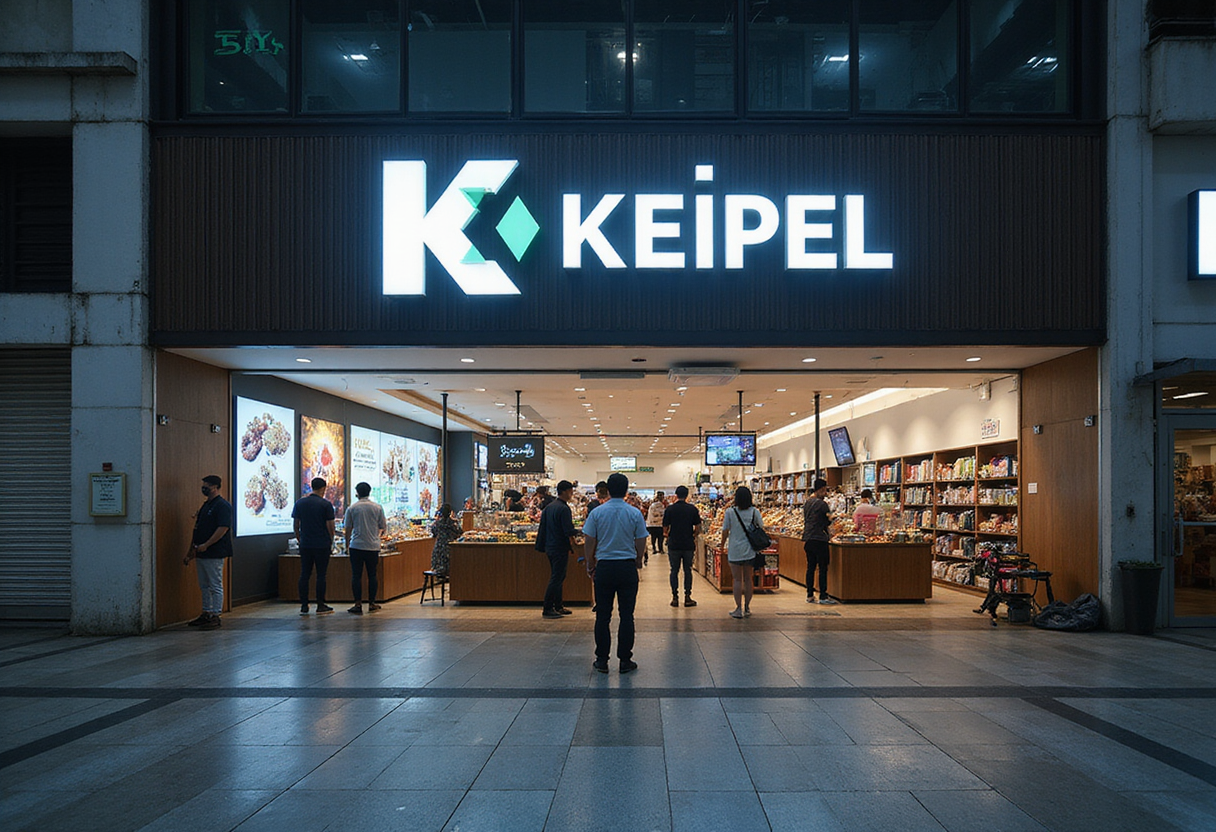
Keppel's planned divestiture of Singapore mobile operator M1 has stalled after the Infocomm Media Development Authority opened an investigation into alleged spectrum breaches by rival carrier Simba.
 Spectrum & Policy
Why it matters
- Keppel had been marketing M1 to potential acquirers and the trade sale had reached an advanced stage before the spectrum allegations became public.
- IMDA's investigation targets alleged breaches of spectrum conditions by Simba, formerly TPG Telecom Singapore.
- M1 holds full mobile network operator status alongside Singtel and StarHub in Singapore.
- IMDA has not publicly disclosed the timeline or scope of its Simba investigation.
- Until the inquiry concludes, the M1 sale is expected to remain in limbo, tied to a regulatory outcome rather than commercial negotiation.
The story
By James Calloway
The proposed divestiture of Singapore mobile operator M1 by Keppel Corporation has stalled after the Infocomm Media Development Authority opened an investigation into alleged spectrum breaches by rival carrier Simba.
IMDA's inquiry targets claims that Simba, the operator that rebranded from TPG Telecom Singapore, has operated outside the conditions attached to its spectrum holdings. The regulator has not confirmed which bands or licence terms are under examination.
The probe has injected fresh uncertainty into Keppel's planned exit from Singapore telecoms at a moment when prospective buyers had been circling the asset.
What does the IMDA probe change for the deal?
The regulator's involvement removes any near-term path to closing. Keppel had been marketing M1 to potential acquirers, and the trade sale had reached an advanced stage before the allegations became public.
A finding against Simba could reshape the competitive case for an acquisition by altering how acquirers value M1's own airwave position relative to a rival that has accumulated spectrum under contested terms. Buyers may now demand indemnities tied to the wider spectrum standing of competitors, a clause rarely needed when licence compliance is treated as routine.
M1 holds full mobile network operator status, alongside Singtel and StarHub, in a market long defined by those three players. Simba entered Singapore as a mobile virtual network operator before securing its own spectrum rights, placing it in direct competition with the established trio and reshaping the four-player dynamic that defines Singapore mobile today.
The inquiry lands at a sensitive point in Singapore's spectrum policy cycle. IMDA has tightened oversight of spectrum assignment as the country positions its networks for the next phase of 5G investment, with deployment milestones now tied to most airwave licences issued in recent years. Compliance with those milestones has become a focal point of regulator-vendor engagement.
Simba's alleged breaches, if substantiated, would establish precedent for how IMDA handles subsequent spectrum compliance cases. The agency's enforcement decisions shape investor confidence in Singapore's airwave framework and influence how operators price spectrum acquisitions.
For Keppel, the stall delays the planned exit from M1. The conglomerate has been seeking to monetise its stake in the carrier, and any delay pushes back potential proceeds from a sale counted on as a non-core divestment.
A protracted IMDA probe would force the company to extend the M1 sale timetable, accept revised terms once the inquiry concludes, or re-enter the market with M1 at a later date. Each option carries a cost measured against Keppel's broader capital allocation plans.
IMDA has not publicly disclosed the timeline or scope of its investigation into Simba. Keppel has not commented on the regulator's action or its implications for the M1 sale process.
Until the inquiry concludes, the sale is expected to remain in limbo, with completion tied to a regulatory outcome rather than commercial negotiation.
The episode underscores how spectrum compliance has become a binding constraint on Singapore telecoms M&A. Buyers now face heightened diligence on the standing of every licence in a target's portfolio, and any open inquiry, regardless of outcome, can pause a transaction that was weeks from completion.
The next signal to watch is whether IMDA publishes preliminary findings or whether Keppel extends the M1 sale process to absorb the inquiry timeline. Until the regulator concludes its work, the transaction will remain bound to a process outside either party's commercial control.
Also reported
Source: Google News: telecom mergers
More from James Calloway
Show full bio
Staff writer covering companies, deals and strategy in Carrier business, 5G and 6G, fiber and broadband at Telecom Gazette.
236 articles