Carriers & OperatorsM1Simba TelecomSingaporeM A
Simba–M1 Merger Talks Collapse in Singapore Mobile Market
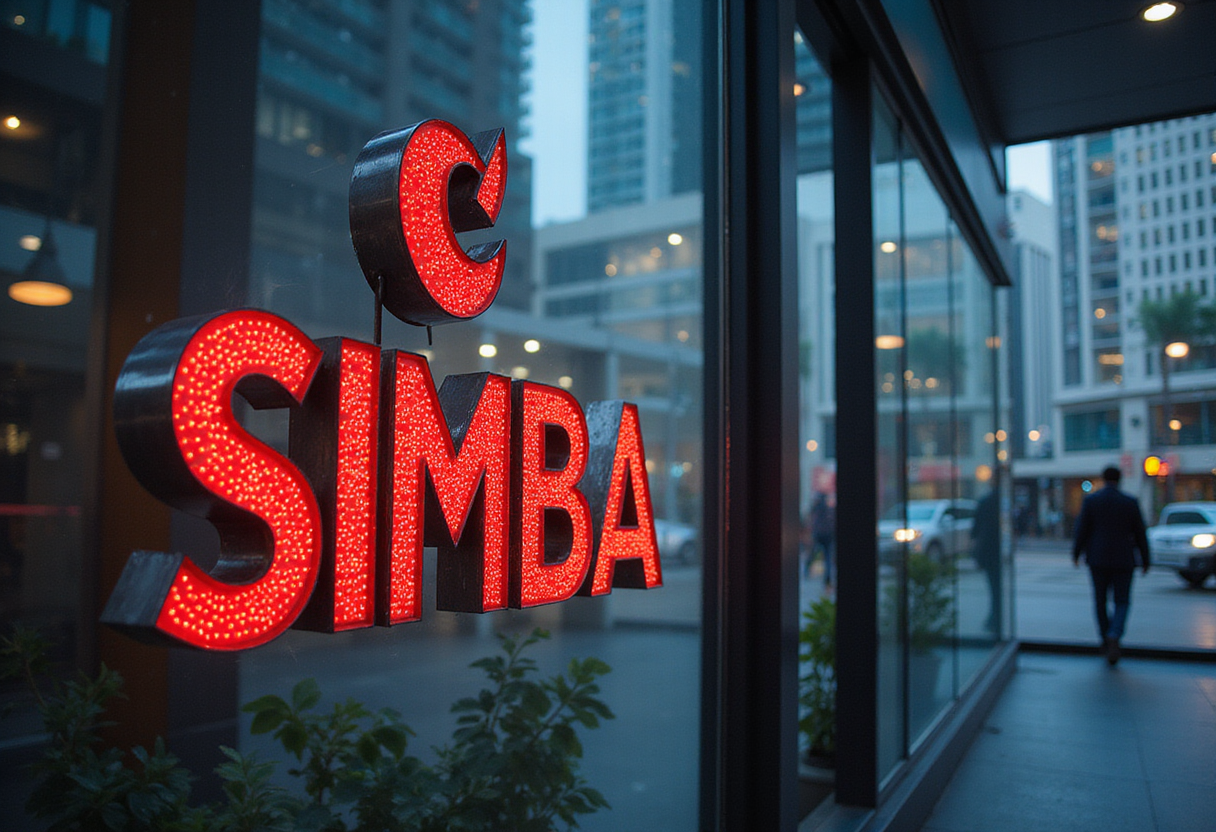
The Simba Telecom–M1 merger has collapsed, leaving Singapore's crowded mobile market intact and deferring the consolidation analysts long expected in the sector.
 Carriers & Operators
Why it matters
- The proposed Simba Telecom–M1 merger in Singapore has collapsed.
- The failure preserves the existing multi-operator competitive structure in Singapore's mobile market.
- Singapore admitted new mobile entrants in 2016, triggering years of price pressure.
- M1 was taken private in 2019 by a Keppel-led consortium.
The story
The proposed merger between Singapore mobile operators Simba Telecom and M1 has collapsed, ending a deal that could have consolidated one of Asia's most competitive wireless markets into a smaller pool of players.
Data Center Dynamics reported the breakdown of the transaction, which had been discussed as a route to rationalizing a market long viewed as oversupplied. Neither party will proceed with the combination. The collapse leaves Singapore's mobile sector with its existing competitive structure intact.
For operators and their suppliers, the immediate consequence is continued fragmentation. Singapore has supported multiple facilities-based mobile operators since regulators admitted new entrants in 2016, when the Infocomm Media Development Authority licensed additional players to challenge the incumbent trio. Simba, formerly TPG Telecom's Singapore operation, entered as one of those challengers. M1, the smallest of the three incumbents at the time, is owned by Keppel and SP Group via a consortium that took the operator private in 2019.
Why did the merger matter?
A Simba–M1 combination would have reduced the number of full mobile network operators in Singapore and likely triggered a detailed review by the Competition and Consumer Commission of Singapore. Mergers that remove a competitor in concentrated markets routinely attract remedies, spectrum divestments, or outright prohibition. The parties evidently could not reach terms that satisfied both commercial interests and the likely regulatory path.
Pricing pressure in Singapore has been severe since the 2016 market opening. New entrants pushed unlimited-data plans and aggressive postpaid pricing, compressing average revenue per user across the board. Consolidation was widely seen among analysts as the logical endgame. This deal's failure postpones that endgame indefinitely.
What changes for practitioners?
Network teams at both operators now face standalone planning horizons. Investment cycles in 5G rollout, spectrum renewals, and core network upgrades must be funded without merger synergies. Vendors that had anticipated contract consolidation or network integration work will see those opportunities evaporate.
For consumers, the status quo holds. Four-player competition continues to pressure tariffs. Regulators at IMDA have consistently prioritized consumer outcomes over operator margin recovery, and this outcome preserves that stance.
For rival operators Singtel and StarHub, the collapse removes the near-term threat of a stronger consolidated competitor wielding combined spectrum and a denser network. Those incumbents can plan pricing and capex against the existing market map.
What comes next?
Simba must chart a standalone course after years in which observers speculated about its exit or absorption. The operator has pursued roaming partnerships and enterprise diversification to offset retail price pressure. M1's owners, Keppel in particular, retain an asset whose strategic value remains subject to debate, given Keppel's broader pivot toward data centers, infrastructure, and asset-light services.
Renewed merger attempts cannot be ruled out, whether between these parties or different pairings. Market observers have long argued Singapore's mobile sector supports fewer operators than it currently licenses. Any future deal would still need to clear the same competition hurdles that loomed over this one.
The collapse confirms that regulatory arithmetic, not just commercial appetite, decides consolidation in mature Asian telecom markets. Until an operator, an investor, or the regulator changes the underlying equation, Singapore's wireless sector stays crowded, cheap for consumers, and margin-starved for the players inside it.
Also reported
Source: Google News: telecom mergers
More from Daniel Okafor
Show full bio
Senior reporter covering regulation, policy and their impact on Carrier business, 5G and 6G, fiber and broadband at Telecom Gazette.
271 articles