Spectrum & PolicyFccNtiaRichard HudsonRichard Ojeda
House Communications Chairman Richard Hudson Loses Seat to Democrat Richard Ojeda
House Communications Subcommittee Chairman Richard Hudson conceded his North Carolina seat on Nov. 4, trailing Democrat Richard Ojeda by 6,000 votes, in a first-ever defeat for a sitting NRCC chair.
 Spectrum & Policy
Why it matters
- Rep. Richard Hudson conceded on Nov. 4 while trailing by 6,000 votes in North Carolina's 9th District
- Hudson was reportedly the first NRCC Chairman to lose re-election
- Democrat Richard Ojeda, 55, a retired U.S. Army major and former West Virginia state senator, won the seat
- The subcommittee Hudson chaired oversees the FCC and NTIA
- The defeat came amid a broader GOP loss of House and Senate control
The story
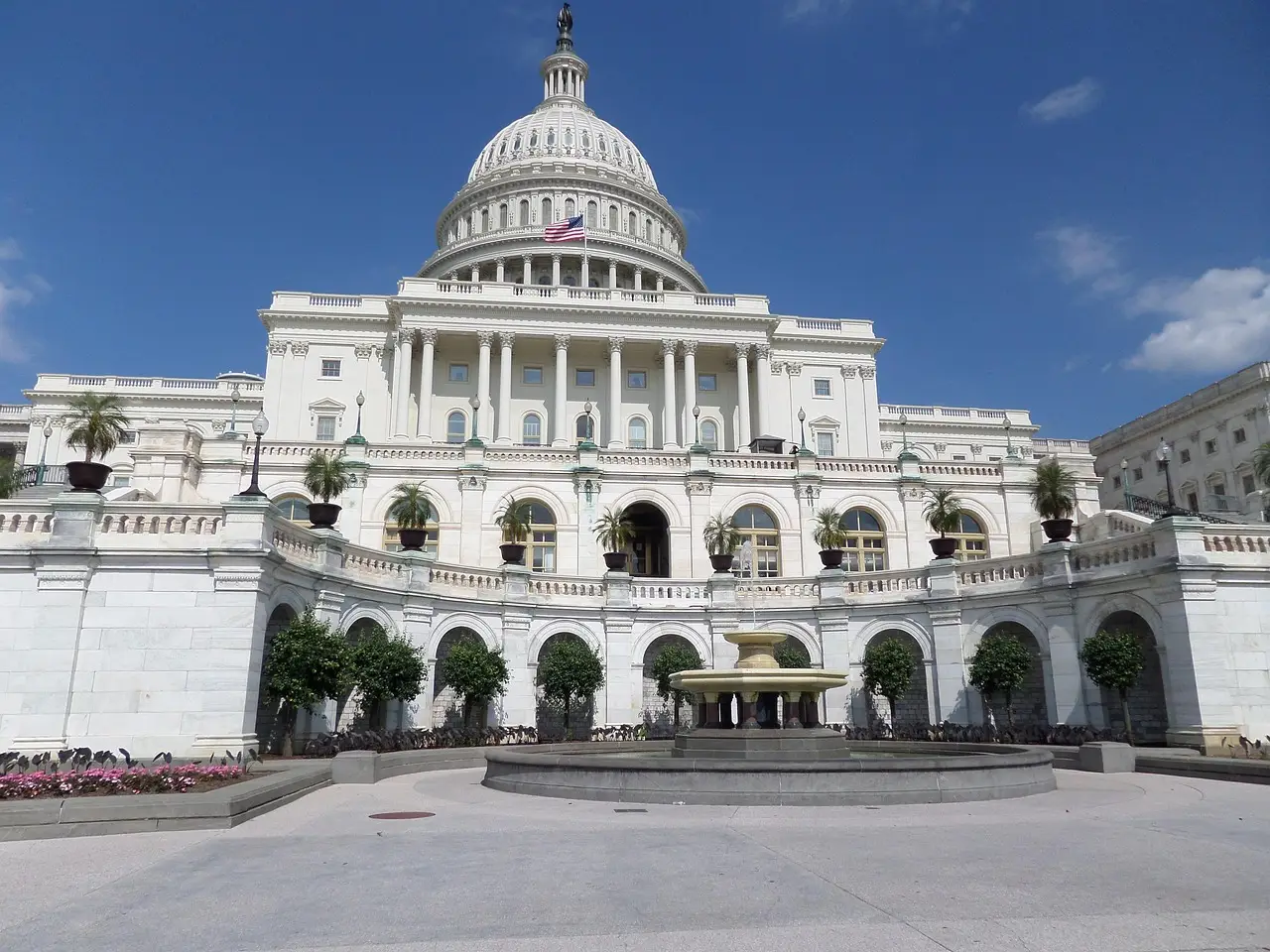
Representative Richard Hudson, the North Carolina Republican who chaired the House Communications and Technology Subcommittee, conceded defeat on November 4 while trailing by 6,000 votes — and with his loss, Congress loses the gavel-holder of the panel that oversees the FCC and NTIA.
Hudson's defeat carries a double weight for the GOP. Beyond the subcommittee chairmanship, he led the National Republican Congressional Committee, the party's fundraising arm for House candidates. He was reportedly the first NRCC Chairman in the organization's history to go down to defeat in his own race. The Associated Press has reportedly not yet called the contest, but Hudson moved to close it out himself.
What does the defeat change on Capitol Hill?
The House Communications and Technology Subcommittee sits at the center of every major telecom policy fight. It has direct oversight of the Federal Communications Commission and the National Telecommunications and Information Administration, the two agencies that shape spectrum policy, broadband subsidy programs and equipment rules. Hudson's departure opens the chairmanship at a moment when the FCC's agenda is already in flux.
The political backdrop sharpened the stakes. Vice President Vance argued that the Iran war handed Democrats control of both the House and the Senate, according to a separate report in the same roundup. A Democratic-controlled House would flip the subcommittee gavel to the minority party regardless of Hudson's own fate, but his personal defeat removes one of the Republican conference's most senior communications policymakers from the chamber entirely.
Who is Richard Ojeda?
Hudson's Ninth Congressional District seat goes to Democrat Richard Ojeda, 55, a retired U.S. Army major. Ojeda previously served in the West Virginia State Senate and ran unsuccessfully for both the House and the Senate from West Virginia before relocating to North Carolina. He briefly launched a 2020 presidential campaign that never reached the primary ballot. His win in a district Hudson held through three cycles as NRCC Chairman marks one of the cycle's more abrupt reversals for House Republicans.
Hudson struck a conciliatory tone in an emailed statement. "Last night, the voters of North Carolina's 9th District made their choice, and I respect it," he said. "I called to congratulate Richard Ojeda on his victory. I wish him well and look forward to working with him to ensure a smooth transition for the people of North Carolina's Ninth Congressional District."
A broader reshuffle for telecom watchers
Hudson's exit lands amid a cluster of developments that will shape the policy environment his successor inherits. Among the items now in motion:
- FCC Democrat Anna Gomez took a victory lap after what the roundup described as a GOP shellacking.
- SpaceX called the FCC's $4.5 billion high-cost fund "corporate welfare" and began offering free hardware upgrades to Starlink's earliest customers.
- Spectrum announced a short-term broadband speed upgrade ahead of the Grand Theft Auto VI rollout.
- Nexstar reported Q3 revenue of $2.1 billion with $250 million in net income, while financially troubled Optimum skipped its Q3 earnings call with analysts and added two board members to a special committee examining financial options.
- Sinclair's CEO urged all MVPDs to adopt Charter's video strategy, and a radio host who left the air over FCC equal-time rules lost a Connecticut Senate bid.
For the telecom sector, the immediate question is who takes the subcommittee gavel in the new Congress. The outcome will help determine how quickly the FCC's pending items — from spectrum legislation to broadband funding fights — move once the House reorganizes in January.
Also reported
Original: substackcdn.com
More from Elena Vasquez
Show full bio
Market editor covering companies, deals and strategy in Carrier business, 5G and 6G, fiber and broadband at Telecom Gazette.
416 articles