Spectrum & PolicyFcc28 Ghz SpectrumEarth Stations In MotionNon Geostationary Satellites
FCC opens 28.35-28.6 GHz band to ships, vehicles and aircraft
The FCC's November 20, 2026 decision opened the full 28.35-28.6 GHz band to ESIM terminals, lifting a 2020 hold and allowing non-geostationary satellite links for ships, vehicles and aircraft.
 Spectrum & Policy
Why it matters
- November 20, 2026: The FCC voted to open the full 28.35-28.6 GHz band to ESIM terminals.
- The vote resolves a 2020 deferral covering the 28.35-28.4 GHz portion.
- Permitted services cover ships, vehicles and aircraft receiving from non-geostationary satellites.
- The FCC cited public spectrum use, American space superiority and drone dominance as policy priorities.
- No operator, vendor, subscriber, throughput or rollout figures accompanied the announcement.
The story
By James Calloway
The FCC has voted to let ships, vehicles and aircraft receive broadband from next-generation satellite constellations across the full 28.35-28.6 GHz band, lifting a 2020 hold on the 28.35-28.4 GHz portion.
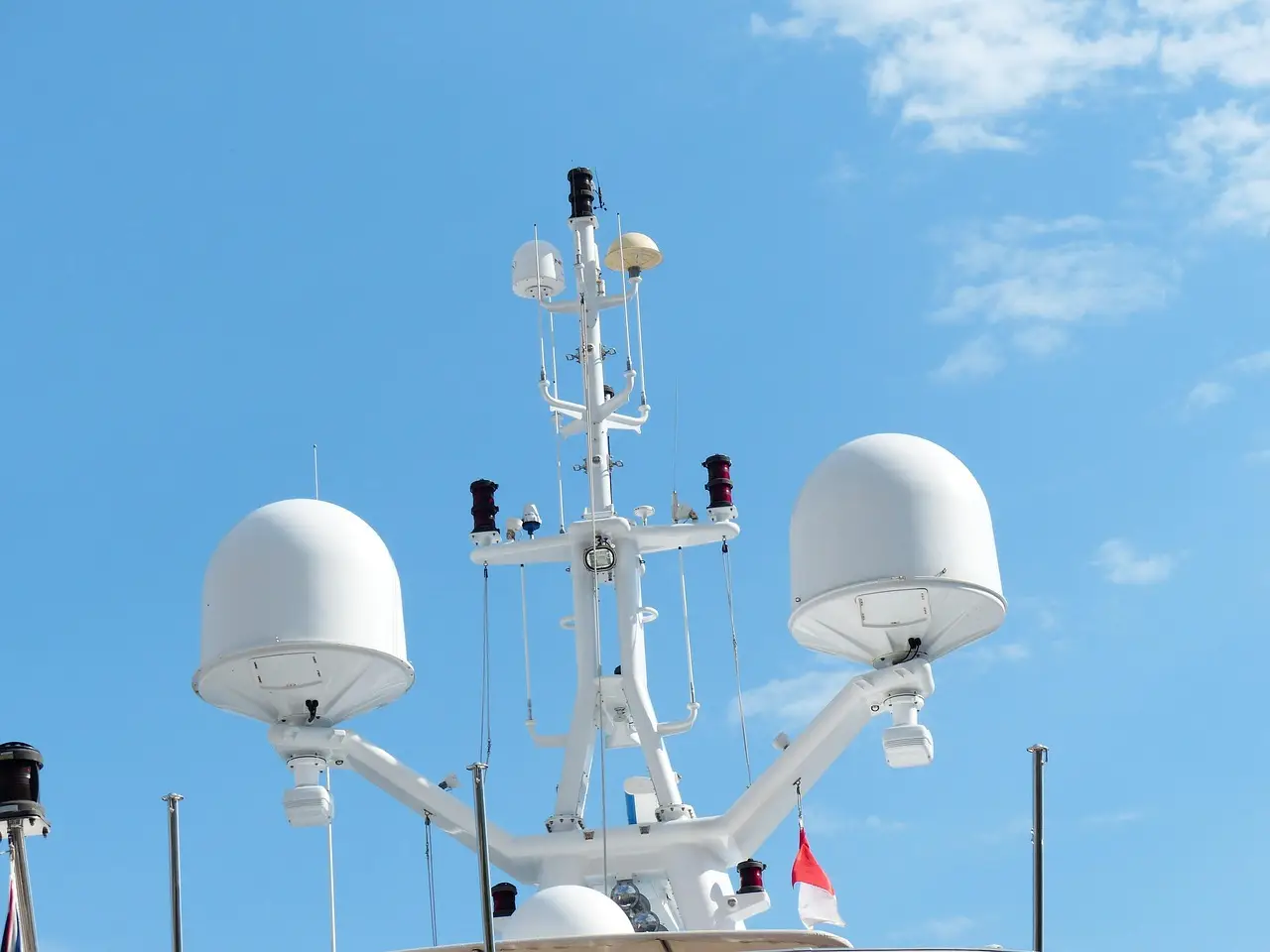
The decision allows Earth Stations in Motion, or ESIMs, to receive broadband connectivity from non-geostationary satellites while in motion. It is a regulatory change in the United States, not the launch of a named network or service. The announcement names no operator or vendor and gives no subscriber total, coverage footprint, throughput figure or rollout date.
What does this change for ships, vehicles and aircraft?
A satellite terminal aboard a moving vessel, vehicle or aircraft can now receive from non-geostationary constellations across the whole 28.35-28.6 GHz band, rather than only the portion available before the vote. The authorization covers broadband for on-the-move use.
Those terminals no longer face the specific regulatory hold on the 28.35-28.4 GHz segment. The change nevertheless does not establish service on a particular route, at a particular price or on a particular schedule, because the announcement sets out no commercial terms or implementation timetable.
The FCC described the measure as advancing several policy objectives: “lighting up fallow spectrum for the public,” “achieving American space superiority,” and “unleashing drone dominance.” The wording states the agency’s case for the rule; the announcement offers no measurements demonstrating those broader outcomes.
Drones appear in that policy language. The operative authorization described in the announcement, however, covers ESIM connectivity for boats, vehicles and aircraft; it describes no separate drone allocation or operating regime. Any practical effect for drone services would therefore depend on how the FCC implements the wider authorization and how operators develop services under it.
Why did the FCC defer part of the band in 2020?
In 2020, the FCC voted to allow ESIM operations in the 28.35-28.6 GHz band but deferred the 28.35-28.4 GHz portion. The Commission said that hold safeguarded adjacent bands against interference.
The November 20, 2026 vote resolves that deferment and makes the full band available for ESIM reception from non-geostationary satellites. The change concerns terminals used in motion; the announcement describes no wider alteration to satellite use of the band.
The FCC said: “The record has shown the public will benefit from services in this band without harming other licensees.” That is the agency’s conclusion based on the record it cited. The announcement does not cite interference measurements, compare alternative spectrum options or quantify the claimed public benefit.
The commercial case remains unquantified
The FCC’s announcement describes ESIM connectivity as a thriving industry as satellite networks scale and operators expand on-the-move services to consumers. It supplies no figures for subscribers, covered routes, ship or aircraft installations, revenue or speeds, so the statement establishes direction rather than a measured market size.
Commercial availability still depends on satellite operators putting the necessary capacity and service into use. The rule permits reception from non-geostationary constellations; it does not announce a constellation contract, a new satellite deployment or a consumer launch schedule. Those details must come from the companies building and selling the services.
The regulatory decision is concrete; the commercial effect is not yet measurable from the announcement. What this changes for fleets, aircraft operators and service providers is the spectrum they may use, not proof that coverage, capacity or pricing is available today.
The next milestone is conversion of the full-band ESIM permission into commercial deployments, but the FCC announced no rollout dates, capital commitments or operator targets. The policy timetable ends with authorization; the investment and service timetable remains unspecified.
Also reported
Source: Advanced Television
More from James Calloway
Show full bio
Staff writer covering companies, deals and strategy in Carrier business, 5G and 6G, fiber and broadband at Telecom Gazette.
565 articles