5G & 6GEricssonIntegrated Sensing And Communication Isac5g6g
Ericsson Puts $100 Million Behind ISAC Drone-Sensing Platform
Ericsson commits $100 million to ISAC drone-tracking platform for 5G networks, with commercial pilots next year, wide deployments in 2028 and a standards debate looming at WRC-2027.
 5G & 6G
Why it matters
- Ericsson has committed $100 million to ISAC and expects a commercial product within two years
- Sensing-only commercial pilots planned next year; wide deployments expected in 2028
- Validated tests tracked micro drones at kilometre distances with precise 3D positioning
- Standards debate on ISAC expected at the 2027 World Radiocommunication Conference
- Ericsson Federal CEO said Huawei reportedly has more than 300 ISAC-capable systems operating, a figure he cautioned might be inexact
The story
Ericsson has committed $100 million to Integrated Sensing and Communication (ISAC) technology and expects a commercial product within two years, placing an early bet that mobile networks can double as wide-area drone-tracking sensors. The Swedish vendor unveiled its ISAC platform for operators' 5G networks this week, aiming at defence, public safety and critical infrastructure customers.
The announcement lands ahead of a standards debate on the technology expected at the 2027 World Radiocommunication Conference, giving Ericsson a commercial head start on the international regulatory timeline.
How does the network become a sensor?
ISAC works by analysing radio signals reflected from objects, in much the same way radar does. Ericsson's system lets operators detect and track moving objects that are not connected to the network at all, combining sensing-capable 5G radios, edge computing, AI and signal processing.
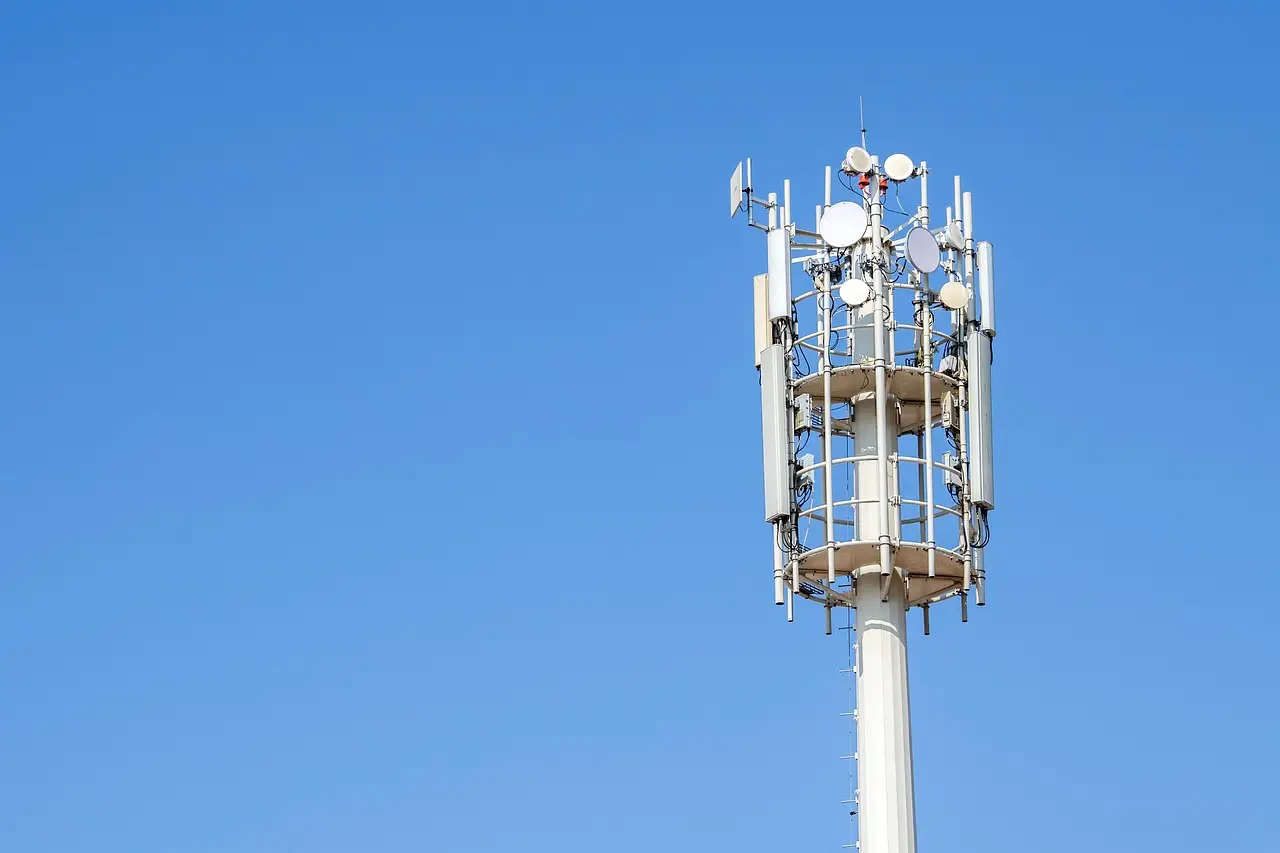
The platform targets low-altitude objects across wide areas and supplements radar and other sensors rather than replacing them. Observing a target from different angles improves accuracy and keeps tracking uninterrupted, so the system sends and receives sensing signals from several separate network sites. It runs on existing towers, backhaul and spectrum, and can pass tracking data to authorised security and command systems.
What has been tested so far?
Ericsson said validated tests showed the system tracking micro drones at distances of kilometres, with precise 3D positioning. The vendor caveats that results depend on the target's flight profile, the terrain and the system configuration.
Two live demonstrations have already taken place:
- AT&T and Ericsson ran a drone-detection demonstration near AT&T Stadium in Arlington, Texas, during the FIFA World Cup football tournament several months ago.
- Ericsson and Erillisverkot, the Finnish state-owned ICT company, ran live demonstrations at a Helsinki cargo harbour, using sensing data from several network points to detect small, low-altitude drones.
Following testing over recent months, Ericsson plans small-scale, sensing-only commercial pilots with selected customers next year. Wider deployments are expected in 2028. An integrated communications capability will be added as ISAC evolves towards 6G.
Where does the competition stand?
Although the industry has touted ISAC as a flagship capability of future 6G networks, several demonstrations and trials have already run on parts of 5G networks in 2026, and Ericsson is not alone in the field.
Samsung and Verizon trialled near-real-time crowd-density mapping in Dallas, Texas, exploring venue-management use cases. Verizon and Qualcomm separately tested tracking of drones and ground vehicles at the chipmaker's campus in San Diego, California.
The most direct rival may be Huawei. Ericsson Federal CEO Christopher Ling previously told Mobile World Live that Ericsson had been told Huawei had more than 300 ISAC-capable systems operating, suggesting an early Chinese lead in deployments — though Ling cautioned the figure might not be exact.
Commercial reality versus marketing claims
Ericsson's $100 million commitment and two-year product timeline are firm commercial markers, but the company's own roadmap concedes the limits: pilots next year are sensing-only, full commercial availability is two years out, and wide deployments wait until 2028. The 3D positioning results, while validated, depend heavily on conditions the vendor itself lists.
The 2027 World Radiocommunication Conference will help settle the spectrum and standards questions that ISAC deployments depend on, and Ericsson's pilot programme is positioned to feed real-world data into that debate before wider rollouts begin.
Also reported
Source: Mobile World Live
More from Elena Vasquez
Show full bio
Market editor covering companies, deals and strategy in Carrier business, 5G and 6G, fiber and broadband at Telecom Gazette.
437 articles