Vendors & EquipmentHuaweiCellcardCambodia5g
CellCard Commits US$300 Million to Huawei Network Overhaul
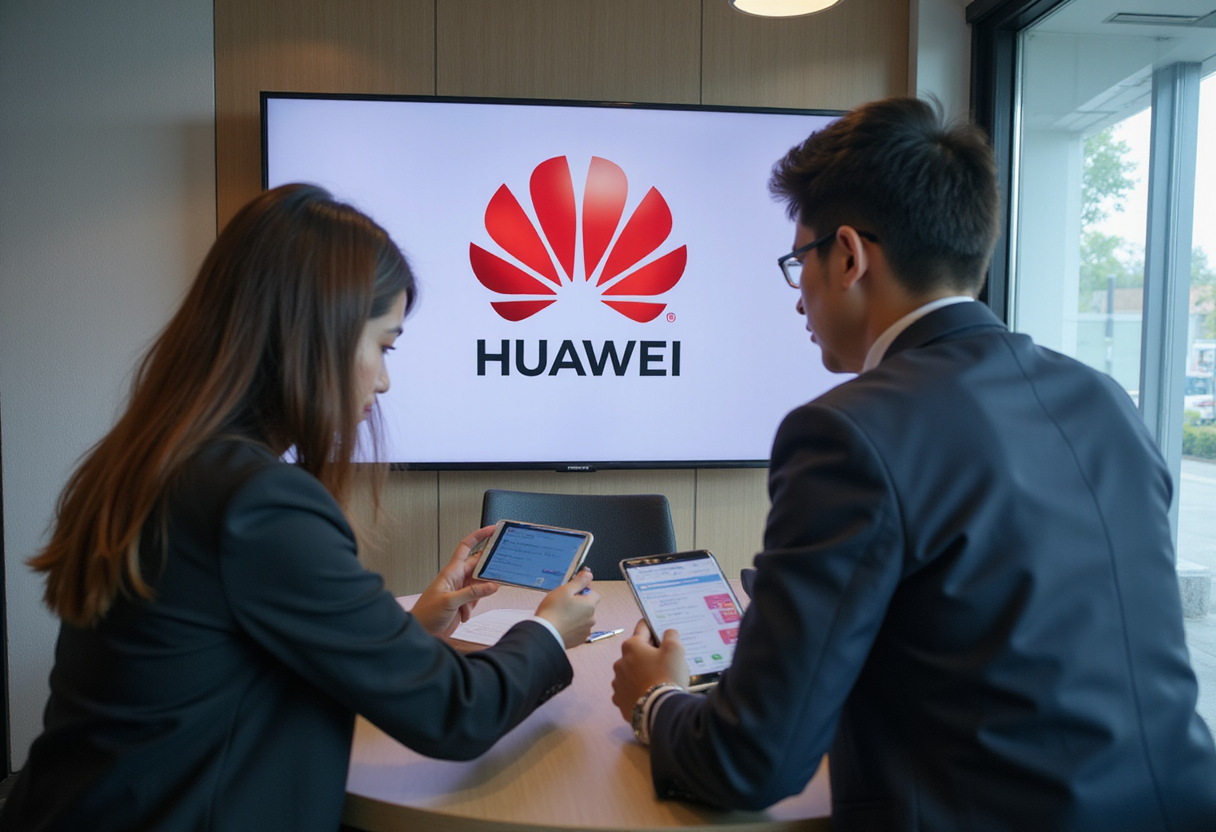
Cambodia's CellCard will invest about US$300 million with Huawei to upgrade 5G, gigabit fibre, data centres and AI cloud infrastructure over the next few years.
 Vendors & Equipment
Why it matters
- CellCard signed an MoU with Huawei worth approximately US$300 million over several years.
- The deal covers 5G/4G expansion, DWDM and XGS-PON fibre up to 1 Gbps in Phnom Penh, Fusion Module 2000 data centres and MaaS AI cloud.
- CellCard CEO Manu Rajan said the investment modernises the entire technology system, from home fibre to AI cloud.
- RGC chairman Kith Meng said CellCard has invested about US$5.6 billion in Cambodia's digital ecosystem since 1996.
The story
Cambodian operator CamGSM, which trades as CellCard, will invest roughly US$300 million with Huawei over the next few years to modernise its networks and data centre infrastructure. The two companies signed a memorandum of understanding on Monday covering radio access, fibre, cloud AI and energy efficiency across CellCard and subsidiaries of its parent, Royal Group of Companies (RGC).
The scale of the commitment is significant for a market the size of Cambodia. RGC chairman and CEO Kith Meng said CellCard has invested approximately US$5.6 billion in Cambodia's digital telecoms and IT ecosystem since launching operations in 1996.
What does the deal cover?
The MoU spans several technology layers:
- 5G and 4G expansion in key provinces, using Huawei's MetaAAU solutions, which CellCard says enhance capacity and coverage while cutting energy consumption.
- Cloud AI infrastructure and model-as-a-service (MaaS) capabilities, intended as a foundation for applications serving businesses, government, education and digital entrepreneurs.
- Data centre modernisation based on Huawei's Fusion Module 2000 modular data centre solution, aimed at reliability, security and support for future cloud, digital platform and AI workloads.
- Fibre upgrades, covering the core DWDM network and FTTH infrastructure in Phnom Penh.
- Home broadband, where CellCard will deploy Huawei's XGS-PON technology capable of speeds up to 1 Gbps, combined with Huawei's WiFi Sense solution.
- Customer experience and energy, through Huawei's AI-powered SmartCare platform and its PowerStar energy-saving platform.
CEO Manu Rajan framed the project as more than a network refresh. "Our additional investment of US$300 million will modernize the entire technology system, the fibre optic internet network in people's homes, the data centre, the AI cloud infrastructure and the systems we use to manage the customer experience," he said in a statement.
Commercial substance or vendor showcase?
Some elements of the agreement remain at MoU level, and CellCard did not disclose deployment timelines, province counts or subscriber targets. The stated benefits of MetaAAU, SmartCare and PowerStar — capacity gains, proactive service improvement, lower electricity bills — come from the operator and vendor rather than independent measurement.
The commercial core, however, is concrete. A gigabit XGS-PON rollout in Phnom Penh gives CellCard a fixed broadband product comparable to what larger Southeast Asian operators already sell in capital cities. The data centre and MaaS work also positions RGC's subsidiaries to sell cloud and AI services beyond connectivity.
Wang Xu, president of Huawei Southeast Asia, cast the deal in broader terms. "By combining innovation across 5G technology, optical networks, cloud data centres, artificial intelligence, customer experience and network technologies, we look forward to supporting CellCard along with RGC's other subsidiaries in building a comprehensive and future-ready digital infrastructure," he said.
For Huawei, the agreement extends a long-standing vendor relationship in a market where it already supplies CellCard's radio and transport networks. Rajan said the multi-year project will not only modernise the network but establish a digital platform on which to build future services.
With the US$300 million committed over several years, the pace of rollout in Phnom Penh's fibre market and the provinces selected for 5G expansion will show how quickly the MoU turns into deployed infrastructure.
Also reported
Original: developingtelecoms.com
More from Elena Vasquez
Show full bio
Market editor covering companies, deals and strategy in Carrier business, 5G and 6G, fiber and broadband at Telecom Gazette.
248 articles