5G & 6G5g FwaAsia PacificFixed Wireless AccessBroadband
APAC 5G FWA forecast sees 50 million subscriptions by 2031
GlobalData forecasts APAC fixed wireless subscriptions will rise from 28 million in 2026 to 50 million in 2031, driven by 5G coverage and demand beyond fibre.
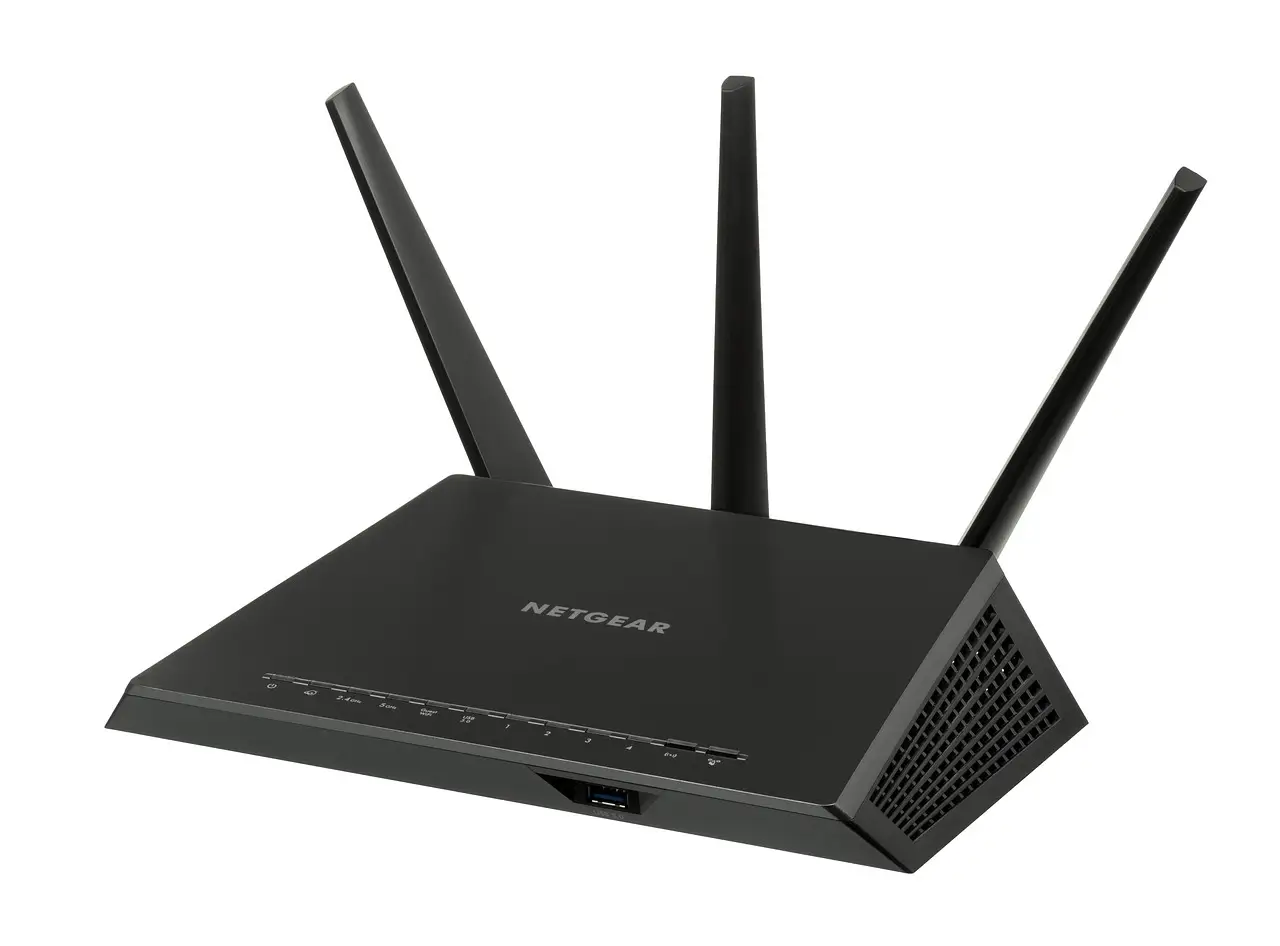 5G & 6G
Why it matters
- APAC FWA subscriptions are forecast to rise from 28 million in 2026 to 50 million in 2031.
- GlobalData projects compound annual growth of 12.5% between 2026 and 2031.
- The forecast implies 22 million subscription additions over five years.
- U Mobile and MyRepublic Indonesia are expanding 5G FWA offerings.
- GlobalData expects considerable 5G FWA growth in India, New Zealand and Hong Kong.
The story
By Amara Osei
GlobalData forecasts Asia-Pacific fixed wireless access (FWA) subscriptions will grow at a compound annual rate of 12.5% from 2026 through 2031, rising from 28 million to 50 million. That is a gain of 22 million subscriptions, as operators use 5G to extend broadband access beyond fibre networks.
Why does 5G FWA fit the market?
GlobalData attributes the forecast to demand for high-speed home broadband and limited fixed infrastructure in rural and underserved areas. Wider 5G availability and operators’ expansion of wireless broadband services also support the expected growth.
FWA lets operators provide broadband without running fibre connections to individual homes. That offers an alternative where fixed infrastructure is limited or expensive to deploy. The proposition is simple: use 5G to serve individual premises rather than build fibre to each one.
GlobalData telecom analyst Kantipudi Pradeepthi said: "5G would be an important driver of FWA adoption, allowing operators to provide broadband without running fibre connections to individual homes." His assessment is straightforward: operators can put 5G investments to work in home broadband, even where laying fibre would be difficult.
Where are operators expanding FWA?
Malaysia’s U Mobile and Indonesia’s MyRepublic Indonesia are among the operators expanding their FWA offerings. Both use 5G to provide high-speed home broadband and extend coverage into new markets. That activity gives the forecast some commercial grounding, although the 50 million endpoint remains a projection rather than a reported market total.
GlobalData expects considerable growth in 5G-based FWA in India, New Zealand and Hong Kong as operators invest in network infrastructure. Thailand’s AIS and New Zealand’s One NZ already use FWA to provide broadband to homes and small businesses.
GlobalData’s named examples cover consumer and small-business propositions across the region. It did not provide operator-level subscriber totals or coverage figures, so the activity supports the forecast’s direction without validating its full scale. The remaining arithmetic belongs to the rollout.
What will sell the service?
Pradeepthi said operators could attract customers through flexible speed tiers, suitable data allowances, plug-and-play equipment and bundled digital services. These levers turn a network technology into a retail proposition, which is where the commercial work usually begins.
The target customers need reliable connectivity but may lack access to fibre broadband. Plug-and-play equipment reduces the practical work involved in getting started, while flexible tiers and data allowances let operators match different household and business needs. Bundled digital services can then place broadband within a wider package rather than selling connectivity alone.
GlobalData identifies the main household applications as:
- streaming;
- remote work;
- online education; and
- connected devices.
For small and medium-sized businesses, it lists:
- cloud applications;
- digital payments; and
- video conferencing.
These are familiar connectivity demands rather than speculative uses of a new interface. That breadth helps explain why FWA can attract both households and businesses. A home connection and a shop’s cloud connection require different commercial terms, but both can use the same 5G-based delivery model.
GlobalData does not assume one package fits every customer. It instead points to flexible tiers, suitable allowances, simple equipment and bundles, with fibre remaining available where operators can build it.
Will FWA replace fibre?
GlobalData expects FWA to complement fibre, not replace it. The technology gives operators another way to monetise 5G investments while extending connectivity to households and businesses that fixed networks find harder to reach. Fibre remains part of the mix; FWA widens the route to market.
GlobalData’s forecast contains no regulatory deadline or standards milestone; its stated milestones are commercial. Wider 5G availability, continued network investment and the conversion of coverage into subscriptions will determine the outcome more than any single policy event.
Through 2031, operators must turn broader 5G availability into 22 million net subscription additions. The test is straightforward. FWA can widen the broadband market without displacing fibre, provided operators make the service easy to buy and install.
Also reported
Source: Developing Telecoms
More from Amara Osei
Show full bio
News editor covering technology and product news in Carrier business, 5G and 6G, fiber and broadband at Telecom Gazette.
438 articles