5G & 6G5g SidelinkMedical IotDevice To Device CommunicationMedical Devices
5G Sidelink Targets Direct Links for Medical Devices
5G sidelink lets compatible medical devices exchange local data directly, but chip support, radio resources, security and clinical validation determine whether it earns a place.
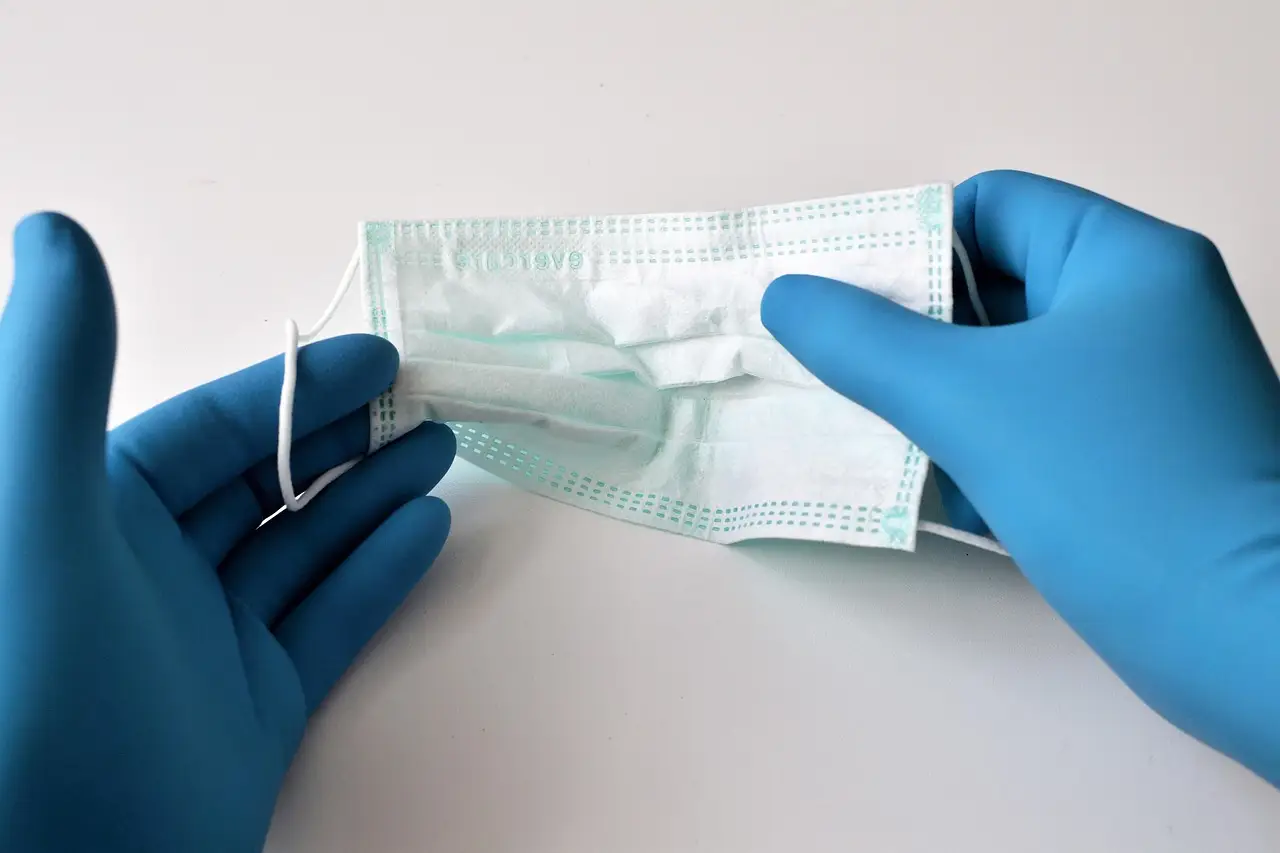 5G & 6G
Why it matters
- 3GPP introduced 5G Sidelink in Release 16, with an initial focus on vehicle-to-everything communications.
- Sidelink uses the PC5 radio interface for direct device-to-device communication.
- The global medical devices market is calculated at $623.37 billion in 2026, up from $586.20 billion in 2025.
- The market is projected to reach $1,083.96 billion by 2035, a 6.34% CAGR from 2026 to 2035.
- Five adjacent product markets include sidelink modules, low-power electronics, antennas, secure gateways and validation tools.
The story
By Amara Osei
The global medical devices market is calculated at $623.37 billion in 2026, rising from $586.20 billion in 2025, and projected to reach $1,083.96 billion by 2035, a 6.34% CAGR from 2026 to 2035.
Medical devices already use wireless networks to exchange patient data, coordinate monitoring and support clinical decisions.
The forecast offers a commercial backdrop for direct device-to-device links in medical equipment. For the medical Internet of Things, or IoMT, 5G Sidelink can remove selected network detours, but only where radios, software and clinical workflows line up. One button does not press so neatly.
What does 5G sidelink change?
5G Sidelink, also called New Radio Sidelink, was standardized by 3GPP in Release 16, initially with vehicle-to-everything communication in mind. Compatible devices can exchange data through the PC5 radio interface without routing each packet through a base station and the wider cellular network.
Depending on configuration, the technology supports one-to-one links, group communication and broadcasts. A wearable sensor could send an alert straight to a nearby monitoring unit rather than make a round trip through a remote server.
The gain is local and conditional. A direct route can remove some network-routing steps and reduce dependence on cellular infrastructure for particular exchanges, but latency still depends on radio scheduling, processing and congestion. It does not guarantee higher reliability or longer battery life.
Not every 5G phone, wearable or medical sensor supports sidelink. Both endpoints need compatible radios, protocol stacks and suitable network or resource configurations. Direct is not the same as independent, a distinction that keeps the engineering ledger honest.
How does a medical device build the link?
A sidelink-enabled medical device needs cellular radio transmission, protocol processing, resource selection and secure data exchange. A typical signal path runs:
- Medical sensors capture motion, temperature or other physiological measurements.
- A microcontroller or application processor filters, formats and prioritizes those measurements.
- A 5G NR modem and baseband processor encode and decode data, manage protocols and process sidelink signals.
- An RF transceiver converts digital baseband signals into radio-frequency signals, then converts received signals back for processing.
- A power amplifier and RF front end support transmit power and manage filtering, switching and the radio signal path.
- An antenna system radiates and receives over the supported frequency band.
- A receiving device validates and processes information before displaying, storing or forwarding it.
Product designers may combine these functions in a system-on-chip or use separate components. Radio resources still require coordination: a network may configure or allocate them, or devices may select from a configured pool. Direct communication therefore does not always mean operation without any network support.
Where does it fit in medical care?
Wearables can collect physiological measurements and send information to a nearby medical hub or compatible monitoring device. Sidelink offers a direct path for local alerts, reducing cellular dependence for that exchange, although performance still depends on compatibility, radio conditions and response-time needs.
Ambulances and mobile medical teams often work where coverage is inconsistent. Compatible devices could exchange selected local information and coordinate connected equipment, but they would not replace emergency communications or guarantee connectivity during an outage.
Portable monitors and medical gateways could exchange status information without sending every message through a remote server. Suitable application software, access controls and testing remain necessary so devices interpret received data correctly.
Temporary treatment areas, field hospitals and disaster-response sites could link compatible medical terminals through direct wireless links. Group communication and broadcast may suit several devices needing the same information. Clinical deployment first requires reliable device discovery, authentication and resource management.
What does it improve, and what remains?
The case rests on five potential advantages, each with a caveat attached. None guarantees universal performance:
- Direct data exchange, without routing every packet through a base station.
- Potentially lower latency, because a direct path removes some routing steps.
- Reduced network dependence for supported local communications in certain out-of-coverage scenarios.
- One-to-one, group and broadcast communication, depending on configuration.
- Local data handling, so selected interactions need not pass through a remote server.
Conventional cellular links still provide wide-area access to network services, while sidelink serves local device-to-device exchanges. For conventional links, coverage, congestion and routing affect performance; sidelink instead requires compatible endpoints, a supported configuration and suitable radio conditions.
Medical systems can use both: sidelink between nearby equipment and conventional cellular connectivity for hospital platforms or remote monitoring. The two are complements, not substitutes.
What must engineers prove?
- Hardware compatibility: Chipsets, RF front ends and antennas must support the required sidelink features; ordinary 5G connectivity is not enough.
- Power consumption: Engineers must tune transmit power, duty cycles, processor activity and radio wake-up behavior, especially for battery-powered devices.
- Radio interference: Walls, human tissue, device placement and competing transmissions can degrade signals, making antenna design and RF testing essential.
- Resource allocation: Performance can shift with network configuration, device density and interference, so devices must coordinate resources efficiently.
- Security and privacy: Direct links still require authentication, appropriate encryption, key management and protection against unauthorized transmissions.
- Clinical reliability: Tests must measure latency, packet delivery, connection recovery and failure under realistic conditions. Sidelink should not be the sole safety mechanism unless the complete system has been validated for that purpose.
Where are the commercial openings?
Medical-electronics suppliers do not need to build complete 5G devices to participate. Five adjacent markets matter:
- 5G sidelink and cellular IoT modules for medical and emergency-response equipment.
- Low-power cellular electronics that optimize RF circuitry, processor scheduling and radio-state management.
- Compact, body-aware medical antennas for portable equipment.
- Embedded communication software and secure medical gateways that authenticate equipment, manage links between local devices and hospital networks and support direct integration.
- Testing and validation tools for latency, packet delivery, interference tolerance, connection recovery and power consumption.
These opportunities depend on commercial chipset availability, supported standards, regulatory requirements and demonstrated clinical value. Medical applications also need evidence that the communication system meets their safety and performance requirements.
The next rollout therefore turns on available chips, network configuration, regulatory requirements and clinical validation, not the 2035 market projection. Until then, sidelink is a credible local link, not a clinical safety system in a wrapper.
Also reported
Original: towardshealthcare.com
More from Amara Osei
Show full bio
News editor covering technology and product news in Carrier business, 5G and 6G, fiber and broadband at Telecom Gazette.
438 articles