Networks & InfrastructureWi Fi 8Ieee 802 11bnWi Fi RoutersMesh Networking
Wi-Fi 8 Targets Reliability, Not Speed — and Early Routers Won't Help Yet
Wi-Fi 8 targets 25% gains in throughput, packet loss and latency for weak signals, but final approval lands in 2028 and today's draft-spec routers need matching client devices to deliver.
 Networks & Infrastructure
Why it matters
- Wi-Fi 8 (802.11bn, 'Ultra High Reliability') targets 25% better weak-signal throughput, 25% fewer dropped packets and 25% lower latency.
- Final approval of the standard is expected in 2028.
- Wi-Fi 7, released in 2024, theoretically caps at about 23 Gbps — a figure users will not see in practice.
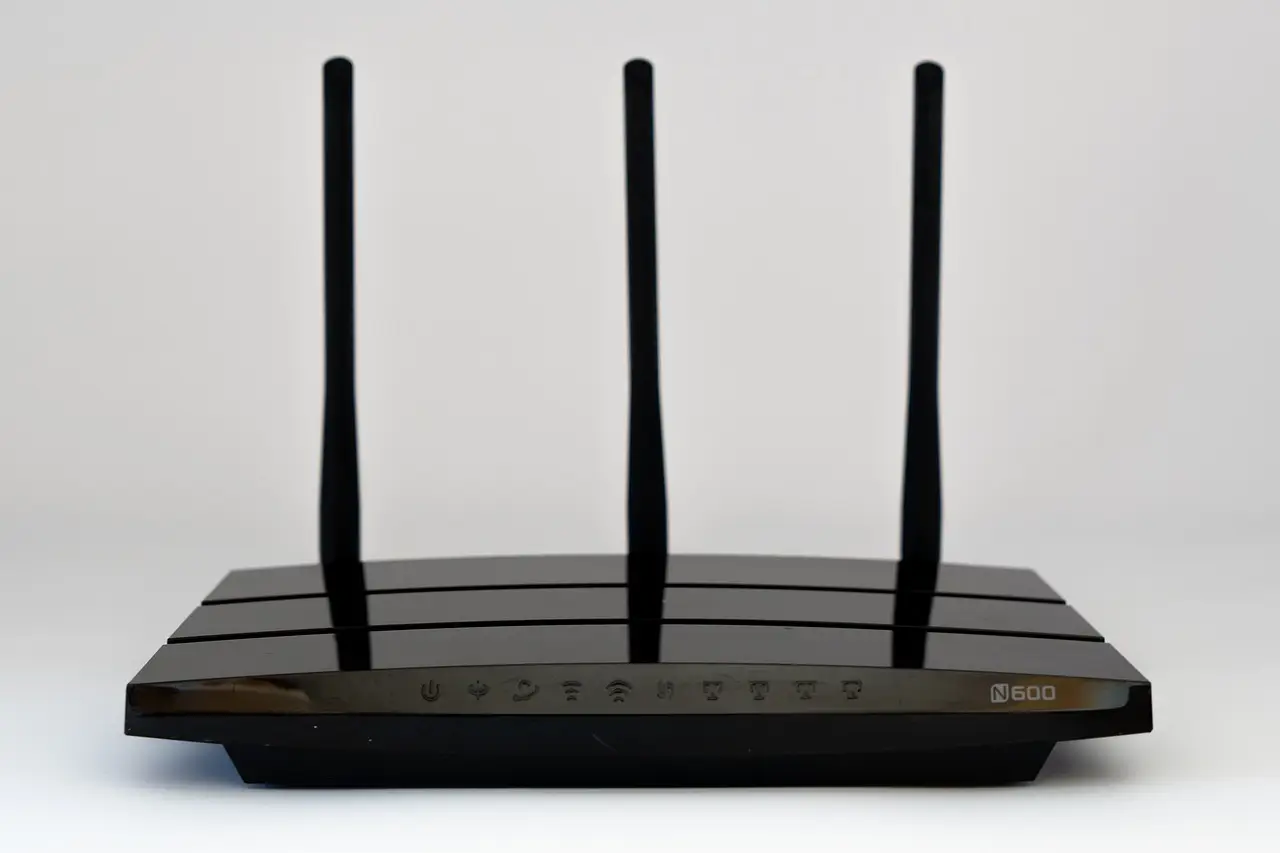
- ASUS and TP-Link have announced Wi-Fi 8 routers built on the draft specification.
- Upgrades require both router and client device to support Wi-Fi 8; draft-spec hardware may not match the final standard.
The story
Wi-Fi 8 promises three gains of 25 percent each — better throughput on weak signals, fewer dropped packets and lower latency — but the standard will not receive final approval until 2028, and routers sold today against the draft spec cannot deliver those numbers on their own.
That is the central tension in the next generation of home wireless. The technology, formally known as IEEE 802.11bn and nicknamed "Ultra High Reliability," is still in development. Yet ASUS and TP-Link have already announced their first Wi-Fi 8 routers based on the draft specification, with a TP-Link model arriving soon in some regions.
Why fix reliability instead of speed?
Speed is no longer the binding constraint. Wi-Fi 7, released in 2024, caps out at roughly 23 Gbps in theory — a figure virtually nobody will see outside a laboratory. Most home internet plans deliver only a few hundred megabits per second, which even older Wi-Fi 6 routers handle comfortably. A 2 Gbps fiber line is largely within Wi-Fi 7's reach, particularly close to the router.
The real pain points are elsewhere. Wi-Fi 7 deployments have shown poor stability, weak wall penetration and relatively short range. Wi-Fi 8 shifts the engineering effort toward the moments when connections fail: a dead zone at one end of the house, an apartment building where 20 networks compete for airtime, or a mesh system that stumbles when a device hands off between access points while walking between rooms.
How does coordinated access point scheduling work?
The main technical lever is coordination among access points. Today's routers share channels by taking turns, and not always efficiently. Wi-Fi 8 refines this by letting compatible access points coordinate when each one transmits. The benefit should be most visible in mesh systems, where multiple nodes already blanket a home.
The headline numbers, if achieved: 25 percent better throughput for weak signals, 25 percent fewer dropped packets — especially during movement between access points — and 25 percent lower latency at the shakiest moments. These are design targets of the standard, not measured results from shipping hardware.
Can you buy Wi-Fi 8 today?
You can, and that is precisely the problem. An ASUS gaming router or mesh system built on Wi-Fi 8 is on sale now, and TP-Link hardware is coming. But every claimed upgrade requires both ends of the link — the router and the phone, laptop or tablet — to support the new features. Current client devices largely do not.
Buying one now is an investment in a future payoff, not an immediate one, whatever the marketing suggests. There is an additional caveat the box will not mention: because these first devices follow a draft specification, there is no guarantee they will support everything in the final 2028 standard.
Eventually Wi-Fi 8 should be worthwhile, particularly for people in congested apartment buildings or running mesh networks. Realistically, that benefit is one to two years away. In the meantime, Wi-Fi 7 remains a sound choice for a new router — and relocating an existing router to a central spot in the home will likely do more for connection quality than any new standard, draft or final.
Also reported
Source: engadget.com
More from Rebecca Stone
Show full bio
Correspondent covering technology and product news in Carrier business, 5G and 6G, fiber and broadband at Telecom Gazette.
500 articles