Fiber & BroadbandFiber BroadbandRural BroadbandBead ProgramWecom Fiber
Wecom Fiber, Arizona Commerce Authority Cut Ribbon on Parker Broadband
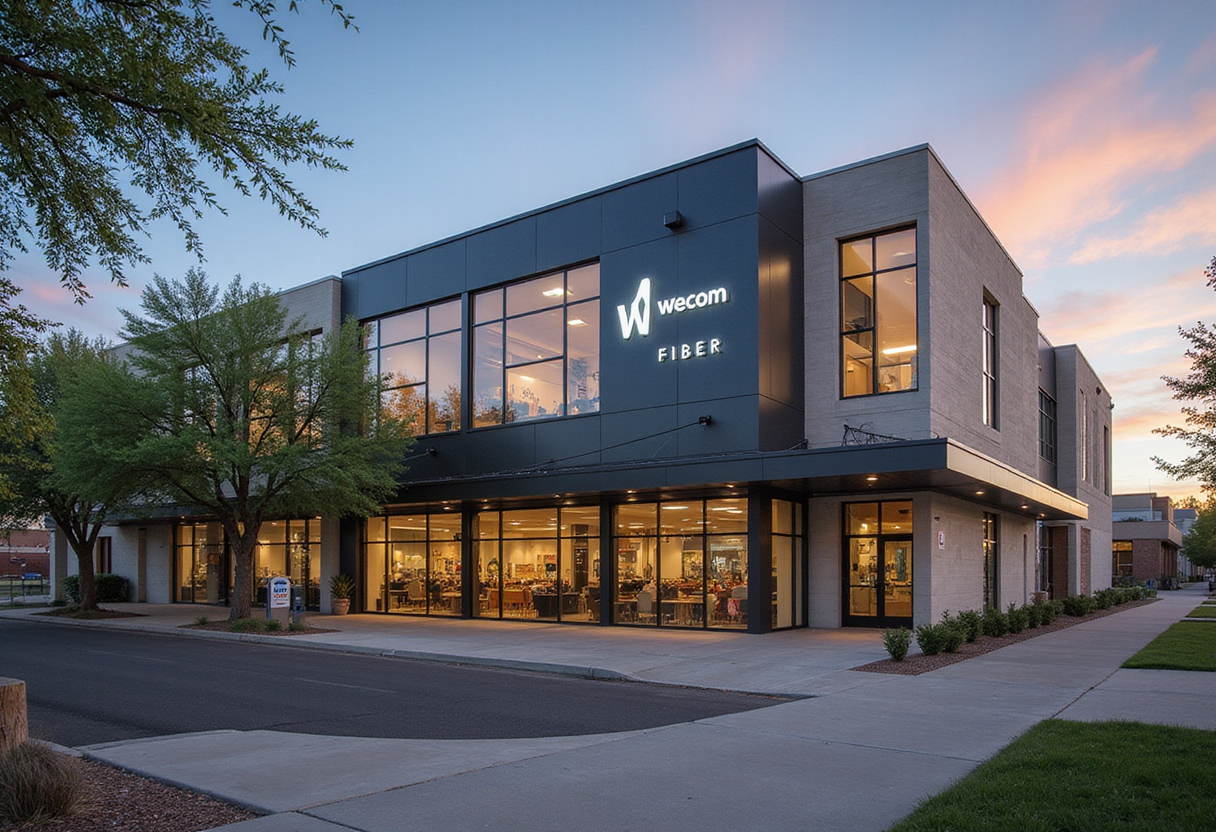
Wecom Fiber and the Arizona Commerce Authority marked the completion of a broadband project in the Town of Parker, Arizona, with a ribbon-cutting ceremony attended by local partners and state officials.
 Fiber & Broadband
Why it matters
- Wecom Fiber led the broadband buildout in the Town of Parker, Arizona
- The Arizona Commerce Authority and local partners participated in the ribbon-cutting ceremony
- The Town of Parker sits in La Paz County on the Colorado River, adjacent to the Colorado River Indian Tribes reservation
- The deployment uses fiber-to-the-premises technology to deliver symmetric upload and download speeds
- The announcement did not specify the project's funding source or total project cost
The story
Wecom Fiber, the Arizona Commerce Authority and local partners marked the completion of a broadband project in the Town of Parker, Arizona, with a ribbon-cutting ceremony. The event drew the regional operator, the state's lead economic development agency and local stakeholders to the small community on the Colorado River.
What does fiber mean for Parker?
Parker is a small town in La Paz County, on the Arizona-California border. The new network means a move beyond the DSL and satellite options that have defined residential broadband in rural western Arizona for years. Local merchants along the Parker Strip, a tourism corridor that draws winter visitors, have worked around spotty connectivity for years. Fiber-grade service promises symmetric speeds that support point-of-sale, reservation systems and the back-office work visitors now expect.
Wecom Fiber has built a business around reaching communities like Parker. The company deploys fiber-to-the-premises networks in towns and unincorporated areas that the national incumbents have passed over. Parker's network is the latest entry in a portfolio of completed projects across rural Arizona.
The Arizona Commerce Authority, the state's economic development arm, has treated broadband as a workforce and business attraction tool for years. The agency's involvement signals state-level coordination, whether through direct funding, technical support or alignment with local permitting. The announcement did not specify the funding mix.
Local partners in the announcement most likely include the Town of Parker government and, given the geography, county or tribal stakeholders. The town sits adjacent to the Colorado River Indian Tribes reservation, a jurisdiction that has historically complicated federal broadband spending. Cross-border coordination between the town, the county, the tribes and the state is rarely straightforward. That makes the ribbon cutting a small signal that the work was done.
What's next for rural Arizona?
The ceremony marks a real transition. In rural broadband, ribbon cuttings typically mean either the end of construction or the moment service goes live. Either way, customers can sign up, the operator can begin recovering build costs through subscriptions, and the network's reliability gets tested in the field. The harder work for Wecom Fiber begins after the photo op.
The Parker project lands in a federal funding moment. The Broadband Equity, Access and Deployment (BEAD) program, the largest single federal broadband investment to date, is awarding subgrants to states, with Arizona among the recipients. Subgrant awards in Arizona are expected to direct significant federal dollars to projects targeting unserved and underserved census blocks over the coming years. Parker's build may or may not have drawn on that pipeline; the announcement did not say.
State agencies and regional carriers are increasingly the ones getting fiber into the ground in places the national providers have declined to serve. Parker's ribbon cutting adds one more data point to a quiet but consistent shift in how rural broadband arrives. The model is not a national carrier rollout. It is a state-backed, locally coordinated build by a regional operator willing to do the trenching.
The next twelve months will likely bring additional ribbon cuttings across Arizona as BEAD-funded projects move from award to construction. For Parker, the work is already done. The harder test is whether the network holds up under subscriber demand, and whether the monthly bill is something local residents and businesses decide is worth paying.
Also reported
Source: Google News: fiber broadband
More from Elena Vasquez
Show full bio
Market editor covering companies, deals and strategy in Carrier business, 5G and 6G, fiber and broadband at Telecom Gazette.
287 articles