Networks & InfrastructureVodafone UkraineSolar PowerBase StationsEnergy Resilience
Vodafone Ukraine starts Phase 2 of 500-site solar rollout
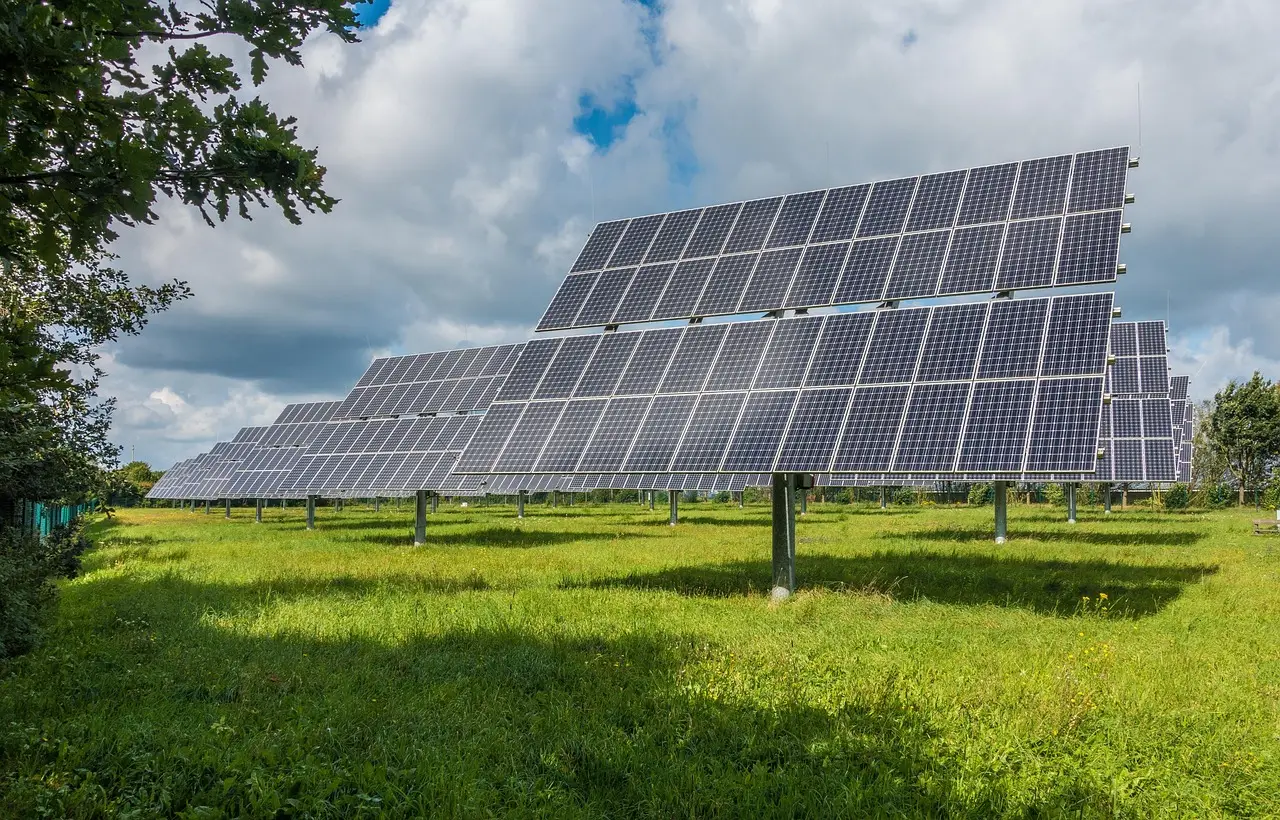
Vodafone Ukraine has launched phase two of its plan to fit 500 base stations with solar power, after the first 100 sites generated 110,000 kWh in their first summer.
 Networks & Infrastructure
Why it matters
- Phase 1 completed in June: 100 base stations across 14 regions, 360 kW total capacity (~3.6 kW per site)
- First-phase sites generated over 110,000 kWh in their first summer season
- Phase 1 projected at ~380 MWh per year, covering up to 30% of the sites' annual electricity consumption
- Phase 2 launched last week, covering the remaining 400 sites
- Project aims to strengthen network energy resilience amid attacks on Ukraine's energy infrastructure
The story
Vodafone Ukraine has begun the second phase of a programme that will put solar power on 500 base station sites, after the first 100 installations generated more than 110,000 kWh during their opening summer season.
The operator completed the first phase this past June, fitting solar systems at 100 base stations across 14 regions of Ukraine. Total installed capacity reached 360 kW, averaging roughly 3.6 kW per site. The second phase, which kicked off last week, covers the remaining 400 sites.
What did the first summer prove?
The numbers so far are modest but functional. Vodafone Ukraine projects the first-phase sites will generate around 380 MWh per year, enough to cover up to 30% of annual electricity consumption at those base stations.
Yevhenii Frunza, CTO at Vodafone Ukraine, said the initial summer served as a live test of the equipment. At times of peak solar generation, some base stations ran without drawing any electricity from the external grid, he said in a statement.
"The first summer was an opportunity to test the technology under real-world conditions," Frunza said. But he framed the decisive gain as operational rather than off-grid independence.
"The key benefit for us is systemic: solar power reduces grid consumption and helps preserve battery charge, increasing the power reserve available during outages," he added.
Why energy resilience, not carbon, drives this project
The context separates this rollout from the sustainability programmes common among European operators. Ukraine's energy infrastructure has faced repeated attacks since Russia's full-scale invasion, and grid outages have become a routine operational hazard for telecom networks.
That reality puts battery reserve time, rather than emissions reduction, at the centre of the business case. Every kilowatt-hour a site draws from its own panels is a kilowatt-hour the battery bank does not have to supply when the grid goes down. For a mobile network, reserve power directly translates into how long subscribers keep service during blackouts.
The scale also reflects that priority. At an average of 3.6 kW per site, the installations are auxiliary power sources rather than full replacements for grid supply — comparable to a small rooftop residential array supporting each station.
What comes next?
With the second phase under way, 400 more sites across the country will receive solar capacity over the coming months. Vodafone Ukraine has not detailed a completion date for the full 500-site programme, but the first phase's trajectory — from installation in June to verified summer output by autumn — suggests the operator is moving quickly.
If the remaining sites match first-phase performance, the programme would add roughly 1.9 GWh of annual generation across the network, with the immediate payoff measured in longer uptime during outages rather than lower energy bills alone.
Also reported
Source: Developing Telecoms
More from Elena Vasquez
Show full bio
Market editor covering companies, deals and strategy in Carrier business, 5G and 6G, fiber and broadband at Telecom Gazette.
419 articles