5G & 6GViettel5g TransportNetwork AutomationSrt100g
Viettel cuts 5G transmission recovery time from 180 seconds to 0.2
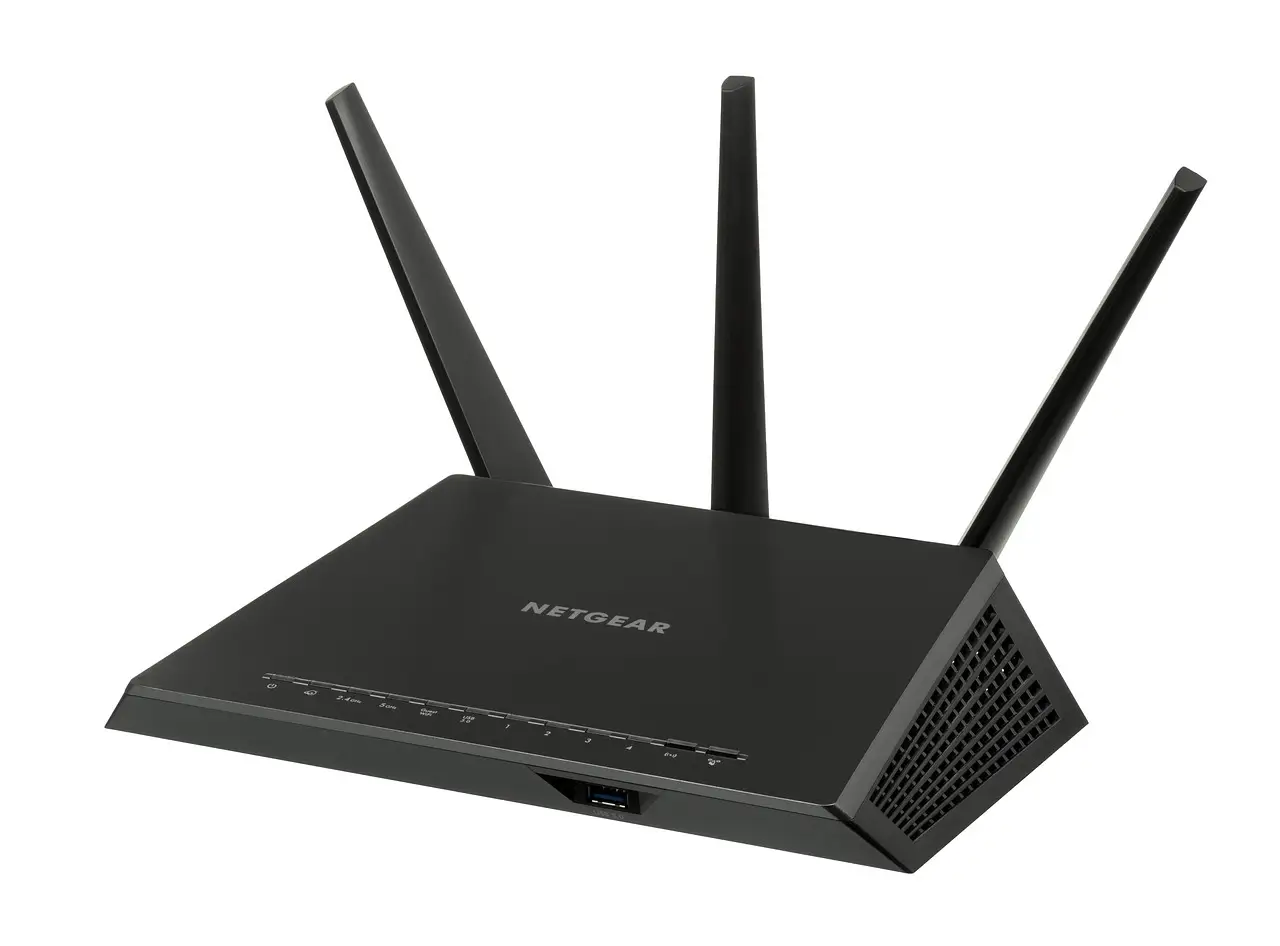
Viettel cut 5G transmission recovery from ~180 seconds to 0.2–1.5 seconds using automated control on its homegrown SRT100G router, tested across 30,000+ scenarios.
 5G & 6G
Why it matters
- Viettel reduced service recovery time from ~180 seconds to 0.2–1.5 seconds in test scenarios.
- The SRT100G Site Router was validated with more than 30,000 test scenarios resembling a live network.
- Continuous monitoring lifted collected data volumes about 10x versus traditional polling methods.
- Centralized monitoring cut manual network interventions by approximately 50%.
- The project is recommended for consideration for the 7th Ho Chi Minh Prize for Science and Technology.
The story
Viettel has cut service recovery time on its 5G transmission network from roughly 180 seconds to between 0.2 and 1.5 seconds in test scenarios. The gain comes from automated monitoring and control software running on the Vietnamese group's own Site Router 100G (SRT100G) equipment, validated through a test environment of more than 30,000 scenarios.
The work belongs to the project "Technology platform and design, manufacturing of 5G telecommunications network infrastructure for dual-use purposes for national digital infrastructure and defense and security," led by Viettel High Tech Corporation, a subsidiary of the Vietnam Military Telecommunications Group. Vietnam's State Council has recommended the project for consideration for the 7th Ho Chi Minh Prize for Science and Technology.
Why transmission recovery matters
In transport networks, one failure can hit many services at once. As 5G carries more economic and social activity, equipment vendors face a simple demand: detect the fault fast, find an alternate path, and restore traffic without disturbing connections that still work. Viettel says it designed recovery into the SRT100G from the equipment and control-software stages rather than bolting it on later.
To verify the claims, Viettel built a testing environment it says closely resembles a live telecom network. The 30,000-plus scenarios covered normal operation, connection errors, hardware failures, packet loss and traffic spikes. The team used results to find limitations and adjust the design before deployment — and to reduce reliance on external suppliers' testing procedures.
What changed in the monitoring?
Old-school network monitoring worked on a polling cycle. The management system sent check requests to devices and waited for replies, with intervals from a few seconds to several minutes. Short fluctuations slipped through.
Viettel flipped the model. Devices now push information continuously to the monitoring system, lifting collected monitoring data volumes roughly tenfold versus traditional methods. The system detects and alerts on anomalies with millisecond latency, and a centralized control function can re-route transmission paths in about 0.1 seconds when a failure hits or traffic needs adjusting.
How fast is recovery, exactly?
The headline numbers break down by failure type. In test scenarios:
- Single connection failure: many services recovered in no more than 200 milliseconds
- Equipment failure or multiple connection failures: most services recovered within 500 milliseconds
- Television services in complex incident scenarios: recovery times up to 1.5 seconds
Measured against the roughly 180-second reference of traditional transmission systems, that's a shift from waiting minutes to coming back in fractions of a second. Viettel also reports that centralized monitoring and control cut manual interventions during network operation by about 50%, freeing operations staff to focus on service-quality analysis and complex issues instead of routine checks.
Beyond the lab
These are test-scenario figures, not audited results from a commercial network, so the usual caution about vendor benchmarks applies. Still, the engineering direction is clear, and the applications stretch past mobile backhaul. Viettel points to data center connectivity, cloud computing systems and other high-reliability information networks as candidate use cases.
There's also a sovereignty angle. Because the domestic team researched the monitoring and restoration technology itself, Viettel says it can refine software and verify new requirements directly when they arise, without waiting on foreign suppliers.
The dual-use framing matters here. The project explicitly targets national defense and security information systems, where connectivity continuity is a hard requirement. Whether the Ho Chi Minh Prize materializes or not, Viettel has signaled where this goes next: wider deployment of homegrown transport gear across Vietnam's digital infrastructure, with recovery times measured in milliseconds rather than minutes.
Also reported
Source: Google News: 5G network
More from Amara Osei
Show full bio
News editor covering technology and product news in Carrier business, 5G and 6G, fiber and broadband at Telecom Gazette.
474 articles